 EN
EN

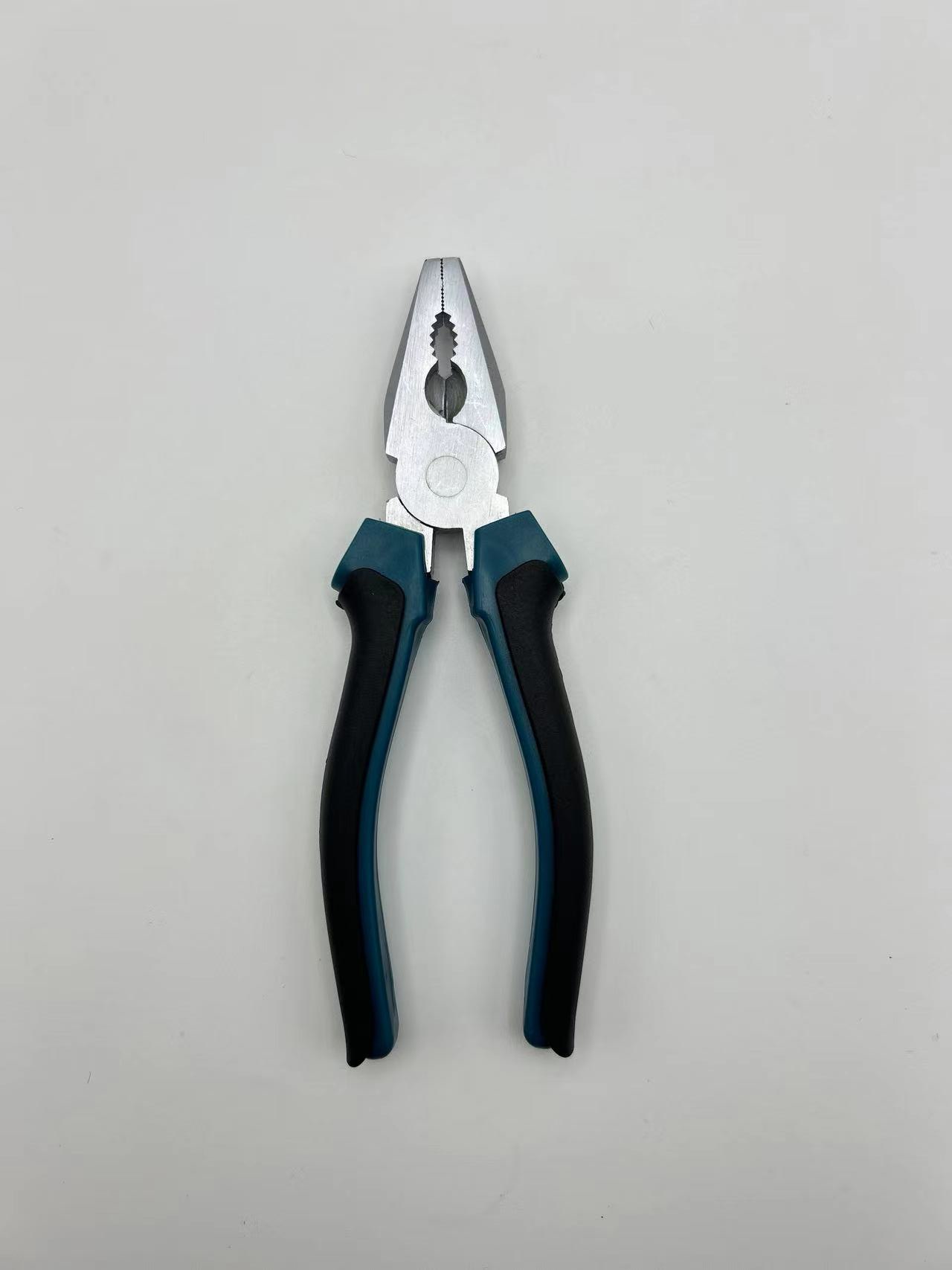
Selecting the right wire cutter for electrical installations is never cosmetic. Panel builders, electricians, and MRO buyers need a clean cut because a crushed conductor or nicked jacket hides a fault until failure. A durable cutter protects the wire and the worker, so buyers should weigh material, geometry, and certification before a bulk order.
Start with the wire type and insulation
A dependable selection starts with the conductor type it must sever. Copper building wire, stranded control cable, and hardened steel respond differently to the same edge, so the logic begins at the wire, not the catalog photo.
Soft copper and stranded wire versus hard steel
A durable wire cutter must match the conductor it meets. Soft copper and fine stranded wire cut cleanly under modest force, while hardened steel wire, music wire, and galvanized binding demand far higher edge pressure and a tougher cutting edge. When a tool rated only for soft copper meets a hard wire, the edge rolls or chips instead of slicing. Specifiers should confirm the rated tensile load range and choose a drop-forged body that resists the shock of repeated hard cuts without cracking at the pivot joint.
A regional distributor supplying panel shops learned this the hard way. After low-cost cutters returned with rolled edges on THHN building wire, the buyer switched to high-pressure forged chrome-vanadium models with induction-hardened jaws. Rework on harnesses dropped, and electricians stopped discarding cutters mid-job. The lesson: matching the tool to the wire prevents the costliest failure mode in electrical assembly and protects margin on every box shipped.
Insulation compatibility and jacket clearance
The selected wire cutter must clear the jacket without crushing the core. Conductors arrive sheathed in PVC, XLPE, or nylon jackets of varying thickness and hardness. A narrow jaw opening forces the user to twist and skin the insulation, stressing both. Proper insulation compatibility means the jaw gap and cutting-edge relief clear the jacket without compressing the conductor, and a closer head profile reduces the risk of severing a neighbor in a crowded junction box.
Choose the right cutting profile: flush versus diagonal
Both profiles share one goal: a wire cutter that severs cleanly without leaving a hazard. The choice between them follows the workspace and the acceptable stub length, not personal habit.
Diagonal cutters for general electrical trimming
This wire cutter style reaches tight panel spaces and trims close to a terminal. Diagonal cutters use angled jaws that slice wire at the tip, suiting branch circuit conductors, control wiring, and cable ties. A 6-inch or 8-inch diagonal profile balances reach and leverage for most panel work. The trade-off is a slightly proud stub rather than a flat end, which is acceptable on terminated runs.
Flush cutters for PCB and fine harness work
Flush cutters leave a flat, burr-free end because one jaw meets the work surface. They suit PCB assembly and fine harness work where a protruding stub could short an enclosure. The flat face protects adjacent components. Because the faces meet fully, flush tools concentrate force on the edge and wear faster on hard wire, so they belong in the electronics bay, not on the hardened steel line.
Demand a hardened, durable cutting edge
The edge of every tool decides its service life and the quality of the cut. Soft, poorly treated steel fails early and damages the conductor, so the durability question is really a metallurgy question.
Induction-hardened CR-V steel and HRC targets
Durability lives in the edge. High-pressure forged chrome-vanadium (CR-V) steel absorbs cutting shock, and induction hardening raises surface hardness to around 58–62 HRC while keeping the body ductile. ISO 5744 covers hardness and test methods for pliers, an objective checkpoint for buyers. When a wire cutter bites hardened steel, only a hardened face survives without rolling. A hardened edge holds its bite through thousands of cuts and keeps the strand bundle intact.
Pivot joint and jaw geometry for clean cuts
Edge hardness means little without a stable pivot joint and correct jaw geometry. A wire cutter with pivot play drifts off-center, so the cut shifts from shear to crush and leaves a deformed tip. Precision-machined pivot and matched jaw faces keep the shearing action centered, lowering the force needed and extending edge life. Procurement should inspect the pivot for play, confirm the jaw faces meet evenly, and reject tools that show gaps or off-center grinding before stocking them for resale or site issue.
Verify insulation rating and handle safety
The handle of a wire cutter can be a life-saving barrier, not just a comfort feature. For energized environments the rating carries the same weight as the jaw steel.
IEC 60900 and 1000 V rated handles
For any live-working or near-live task, the handle matters as much as the jaw. IEC 60900 defines insulated hand tools rated for 1000 V AC live working, with requirements for dielectric strength and marking. NFPA 70E and OSHA 1910.335 set the framework for electrical protective equipment and safe work practices around energized parts. A cutter without a verified 1000 V rating should never enter a live panel. Distributors should demand test certification and keep the rating visible on the tool and the packaging for every unit.
Grip, ergonomics, and anti-slip handling
An ergonomic handle with an anti-slip surface keeps control when hands are gloved, oily, or overhead. Poor grip forces extra effort, raising fatigue and the chance of a slipped cut that nicks a neighbor conductor. A comfortable grip span reduces cumulative strain across a shift. Corrosion resistance on the joint extends service life in damp or coastal sites.
A durable wire cutter for electrical projects earns its place through matched wire capacity, the right cutting profile, a hardened CR-V edge, and a verified 1000 V insulated handle. Buyers who check tensile range, jaw geometry, and IEC 60900 certification avoid the failures that damage conductors and endanger workers. Inspect the pivot, confirm the rating, use the correct profile for the wire, and maintain the edge to keep every cut clean and safe on the job.
Frequently Asked Questions
Question
Which cutting profile fits panel building work?
Answer: A diagonal wire cutter suits most panel-building and branch-circuit trimming because the angled jaw reaches tight spaces and severs conductors close to terminals. Flush cutters belong in electronics and fine harness work where a flat end prevents shorts. Match the profile to the wire and the enclosure before purchase, and keep both types stocked for different tasks.
Question
Why does edge hardness matter for electrical cutting?
Answer: A hardened cutting edge sliced to about 58–62 HRC by induction hardening keeps its bite on copper and resists rolling when it meets harder wire. Soft edges deform, crush strands, and leave burrs that breach insulation. ISO 5744 sets the hardness test method buyers can request. Selecting the right hardness protects conductor integrity across thousands of repetitive cuts.
Question
How should buyers verify insulation rating?
Answer: Request the supplier's IEC 60900 test certificate confirming 1000 V AC rating before stocking insulated tools. NFPA 70E and OSHA 1910.335 govern protective equipment for energized work, so the rating must be documented, not claimed. Inspect handles for cracks, verify the marking, and reject any tool without certification. Documented compliance protects distributors from liability and keeps electricians safe near live parts.
Question
Can a standard cutter be used on live circuits?
Answer: No. A standard, non-insulated cutter offers no dielectric protection and must stay out of live panels. IEC 60900 rated tools with 1000 V handles are required whenever work occurs near energized conductors. NFPA 70E assigns the safe approach and PPE framework. Using an unrated tool on live parts risks arc flash and shock. Stock only certified insulated models for any live-working task.
Question
Which maintenance steps extend cutter life?
Answer: Wipe the joint after cutting dirty or oxidized wire, then apply a light oil to the pivot to block corrosion. Store cutters dry and closed to protect the edge. Inspect the cutting face for chips each shift, and retire any tool with a rolled or gapped edge. Match the tool to the wire to avoid overload. Regular care keeps the hardened edge cutting clean for the long term.