 EN
EN

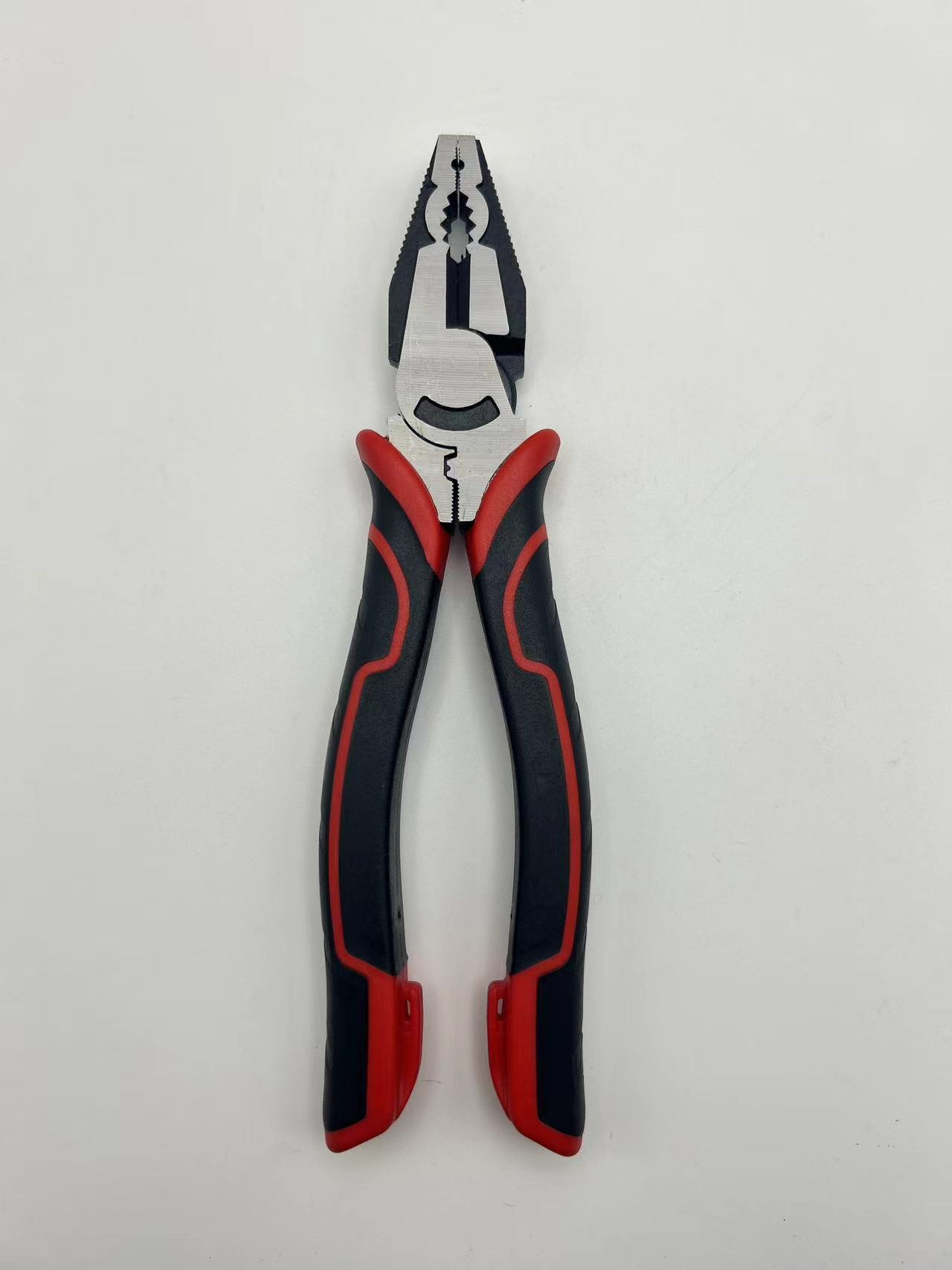
Industrial maintenance teams replaced a batch of cutters every few months until an MRO buyer traced the problem to misuse on hardened spring wire. A reliable industrial wire cutter should hold its edge far longer, so understanding what destroys the blade helps procurement specify the right tool and helps operators avoid costly premature failure on the line. For distributors and MRO buyers, specifying the right construction and then enforcing a simple maintenance routine is the most direct way to control replacement cost across a fleet of hand tools.
Failure modes that destroy cutting edges
Edge chipping from cutting hardened wire
The most common cause of early failure is contacting material the tool was not built for. When a wire cutter meets piano wire, spring steel or hardened locking wire, the local contact stress exceeds the edge hardness and micro‑chips spall from the cutting edge. Jusheng Tools forges its industrial models from high‑pressure chrome‑vanadium (CR‑V) steel with an induction‑hardened edge, but even a hardened blade fractures when the applied load concentrates on a single brittle point instead of shearing cleanly. Specifying the correct grade prevents this mode.
Corrosion weakening the blade surface
Moisture, salt spray and flux residues attack the blade at a molecular level. A wire cutter stored damp or left coated in flux loses its smooth edge first through roughening, then through pitting that reduces the load‑carrying cross‑section. A pitted edge crushes rather than severs. Chrome‑vanadium steel offers good corrosion resistance, yet no alloy survives constant chemical exposure without care. Regular wiping and a light oil film preserve the surface finish and keep the edge geometry intact for the next cut. Field data from panel builders shows most returns trace to storage neglect rather than a manufacturing defect.
Why wear happens at the metallurgical level
Induction‑hardened edge and micro‑structure loss
Induction hardening creates a very hard, thin case on the cutting edge while keeping the body tough. The edge of a wire cutter relies on this case, which resists deformation but stays brittle. Each cut on hard material introduces micro‑cracks; over time these propagate and the case spalls away. When the support beneath fatigues, the edge rolls or chips. ISO 5744 sets hardness expectations for pliers and cutters, and ANSI references similar limits, so buyers should confirm the rated hardness (HRC) matches the wire being cut.
Fatigue cracking under repeated tensile load
Cutting is a cyclic event. Every closure loads the jaw and pivot joint with a tensile load the steel absorbs as elastic strain. When a wire cutter is overloaded on oversized conductors, the strain exceeds the endurance limit and dislocations accumulate in the grain structure, nucleating fatigue cracks near the cutting edge and pivot. A drop‑forged body resists this better than a cast one, but overload shortens the cycle count. Selecting the rated model for the conductor size keeps strain inside the safe envelope and protects the cutting edge from shock. NFPA 70E and OSHA 1910.335 remind users that damaged tools threaten both the work and the worker.
Inspection to detect wear before failure
Visual and hardness (HRC) checks
A daily visual check catches wear before it becomes failure. Before a wire cutter is issued, look for bright nicks, rolled edges, rust streaks and gaps between the blades. A worn edge leaves frayed conductors instead of a clean cut. Field teams can verify rated hardness with a portable tester against the HRC marked on quality tools. IEC 60900 and ISO 5742 describe construction and test methods for hand tools, giving inspectors a benchmark. Removing a questionable tool from service prevents injury and rework.
Pivot joint and jaw alignment verification
Pivot play is a silent killer. A wire cutter with pivot play no longer meets along the full cutting edge, so force concentrates at the tip and the edge chips. Check that the blades close flush and the pivot feels tight with no side‑to‑side slack. Misalignment also signals improper use or impact damage. Tightening the pivot to the maker's spec restores alignment; if the hole is elongated, the tool has reached end of life and should be retired rather than forced back into service.
Maintenance and correct use to extend life
Cleaning, lubrication and corrosion resistance
After each shift, wipe the blade and pivot with a rag, then apply a thin oil film to block moisture. A drop of light oil at the pivot joint keeps the action smooth and limits abrasive wear from grit. Avoid solvents that strip protection, and store cutters in a dry case rather than a damp toolbox. These small habits protect the induction‑hardened edge and the chrome‑vanadium body, extending service life well beyond the first season of use on the bench. A quick wipe takes only seconds yet prevents the slow breakdown that ends a tool early.
Avoiding improper use and overload
Premature wear nearly always involves wrong‑tool use. Cutting bolts, nails, fence wire or hardened stock exceeds the jaw geometry and edge rating of a standard cutter. Diagonal cutters suit soft copper and fine wire; bolt cutters exist for hardened rod. Match the tool to the conductor, keep hands clear of the cutting arc, and never use the blade as a pry bar. Proper selection, inspection and use turn a wire cutter into a dependable, long‑lasting asset on the industrial bench.
Quick wear‑out is rarely random. Edge chipping, corrosion, pivot play and improper use all trace back to load and environment exceeding what the steel and geometry can absorb. Buying a forged chrome‑vanadium tool with an induction‑hardened edge is only half the answer; disciplined inspection and maintenance complete it. A well‑chosen industrial wire cutter, used within its limits and cared for daily, delivers a long, predictable service life and lower total cost of ownership.
Frequently Asked Questions
Question
What are the first signs a cutting edge is wearing out?
Answer: Early wear shows as frayed or crushed conductor ends instead of a clean cut, plus visible nicks and a rolled edge. Rust streaks, bright spots where coating is gone, and a blade gap at closure also signal trouble. Any of these means the tool is losing its cutting geometry and should be pulled for inspection before it damages wire or injures the operator.
Question
Why does cutting hardened wire damage the edge so quickly?
Answer: Hardened spring or piano wire can approach or exceed the blade's own hardness. When the contact stress surpasses the hardened case, micro‑chips spall off instead of wire shearing. The edge was designed for softer conductors, so forcing it on hard stock concentrates load on a brittle point and cracks the induction‑hardened layer fast. Using the correct grade or a dedicated bolt cutter avoids this sudden edge loss.
Question
How often should an industrial cutting tool be inspected?
Answer: A visual check belongs at the start of every shift, focusing on the edge, pivot and blade gap. A hardness and alignment verification suits monthly or pre‑issue checks in high‑volume sites. Tools used on abrasive or corrosive material need more frequent attention. Removing a compromised tool early protects workers and output. Written inspection records help distributors and safety managers track wear trends across a fleet of hand tools.
Question
Can lubrication really extend the service life of a hand tool?
Answer: Yes. A light oil film at the pivot joint reduces friction and the abrasive wear caused by trapped grit, while surface oil blocks moisture that drives corrosion. Lubrication also keeps the action smooth so operators apply steady, aligned force rather than shocking the blade. Combined with dry storage, this simple habit preserves the hardened edge and the chrome‑vanadium body far longer than neglect would allow.
Question
Do insulation‑rated cutters need different care, and which standard applies?
Answer: Insulated models need the same cleaning but demand extra care so the rated wire cutter protection is never compromised—avoid grinding the insulation or exposing live parts. IEC 60900 governs 1000 V live‑working hand tools, while NFPA 70E and OSHA 1910.335 frame workplace electrical safety rules. Any crack in the insulated grip retires the tool. Inspect coating before each live task and keep the blade dry to maintain dielectric integrity.