 EN
EN

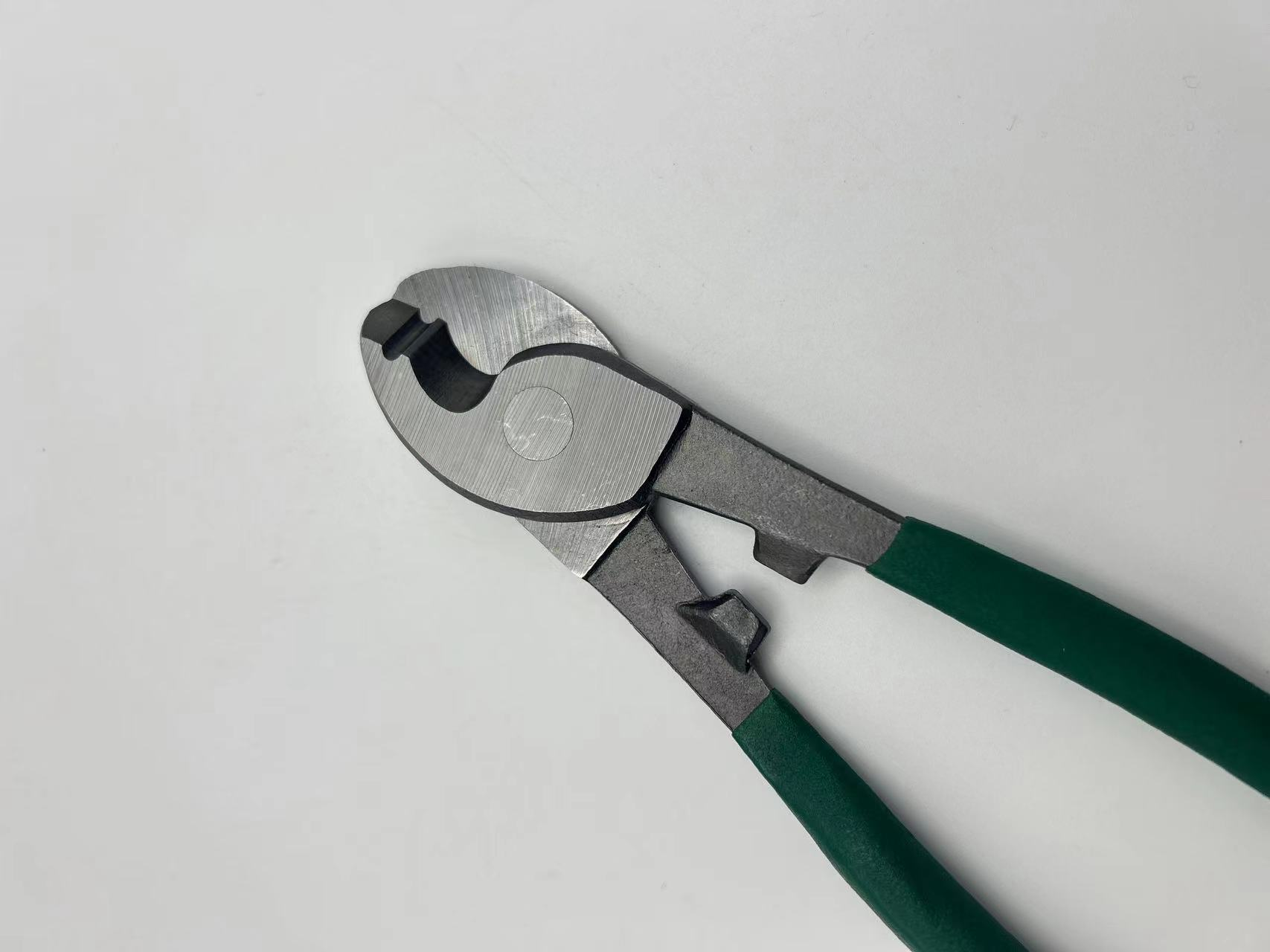
A well-built electrician tool kit is the difference between a safe, efficient job and a preventable incident on the job site. The right electrical tools reduce arc-flash exposure, protect against shock, and let qualified workers complete terminations and repairs with confidence. Distributors and MRO buyers who stock incomplete kits often hear complaints from contractors about missing insulated pieces and rework delays that hurt repeat orders.
Core insulated hand tools for live working
Insulated pliers and lineman's pliers
Insulated pliers sit at the center of every electrician's kit because they combine gripping, twisting, and pulling in one tool. The most useful electrical tools in a residential or industrial bag include 1000 V-rated insulated pliers built to IEC 60900, which keep the user protected while working near live conductors. Lineman's pliers add a flat gripping face and a robust cutting edge for heavy conductors, while the pivot joint stays smooth under high torque and the jaw geometry holds alignment on rebar ties and connectors. Store pliers away from sharp edges that could breach the coating after each shift. A breached handle voids the 1000 V protection even when the chrome vanadium steel jaw still cuts, so inspection belongs in the daily routine.
Wire strippers for clean conductor exposure
Wire strippers remove insulation without nicking the copper strands underneath. These electrical tools must hold precise calibration so the worker sets the correct gauge and pulls cleanly, which matters because exposed or damaged conductors raise resistance and heat at the termination. High-pressure forged chrome vanadium steel bodies hold the set longer than stamped alternatives, keeping strip quality consistent across thousands of cycles. A comfortable grip span reduces hand fatigue during panel builds. Setting the wrong gauge scars the conductor and weakens the termination, a fault that appears only after the panel heats in service. Replace the blade when strips slip, and keep the screw snug so calibration does not drift between jobs.
Diagonal cutters for trimmed leads
Diagonal cutters, sometimes called diagonal pliers, trim component leads close to the terminal. Among trimming electrical tools, an induction-hardened cutting edge maintains sharpness under repeated tensile load, so the cut stays flush instead of crushing the wire. After crimping or soldering, a clean cut prevents stray whiskers that could bridge adjacent conductors and cause shorts. Drop-forged construction keeps the jaw geometry aligned through heavy use on cable ties and bond wire. Never use diagonal cutters as a pry bar or to cut hardened hardware, because side loads twist the pivot joint and open the shear gap. Lubricate the pivot lightly to keep the action free.
Testing and verification instruments
Voltage tester and non-contact detection
A voltage tester confirms whether a circuit is live before any contact. NFPA 70E requires verification of absence of voltage using a tested instrument, so a reliable tester is non-negotiable in the kit. Non-contact detectors add a first-line check, while a calibrated two-pole tester gives the definitive reading. Skipping this step has caused severe shock incidents that proper electrical tools and procedures would have prevented on commercial and industrial sites. Test the instrument on a known live source before and after each measurement to prove the battery and sensor still work. A dead tester that reads zero gives a false safe signal, the common root cause of avoidable contact injuries. Log the check so the site record meets the NFPA 70E verification duty.
Crimping tool for secure terminations
A crimping tool compresses a connector onto a conductor to form a gas-tight, low-resistance joint. Reliable electrical tools like a ratchet crimper prevent partial crimps by releasing only at full pressure. Incorrect crimps loosen under thermal cycling and vibration, creating hot spots that fail silently. ISO 6743 and manufacturer die charts define the correct indentation profile, and matching the die to conductor size is part of disciplined kit composition for live working and panel wiring. Clean the die cavities of copper dust so indentation depth stays true, and recalibrate the crimper when the ratchet feels soft. A worn die stamps a shallow crimp that passes visual checks yet fails under load, so the maintenance interval guards the whole termination program, not one joint.
Why the safety logic governs kit composition
IEC 60900 and NFPA 70E insulation requirements
The reason insulated hand tools belong in the kit is regulatory and physical. IEC 60900 specifies 1000 V insulation with a two-layer color-coded handle and proof testing, while NFPA 70E sets the arc-flash and shock-protection framework for working on or near energized parts. OSHA 1910.335 requires protective equipment when exposed to live parts, so compliant electrical tools are a procurement baseline, not an upgrade for qualified teams on the floor. Look for the double-triangle mark and the year stamp showing the last proof test, since faded markings make the rating impossible to confirm at incoming inspection. Tools with any handle damage leave service at once regardless of the printed voltage class on the label.
Build quality and material standards
Beyond insulation, the steel grade decides service life. Chrome vanadium steel (CR-V) with drop-forged construction and an induction-hardened cutting edge resists deformation under torque. Sourcing electrical tools to ANSI and ISO 5742/5744 gives buyers a verification benchmark during incoming inspection, since those standards define dimensions, hardness HRC, and test loads for pliers. An ergonomic, anti-slip handle supports a secure grip and corrosion resistance in damp environments. Check hardness HRC on a sample from each lot, because soft jaws deform and over-hard jaws chip at the cutting edge under tensile load. Store the kit closed so grit does not seat in the pivot joint.
Summary
Building a dependable kit means selecting certified, purpose-built electrical tools rather than generic hardware. Insulated pliers, wire strippers, a voltage tester, diagonal cutters, and a crimping tool cover the daily tasks of gripping, cutting, testing, and terminating with a safety-first logic. Specifiers who follow IEC 60900, NFPA 70E, and ISO standards protect workers and reduce call-backs from failed joints and unsafe field conditions.
Frequently Asked Questions
Question
What electrical tools should a beginner electrician buy first?
Answer: A starter kit should include 1000 V insulated pliers, a wire stripper, diagonal cutters, a voltage tester, and a crimping tool. These cover gripping, cutting, stripping, and termination. Choose pieces certified to IEC 60900 and verify them against NFPA 70E requirements before live work. Quality chrome vanadium steel bodies extend service life and reduce replacement frequency for new contractors building a dependable field kit.
Question
Why does insulation rating matter for hand tools?
Answer: Insulation rating defines the maximum voltage a tool can safely tolerate near live conductors. IEC 60900 sets a 1000 V rating with proof-tested, two-layer handles. Without proper insulation, incidental contact can pass current through the worker. NFPA 70E and OSHA 1910.335 make insulated tools mandatory where energized parts are exposed, turning the rating into a life-safety requirement rather than a feature on the spec sheet.
Question
How often should insulated tools be inspected?
Answer: Inspect insulated tools before every use for cuts, cracks, or exposed metal through the handle layer. Damaged insulation loses protection even if the steel is sound. Many sites follow a documented pre-shift check and retire tools after impact or heat exposure. Pair visual checks with periodic dielectric testing per IEC 60900 to confirm the insulation still meets its rated performance under field conditions.
Question
Can a standard crimping tool handle every connector type?
Answer: No single crimping tool fits every connector. Each die profile matches a specific terminal and conductor size, and using the wrong die produces a weak joint. Ratcheting crimpers prevent partial crimps by releasing only at full pressure. Buyers should match the crimper to the connector family in use and keep the correct dies stocked, since mixed inventories demand several dedicated tools across the job.
Question
Which standards prove a tool is safe for live work?
Answer: IEC 60900 is the core standard for live-working insulated hand tools, covering 1000 V rating and proof testing. NFPA 70E provides the workplace safety framework, while OSHA 1910.335 mandates protective equipment. ISO 5742 and 5744 define pliers dimensions and hardness. Specifiers should request documentation confirming these marks before approving a kit for energized tasks on site.