 EN
EN

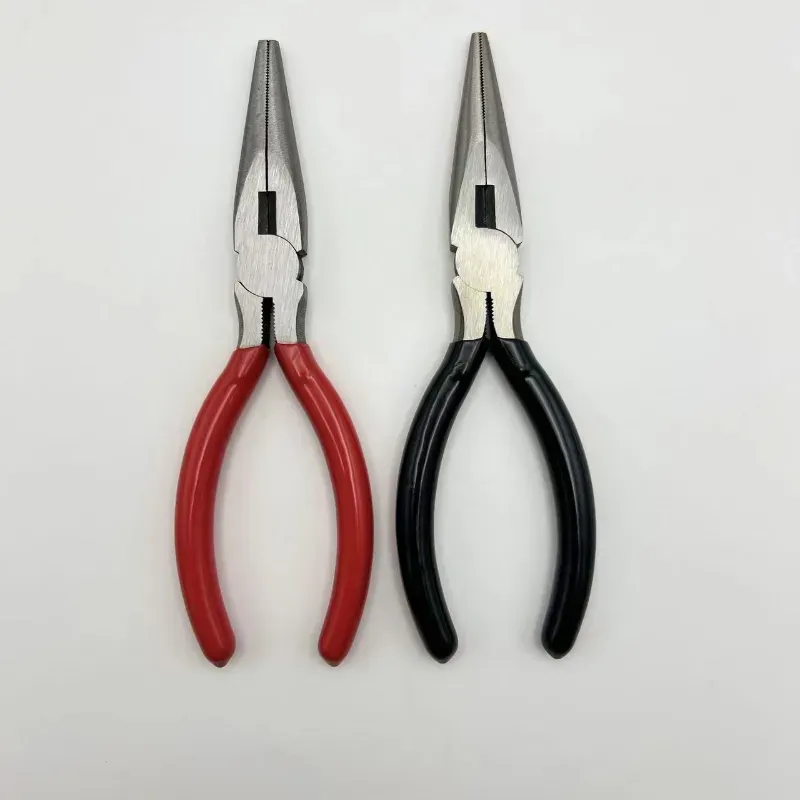
Procurement teams that plan to distribute electrical tools face a different problem than end users. Resale profit is decided long before a product reaches the shelf — at the supplier negotiation, the certification check, and the first container inspection. A distributor that simply chases the lowest quote often discovers hidden costs in rejects, returns, and compliance gaps. This guide breaks down the wholesale factors that actually drive margin, so buyers can build a stock portfolio that sells and stays compliant.
Why resale profitability starts with the right supplier
Selecting a manufacturing partner is the first lever on resale margin. A low unit price loses its appeal when defect rates climb or shipments slip.
Supplier vetting beyond the price sheet
A credible supplier reveals more than a quotation. Request factory audit summaries, production capacity, and references from existing export markets. For electrical tools, verify that the plant follows documented quality control at each stage — from drop-forged chrome vanadium (CR-V) steel blanks to hand-sanded finishing. Ask about batch traceability and the corrective-action process when a dimension falls outside tolerance. A vendor that cannot explain its inspection steps will struggle to support a reseller during a quality claim. Before releasing full payment, request a sealed sample of finished units and confirm the grip span and ergonomic handle feel match the approved prototype. A plant that welcomes unannounced line visits demonstrates the process discipline resellers depend on.
Certifications buyers must verify for resale
Tools intended for live working carry strict obligations. Insulated hand tools sold into the EU market require CE marking, and live-working insulated pliers should meet IEC 60900 for 1000 V protection. In North America, OSHA 1910.335 governs electrical protective equipment, while NFPA 70E sets the workplace standard electricians follow. Resellers of electrical tools must treat documentation as non-negotiable: require test reports per batch, not just a generic certificate, and confirm hardness HRC values align with ISO 5744 expectations for pliers. Where applicable, ANSI and ISO 5742 dimensional standards provide an extra reference point for buyers serving mixed markets. Keep a master file of valid certificates with expiry dates, and re-confirm before each reorder.
Margin math — MOQ, unit cost, and SKU mix
Profit per unit looks simple on paper but hides real constraints once logistics and rejects enter the equation.
Calculating unit margin on bulk orders
Unit margin equals landed cost subtracted from resale price. Landed cost includes the ex-works price, freight, import duty, and packaging. For electrical tools, a smaller MOQ may carry a higher per-unit price yet reduce dead-stock risk for a new product line. Buyers should model two scenarios — aggressive volume pricing versus a conservative reorder — and compare cash tied up. Induction hardening on cutting edges raises upfront cost but lowers return rates, protecting margin over the season.
Building a balanced SKU mix
A reseller should avoid loading only one tool type. A balanced SKU mix blends insulated pliers, wire strippers, and diagonal cutters so a single customer order can be filled completely. High-turn SKUs fund slower movers, and variety reduces dependence on one demand cycle. Study local electrician buying patterns: combination pliers and wire cutters sell steadily, while specialty items move in smaller volumes. Match the mix to warehouse capacity and the sales team's reach.
Packaging, lead time, and inspection on arrival
The container is not the end of procurement — it is where value is confirmed or lost.
Packaging that protects and sells
Export packaging does double duty. Corrugated boxes with inner trays prevent jaw misalignment during transit, while branded sleeves support shelf presentation. For electrical tools, insulation rating labels must stay legible through shipping and storage; smudged marks invite inspection failure at the customer site. Specify anti-slip, sealed polybags for humid routes and request sample packs before committing a full container.
Lead time risk and inventory buffer
When sourcing electrical tools, long lead times force a choice between stockouts and over-ordering. A supplier quoting 45 days may slip to 70 under peak season, stranding promotional plans. Build a safety buffer of two to three weeks of average demand for core SKUs, and negotiate partial shipments to keep cash flowing. Track supplier on-time rate across previous orders; a consistent track record matters more than a single attractive quote. Map lead time against the sales calendar so promotional SKUs arrive before the campaign, not after. A supplier that shares a realistic production schedule reduces the need for expensive air freight.
Safe handling, inspection, and maintenance for resale stock
Stock sitting in a warehouse still carries risk if storage and checks are weak.
Incoming inspection checklist
On arrival, sample 5–10 percent of cartons and verify against the purchase order. Check the insulation rating stamp, pivot joint smoothness, torque at the joint, grip span comfort, and cutting edge alignment. Confirm the CE or IEC 60900 documentation matches the batch. Any tool showing rust, loose rivets, or uneven jaw geometry should be quarantined and claimed back to the supplier. A short incoming checklist prevents defective electrical tools from reaching an electrician's hands and protects the reseller's reputation.
Storage and maintenance to preserve value
Store tools in a dry area with silica packs to limit corrosion resistance loss on chrome vanadium (CR-V) steel under tensile load. Keep ergonomic handle surfaces away from direct sunlight, which can harden rubber. Rotate stock by arrival date so older units ship first. For live-working insulated pliers, re-test dielectric properties on a schedule aligned with IEC 60900 guidance before restocking shelves. Proper storage keeps electrical tools ready for resale and preserves audit-ready inventory.
Sourcing electrical tools for resale rewards discipline more than bargain hunting. Verify supplier processes, insist on IEC 60900 and CE certification, model unit margin against MOQ and lead time, and protect value with packaging and incoming inspection. A balanced SKU mix and steady inventory buffer turn procurement from a cost center into a dependable profit engine for distributors.
Frequently Asked Questions
Question
What certifications must bulk hand tools carry for resale?
Answer: In the EU, CE marking is mandatory, and insulated live-working tools should meet IEC 60900 for 1000 V. North American buyers rely on OSHA 1910.335 and NFPA 70E for workplace safety. Require batch test reports rather than a generic certificate, and confirm hardness values follow ISO 5744. Customs and liability exposure make documentation a non-negotiable part of any resale program.
Question
Why does MOQ affect resale profitability?
Answer: A high MOQ lowers unit price but ties up cash and raises dead-stock risk if demand shifts. A smaller order costs more per unit yet keeps inventory flexible. Buyers should model landed cost against expected sell-through and reorder speed. The right MOQ balances price advantage with the risk of holding slow movers, protecting overall margin across the season and freeing capital for faster-turning lines.
Question
How should a reseller inspect incoming shipments?
Answer: Sample 5–10 percent of cartons and check against the purchase order. Verify the insulation rating stamp, pivot joint action, and cutting edge alignment. Quarantine any tool with rust, loose rivets, or uneven jaw geometry, then claim it back to the supplier. A short incoming checklist stops defective stock from reaching job sites and shields the reseller's reputation from costly field failures.
Question
Which SKUs belong in a starter resale mix?
Answer: A balanced starter mix blends insulated pliers, wire strippers, diagonal cutters, and combination pliers so a single customer order can be filled completely. High-turn items fund slower movers and reduce dependence on one demand cycle. Match the selection to local electrician buying habits and warehouse capacity, then expand into specialty tools such as needle-nose and slip-joint as demand data accumulates.
Question
Can packaging influence resale success?
Answer: Packaging protects product and drives shelf appeal. Corrugated trays prevent jaw misalignment in transit, while branded sleeves support presentation. For electrical tools, legible insulation labels must survive shipping; smudged marks invite field rejection. Specify sealed polybags for humid routes and request sample packs before a full container. Good packaging reduces returns and reinforces a professional resale brand.