 EN

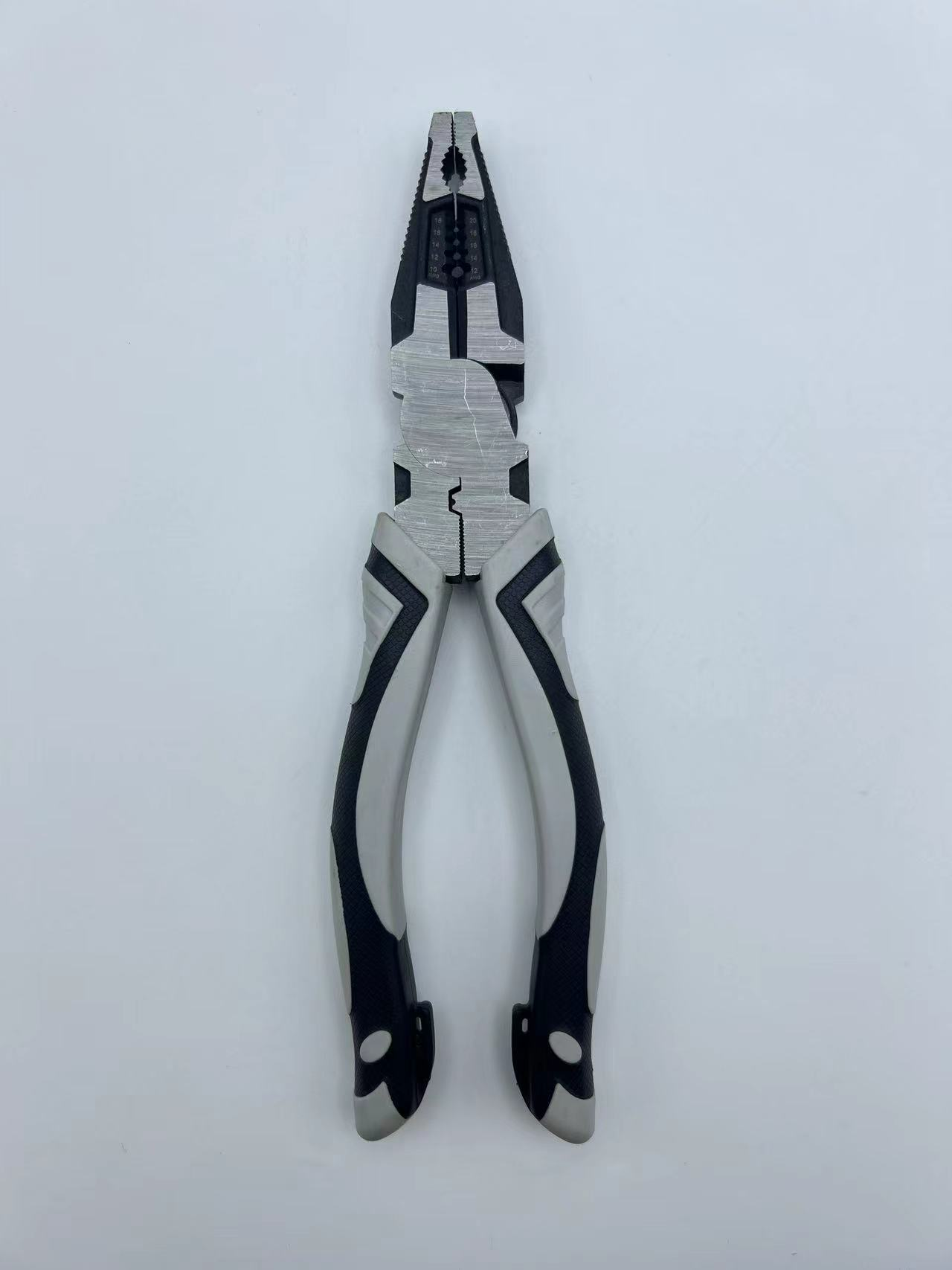
A reliable gripping and cutting hand tool starts with the right purchase decision. When a distributor or MRO buyer screens a batch of industrial pliers, small defects that look harmless on a shelf can become safety and cost problems on the workshop floor. This guide walks through a practical procurement checklist so buyers can specify, inspect, and receive tools that perform under real load.
Material and hardness you should verify
Why chrome vanadium steel matters
The body of a good pliers is only as strong as its steel. High-pressure forged chrome vanadium steel, often marked CR-V, gives the joint and jaws a dense grain structure that resists chipping under repeated tensile load. Cheaper carbon steel bends or cracks at the pivot first. For industrial buyers, specifying CR-V in the purchase order removes the most common cause of early failure and keeps replacement cycles predictable.
Hardness, HRC, and induction hardening
Hardness decides whether the cutting edge stays sharp or rolls over after a few hundred cuts. For pliers, look for induction-hardened edges and a documented HRC range on the cutting face. ISO 5744 covers hardness testing for hand tools, so a supplier who quotes a measured HRC value demonstrates process control rather than a claim. Pair the edge hardness with a slightly softer jaw body to absorb shock without snapping during heavy grip.
Joint, jaw, and cutting quality
Pivot joint construction
The pivot is where force concentrates. A precision-machined rivet or screw pivot keeps the two halves of the pliers moving on a true axis, so the jaws close evenly and the cutting edges meet without gaps. A loose or off-center pivot lets the tool wander under load and accelerates wear. During incoming inspection, open and close the tool by hand; any side play or grinding feel signals a joint that will not survive industrial duty.
Jaw alignment and geometry
The jaw geometry of quality pliers decides gripping contact. Misaligned jaws slip on a round bar and scar soft fittings, while a flat, parallel gripping face distributes force evenly. Hold the closed jaw up to the light: a thin, even line of light means alignment is correct. For pipe and fastener work, select a jaw shape that matches the part profile rather than a generic shape that only approximates the job. For repeated production work, also weigh grip span and an ergonomic handle, because a tool that fits the hand reduces fatigue and the chance of a slipped grip that damages the part.
The cutting edge of pliers must show a crisp, symmetric bevel and a burr-free flank. A flush-cut profile suits soft wire and electronics; a heavier diagonal profile suits hard conductors. Request a sample before committing to a full container, and test-cut the actual wire gauge used on site to confirm the edge clears the job without mushrooming or leaving a jagged end that later snaps under tension. Buyers should also confirm corrosion resistance on the finished surface, since tools stored in damp maintenance vans rust at the pivot and seize before the edge ever dulls.
Safety certification and insulation
Insulation rating for live working
When the tool reaches near energized parts, insulation is not optional. IEC 60900 defines the 1000 V live-working requirement for insulated hand tools, and OSHA 1910.335 plus NFPA 70E set the workplace electrical-safety framework. Specify double-layered, slip-resistant insulated handles with a visible certification mark, and reject any unit whose coating shows a gap at the pivot or blade where current could track to the hand. Re-test intervals matter: insulated hand tools should return to a qualified lab on a schedule, because the dielectric layer ages with heat and impact even when the surface looks intact.
Standards and supplier audit
Documentation is part of the product. Ask for ISO 5742 and 5743 dimensional and test references and proof of third-party certification, then verify the marks against the issuing body; ANSI hand-tool standards also apply for the North American market. A serious supplier audit checks the plant's forging, heat-treat, and final-inspection records. Jusheng Tools, for example, runs high-pressure forging and hand-sanded finishing across its CR-V range, evidence a buyer can request during qualification.
Procurement and maintenance discipline
How to evaluate a tool supplier
For bulk orders, price is the last number to compare. Evaluate the supplier's SKU range, lead time, lot traceability, and complaint rate on prior shipments. Confirm the minimum order quantity fits your warehouse and that certificates travel with each lot, not just the first sample. A capable manufacturer supports distributor qualification with consistent batch records and answers non-conformance reports within a defined window, which protects the reseller's own reputation. Consider a distributor who approved a new source on unit price alone. The first container looked fine, but the second lot arrived with soft jaws that peeled under torque, and no certificate traveled with the shipment. The reseller ate the return freight and lost a week of sales. A short supplier audit—sample test, certificate check, and a defined complaint window—would have caught the drift before it reached customers.
Inspect and maintain on site
Field discipline protects the investment. On receipt, tag a sample from each lot for a cut-and-grip test; schedule a monthly visual check for pivot play, jaw wear, and insulation cracks. Clean cutting faces after contact with corrosive material, and store tools dry to preserve corrosion resistance. Remove any unit that shows a chipped edge or hardened-handle fracture from service immediately, before a small defect becomes an injury on the line.
Buying industrial pliers is less about price and more about controlling risk across the tool's life. Verify material, hardness, joint, jaw, and insulation, then back the purchase with a documented supplier audit and a simple on-site inspection routine. The result is predictable performance, fewer injuries, and a stable supply chain for procurement teams who specify with confidence.
Frequently Asked Questions
Question
What material should be specified for a durable industrial gripping tool?
Answer: Specify high-pressure forged chrome vanadium (CR-V) steel for the tool body. CR-V gives the joint and jaws a dense grain that resists chipping under tensile load, while cheaper carbon steel bends at the pivot first. Request the measured HRC and confirm induction-hardened cutting edges. This material check, applied to every pliers in the batch, removes the most common cause of early failure and keeps replacement cycles predictable.
Question
How can a buyer verify jaw alignment before accepting a shipment?
Answer: Close the jaw and hold it to the light; a thin, even line means alignment is correct, while a broken or wavy gap signals a tool that will slip on round stock. Request a sample from the supplier and test-grip a representative fastener before the full container ships. A monthly visual check after delivery catches pivot play early, preventing scraped fittings and worker frustration on the production line.
Question
Why does insulation matter when tools approach energized parts?
Answer: Insulated handles protect workers who operate near live circuits. IEC 60900 sets the 1000 V live-working requirement, and OSHA 1910.335 with NFPA 70E frame the workplace rule. Specify double-layered, slip-resistant handles with a visible certification mark, and reject any unit whose coating shows a gap at the pivot. Adding a dielectric test on incoming lots gives procurement teams documented proof before tools reach the floor.
Question
Which documents prove a supplier meets international hand-tool standards?
Answer: Ask for ISO 5742 and 5743 dimensional and test references plus third-party certification, then verify the marks against the issuing body. A real supplier audit also reviews forging, heat-treat, and final-inspection records at the plant. Certificates should travel with every lot, not only the first sample. Consistent batch records and a defined response window to non-conformance reports show a manufacturer ready for distributor qualification.
Question
Can on-site inspection reduce long-term tool failure rates?
Answer: Yes. Tag a sample from each received lot for a cut-and-grip test, then schedule a monthly visual check for pivot play, jaw wear, and insulation cracks. Clean cutting faces after contact with corrosive material and store tools dry to preserve surface protection. Removing any unit with a chipped edge or hardened-handle fracture from service immediately stops small defects from becoming injuries or scrap on the line.