 EN

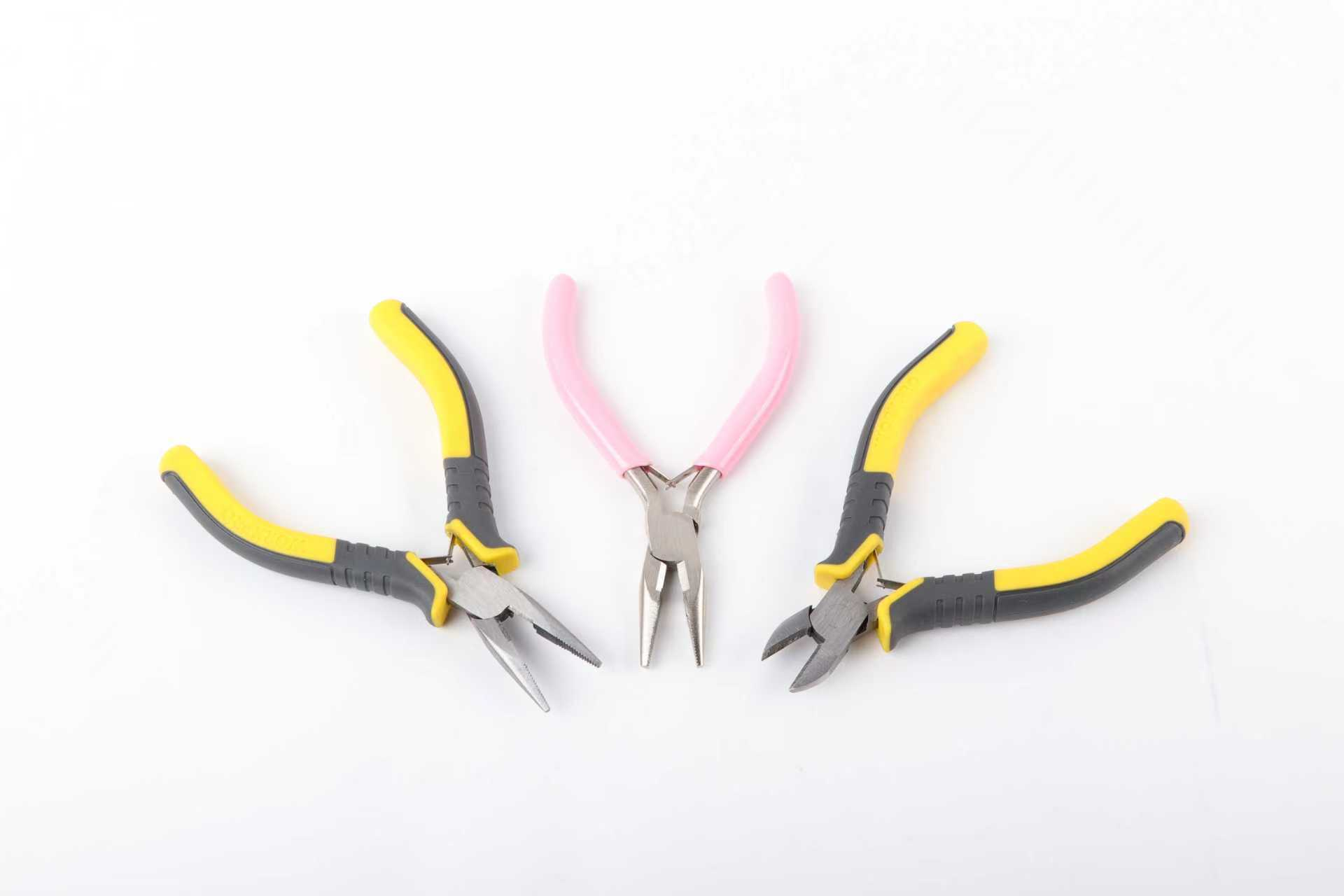
Walking through a distributor's catalog, every tool in the family of hand pliers appears to share the same handles and steel frame. The real difference is structural, not cosmetic. Each design pairs a specific jaw geometry with a pivot joint tuned for a narrow job. Specifying the wrong profile slows assembly and can crush a soft fitting or round a nut. The comparison below covers five proven structures used across electrical, plumbing and MRO work, and explains why each shape fits its task.
Jaw geometry is what separates the types
Needle-nose pliers: long taper for confined spaces
The first type, needle-nose pliers, carries an extended, tapering jaw that reaches terminals deep inside a control panel. The narrow tip concentrates force at the very end, which is why it suits precision wiring rather than heavy pulling. A quality unit uses drop-forged chrome vanadium steel so the thin nose resists bending under tensile load. Electricians reach for this tool when routing wire through crowded junction boxes where a bulkier gripping hand tool cannot fit. One MRO buyer cut returns after adding the long-nose type to kits where techs had been forcing fixed jaws into tight terminals and scarring the work.
Slip-joint pliers: dual-position pivot for two spans
The slip-joint model earns its name from a pivot that snaps between two positions, changing the jaw opening without swapping tools. A wider grip span lets the same hand tool hold a half-inch nut and then a one-inch pipe. The trade-off is a slightly looser action at the far setting, so the jaw should sit flush before applying torque. Buyers should check that the adjustment rivet is machined, not stamped, to keep the pivot joint stable under repeated load.
Linesman pliers: combined grip and side cutter
The linesman model merges flat gripping jaws with an induction-hardened side cutter near the pivot, where leverage is highest. That combination lets a worker twist conductors together and then trim them in one motion, a reason it anchors every electrician's kit. Cutting edges treated to high hardness HRC stay sharp through thousands of cycles. For live-working environments, specify an insulation rating built to IEC 60900 so the tool is rated for 1000 V service.
Pivot design governs force and control
Diagonal cutter: angled jaw for flush cuts
The diagonal cutter uses a jaw set at an angle to the handle so the blade meets the workpiece edge-on. This geometry produces a clean, flush snip on wire and zip ties without leaving a stub. Edges hardened by induction hardening resist chipping when cutting solid copper or soft steel. Ergonomic handle shaping with an anti-slip grip reduces hand fatigue during high-volume harness work. Choose a model with corrosion resistance for humid workshop conditions, and confirm the cutting edge alignment so the two halves meet without a gap that would crush rather than sever.
Water pump pliers: adjustable multi-position jaw
The water pump pliers use a hardened slot and a stepped jaw that locks into several positions, so one tool grips diameters from a quarter inch to over two inches. A self-locking action keeps pressure on round or irregular stock without constant squeezing. Plumbing and automotive crews rely on it for couplings and hose fittings that a fixed jaw cannot hold. Look for a forged CR-V body and a machined adjustment track to keep the grip square under load. Field crews report fewer slipped fittings once they stop using fixed jaws on oversized couplings and switch to the adjustable profile.
Why leverage ratios matter for hand fatigue
Leverage is the hidden spec. A longer handle multiplies input force at the jaw, but it also widens the grip span and strains the palm on repeat cycles. Quality manufacturers tune the pivot location so cutting and gripping need less squeeze for the same result. An ergonomic handle with a balanced center of mass lowers fatigue across a shift. For procurement, request the tensile load rating and compare it against the hardest task on the line.
Selecting the right hand tool for the job
Round, flat and irregular workpieces
Round stock slips in a flat jaw, which is why pipe and conduit need a jaw with teeth or a curved profile. Flat nuts and terminals want a parallel, smooth face to avoid rounding edges. Irregular fittings such as hose clamps and sensor bodies are served well by the adjustable water pump jaw or a slip-joint hand tool with enough travel. Matching jaw geometry to the workpiece shape is the single biggest factor in a clean, damage-free result.
Procurement and maintenance checklist
Specifying well starts with the task list: soft wire, hard wire, pipe, or terminals. Then confirm material — drop-forged chrome vanadium steel resists deformation better than cast bodies. On delivery, inspect each pivot joint for play and confirm the cutting edge is free of nicks. Verify compliance with ISO 5742 and ISO 5744 for dimensional and hardness tolerances, and check ANSI references where required. For live working, NFPA 70E and OSHA 1910.335 set the rules for insulated equipment. In use, never extend the handle for extra torque, and keep insulated tools below rated limits. Maintain by wiping jaws, oiling the pivot, and storing dry to preserve corrosion resistance. A matched set of pliers covering nose, slip-joint, linesman, cutter and adjustable jaw handles most industrial calls.
Summary
Five structures solve five problems. The long nose reaches where other tools cannot, the slip-joint covers two spans, the linesman type twists and cuts, the diagonal cutter trims flush, and the adjustable jaw holds odd shapes. Choosing by jaw geometry and pivot, not by look, prevents damaged fittings and slow work. For industrial buyers, a small set of well-made pliers covers most bench and field calls, while a clear inspection routine keeps each tool accurate through heavy use.
Frequently Asked Questions
Question
What defines a needle-nose hand tool?
Answer: The needle-nose style uses an elongated, tapering jaw that reaches terminals deep inside panels where a bulkier frame cannot enter. Its narrow tip focuses force at the very end, making it ideal for precision wiring and retrieving small parts. Because the nose is thin, it should not pull heavy stock. A drop-forged chrome vanadium body keeps the tip straight under load, while an ergonomic handle improves control in tight, repeated work.
Question
Why does the slip-joint design have two settings?
Answer: The slip-joint pivot snaps between two positions, changing the jaw opening so one tool holds both small nuts and larger pipe without a swap. The nearer setting gives a tight grip on fine work; the farther setting widens the span for bulky fittings. Because the action is looser at the wide stop, seat the jaw flush before applying torque. A machined rivet keeps the pivot joint stable through repeated industrial use.
Question
How should linesman tools be specified for electrical work?
Answer: Specify a model with an induction-hardened side cutter near the pivot and cutting edges rated to high hardness HRC for long life. For live-working tasks, the tool must carry an insulation rating to IEC 60900 and meet NFPA 70E and OSHA 1910.335 rules for insulated equipment. Confirm ISO 5742 and ISO 5744 tolerances on delivery. A forged CR-V body resists deformation, and an anti-slip, ergonomic handle lowers fatigue during long harness and termination jobs.
Question
Can one adjustable tool replace several fixed jaws?
Answer: The water pump design covers a wide diameter range with a stepped, multi-position jaw and self-locking action, so it grips round and irregular stock that fixed tools miss. It is not a substitute for a flush diagonal cutter or a precision nose on fine work. For mixed industrial calls, carry the adjustable jaw plus a cutter and a nose type. This combination reduces kit weight while covering most bench and field gripping tasks.
Question
Which inspection steps protect a pliers investment?
Answer: On arrival, check the pivot joint for play and confirm the cutting edge is free of nicks or cracks. Verify hardness marks and any insulation rating against the job's voltage. In use, avoid extending the handle for extra torque and keep insulated tools below their rated limit. Maintain by wiping jaws, oiling the pivot, and storing dry to preserve corrosion resistance. Regular checks catch wear before it damages workpieces.