 EN
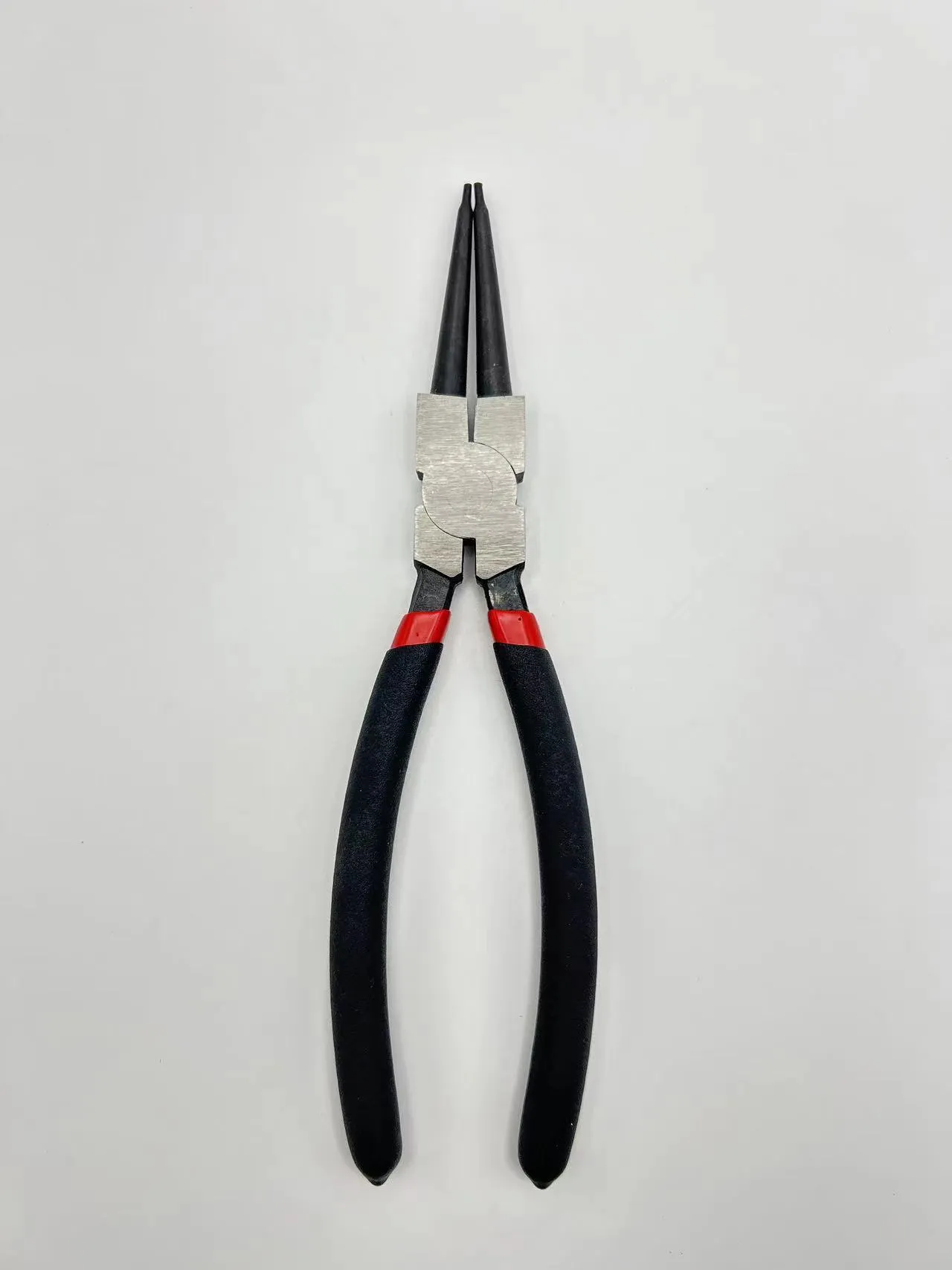
Every tool wholesaler hits the same wall eventually. The catalog sells generic pliers at generic margins, the premium brands own the shelf space, and the buyer in the middle wonders where the profit went. Custom manufacturing is the usual answer, and it raises fair questions: can custom pliers actually support an OEM wholesale business, or is it a warehouse of tooling costs waiting to happen? The short version: they can, when the program runs properly. The longer answer covers how these programs work, what to lock in writing, and how to choose a partner who treats your brand like their own reputation.
Where Custom Programs Create Real Margin
The catalog wall
A German hardware wholesaler spent a decade reselling the same wholesale hand tools every competitor stocked, and margins thinned year after year. The own-brand shelf sat empty while shoppers walked past the generic racks. The problem was not demand; it was differentiation. When a retail chain asked for private label pliers under its own name, the wholesaler had no answer beyond passing the request to a trading company, which quoted a price with no story behind it.
From catalog filler to own product
The wholesaler changed approach and worked directly with a factory in the Zhangjiagang tool cluster that builds OEM pliers under its own roof, handling OEM and ODM work end to end. Drawings went back and forth for three rounds: jaw profile, handle coating, logo placement, packaging layout. A pre-production sample was approved against measured values, and a retained golden sample stayed with both parties. The first bulk order shipped in retail-ready packaging, and the range moved from a price fight to a brand conversation. Repeat orders followed, and the margin story finally belonged to the wholesaler instead of the catalog.
How A Custom Pliers Program Actually Runs
Drawings, tooling and the sample approval loop
Custom pliers begin as drawings, not as a photo from a catalog. The factory translates the drawing into forging dies, stamping setups and machining programs, and that tooling is where the first real cost sits. A sensible program amortizes tooling across the planned run instead of treating it as a one-off expense, which is why vague volume forecasts hurt. Sample approval is the control point: the pre-production sample gets measured — jaw gap, total length, hardness, finish — signed off as the golden sample, and every bulk pull is then compared against it. Skipping the loop is how a brand ends up with a container of tools that look almost right.
MOQ, lead time and first-run economics
Three numbers decide whether a program makes money: MOQ, lead time and tooling amortization per unit. MOQ for custom runs is usually set per SKU, so a wide first range with tiny quantities per item quietly destroys the economics; a narrow range with real depth per item is the safer start. Lead time splits into phases — tooling, samples, bulk production, inspection, shipping — and buyers who plan around the full chain avoid announcing a range before the tools exist. A phase-by-phase schedule in writing turns a vague promise into a plan.
Choosing An OEM Partner Worth The Tooling Spend
Verifying capability beyond the showroom
A showroom sample proves a factory can make one good tool; it proves nothing about the ten-thousandth. Verification means walking the forging line and the heat-treatment shop, checking whether those steps run in-house or get outsourced, and asking for furnace and hardness records tied to batch numbers. ISO 9001 certification confirms a quality management system exists, and ISO 5749 gives both sides a shared reference for pliers dimensions and testing. Factories that welcome this look usually have nothing to hide; the ones that redirect every question to the sales office are answering a different one.
Quality control that travels with the bulk order
Quality control is not a certificate in a folder; it is a routine that travels with every shipment. Batch numbers on packing lists, material records for the steel, hardness checks on a pull from bulk, and a comparison against the retained golden sample before loading. A third-party inspection before shipment catches what a factory's own team might wave through, and it costs little against the price of a container that cannot be sold. Documentation tied to specific batches turns a brand promise into a traceable record, which matters when a field issue surfaces months later.
Specs, Packaging And A Launch Checklist
The specs worth locking in writing
Some specifications deserve to be non-negotiable. Steel grade and the expected hardness range, jaw tooth pitch and profile, pivot fit and tolerance, handle material and coating, finish and plating thickness, plus logo marking and packaging layout. Tolerances belong in the drawing, not in an email thread, because a number both sides signed is the only version that survives a dispute. Insulated patterns add a documentation layer: if the range includes insulated pliers for electrical work, batch-tied test records under IEC 60900 or EN 60900 protect both the brand and the end user.
Packaging, labeling and the launch checklist
Packaging is where a custom program meets the shelf. Retail-ready packaging needs to protect against corrosion in transit, carry the barcode and labeling the market expects, and survive a warehouse drop without looking shopworn. A short launch checklist keeps the program honest: golden sample signed, specifications in writing, batch records agreed, inspection booked before shipment, packaging approved against the retail standard. Run that list for every SKU and the brand story survives contact with the real channel.
Custom pliers can absolutely support an OEM wholesale business — the economics work when tooling is amortized across a focused range, specifications live in the drawings, and every bulk shipment is checked against an approved golden sample. The brands that win this game treat the factory as a partner with a shared reputation, not as a vendor with the lowest quote. That shift is what turns a catalog wall into a shelf of your own.
Frequently Asked Questions
Question
What is the typical MOQ for custom pliers orders?
Answer: MOQ for custom runs is usually set per SKU rather than per program, and the number depends on tooling cost, forging setup and the packaging format. A narrow first range with real depth per item keeps unit costs sane; a wide range with tiny quantities quietly destroys them. Ask for the MOQ per SKU in writing, along with how tooling is amortized across the planned run, before committing to a launch schedule.
Question
How long does a custom tooling project usually take?
Answer: Plan in phases: drawing approval, tooling, pre-production samples, bulk production, inspection and shipping. Tooling and samples usually take the longest, and a realistic schedule is measured in weeks per phase rather than days. Buyers who announce a launch date before the sample is approved tend to miss it. A phase-by-phase schedule in writing, with a named contact for each stage, turns a vague promise into something a purchasing team can plan around.
Question
What documents should accompany a bulk shipment?
Answer: Ask for a packing list with batch numbers, material records for the steel, hardness and inspection records tied to those batches, and the comparison against the retained golden sample. Test reports without batch numbers prove little. Insulated patterns need an extra layer: batch-tied test documentation under IEC 60900 or EN 60900. Documentation tied to specific batches turns a brand promise into a traceable record when a field issue surfaces months later.
Question
Can one factory handle both forging and heat treatment?
Answer: Some run both in-house, others outsource one step, and either model can produce good tools — what matters is knowing which. A factory that forges in-house but outsources heat treatment needs documented furnace records from the partner shop, with batch numbers that tie back to your order. Ask to see both areas during an audit. When a step is outsourced, quality control has to travel across the company boundary, which usually means tighter inspection on arrival.
Question
Is private labeling worth it for a small wholesaler?
Answer: It can be, with a narrow first range. One or two patterns with real depth beat a wide shelf of thin SKUs, because tooling and MOQ economics reward focus. Start with the patterns the market already asks for, lock the specifications in writing, and let the brand story — not the unit price — carry the range. Private labeling turns a catalog wall into differentiation, and differentiation is what protects margin when competitors race to the bottom on price.