 EN

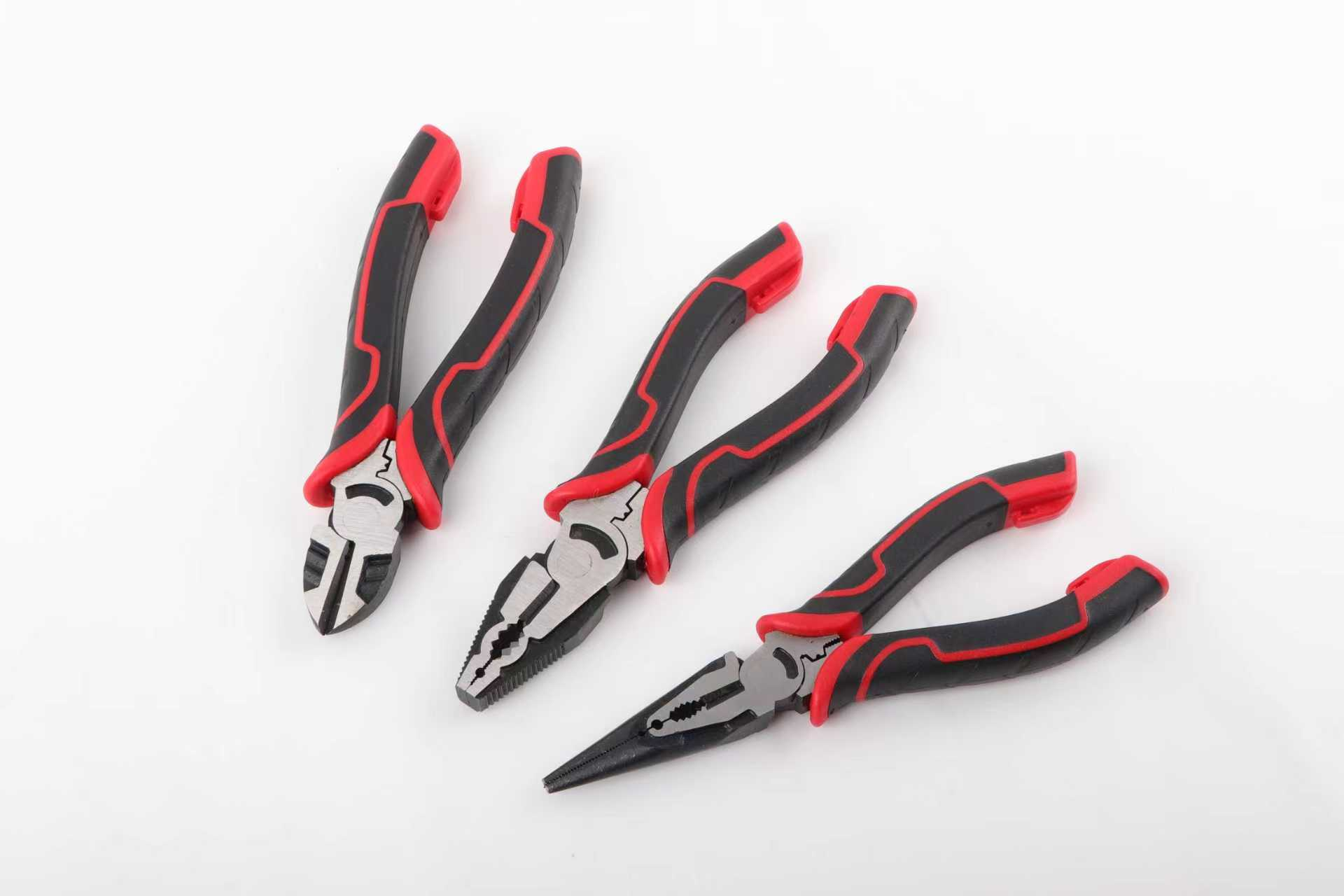
Bulk buying turns small mistakes into expensive ones. A container that holds ten thousand pliers magnifies every shortcut taken at the purchasing desk: the vague specification, the skipped hardness check, the inspection that never happened. Most procurement mistakes are not dramatic; they are quiet decisions to trust a sample and hope the rest of the batch matches. The errors below show up again and again in bulk pliers purchasing, and each has a fix that costs less than the failure.
A Container That Could Not Be Sold
How the order happened
A UK tools importer found a supplier offering combination pliers at a price that undercut the market by a quarter. The sample looked clean, the specification sheet said "high quality steel", and payment terms asked for a deposit up front. The container arrived six weeks later, and the problems surfaced at unpacking: jaws bent under light prying, cutting edges chipped on galvanized wire, and rust blooms appeared under the plating within days. Trade customers rejected the delivery, the importer ate the freight, and the pallets sat in a warehouse while the sales team apologized.
What changed afterward
The importer rebuilt its pliers quality control routine from the failure. Specifications moved from adjectives to numbers: steel grade, hardness range, jaw tolerance, plating thickness. Supplier audit walked the forging and heat-treatment lines before the reorder. Hardness tests ran on samples from the actual production batch, a third-party inspection was booked before shipment, and packaging was specified with moisture barriers and pallet standards. The reorder arrived within the agreed lead time, sold through, and the importer now treats that first container as the most valuable lesson the company ever bought.
Pricing And Specification Mistakes
Buying on unit price alone
Unit price is the easiest number to compare and the most misleading. A low quote usually means something was removed: steel depth, heat treatment, inspection time, or packaging. The honest comparison is total cost — the price plus replacement cycles, freight on rejected goods, and the staff time spent managing complaints. One importer's arithmetic is typical: saving a few cents per tool cost a container, a storage bill, and a retail relationship. A quote that looks too good to be true usually is, and the gap shows up somewhere — in the steel, the furnace, or the inspection bench. Unit price matters; it just cannot be the only filter.
Vague specification sheets
"High quality steel" is not a specification. A usable specification sheet names the steel grade, the expected hardness range for edges and bodies, jaw and pivot tolerances, handle material, finish and plating thickness, and the packaging format. Each number is a test the buyer can run later. Bulk pliers purchasing mistakes usually start here, in the gap between what was assumed and what was written. Specs in writing also protect both sides: when a dispute surfaces, the signed sheet is the only version anyone remembers.
Verification Gaps That Surface After Shipment
Skipped hardness and material checks
Hardness is the most common silent failure in pliers quality control. Edges that are too soft roll over and deform; edges that are too hard chip on the first impact. Industry practice commonly puts cutting edges in the mid-50s HRC and above, with bodies tempered back toward the low-40s HRC for toughness. A Rockwell hardness test on a sample from the actual batch takes minutes and catches soft stock before it ships. Two tools from the same batch can still differ if a furnace load ran uneven, which is why batch-level testing beats certificate reading. Material certificates help, but a certificate without a batch number verifies nothing — ask for the test, not the paper.
No pre-shipment inspection
A pre-shipment inspection is the last gate before the container leaves. A third-party inspector pulls a sample against the agreed specification sheet, checks workmanship, and confirms the batch records exist. The cost is trivial against the price of a rejected container, and the threat of an inspection quietly raises quality across the whole run. Buyers who skip supplier verification until the goods arrive usually discover the problem at unpacking, when the only remaining options are rework, discount, or scrap.
Paperwork, Packaging And Better Habits
Missing certifications and traceable documents
Different markets expect different paperwork, and the buyer carries that risk. Material records, hardness and inspection reports tied to batch numbers, and — for insulated patterns aimed at electrical work — test documentation under IEC 60900 or EN 60900. Documents that cannot be traced back to the pliers in a batch are decoration. Ask what the destination market requires before the order is placed, not after the goods are stuck at customs.
Packaging that arrives as scrap
Good tools arrive broken because of packaging. No moisture barrier means rust blooms in transit; loose cartons mean bent jaws and chipped edges on arrival; weak pallets mean a collapsed stack in the warehouse. Specify the packaging: inner protection, carton grade, moisture barrier, pallet dimensions, and a salt spray expectation for plated surfaces. A simple drop and humidity check on the pre-production sample tells more about arrival condition than any promise in an email. Importers who ship without a packaging specification in writing usually pay twice: once in claims and once in replacement freight.
Avoiding the common traps in bulk pliers purchasing comes down to discipline, not suspicion: numbers instead of adjectives on the specification sheet, hardness tests on the actual batch, a third-party inspection before shipment, packaging written into the order, and paperwork that traces back to a batch. None of these steps requires an engineering background — only the habit of verifying before the container sails instead of after it lands.
Frequently Asked Questions
Question
How can buyers verify hardness before committing to a full order?
Answer: Ask for samples pulled from the actual production batch, not a showroom piece, and run a Rockwell hardness test on the cutting edges and the body. Industry practice commonly places edges in the mid-55s HRC and above, with bodies tempered toward the low-40s HRC for toughness. Testing pliers from the same batch takes minutes and catches soft stock before it ships. A certificate without a batch number verifies nothing, so ask for the test rather than the paper.
Question
What should a specification sheet for hand tools include?
Answer: Name the steel grade, the expected hardness range for edges and bodies, jaw and pivot tolerances, handle material, finish and plating thickness, and the packaging format. Each number becomes a test the buyer can run later, and each adjective that stays vague becomes an argument later. Specs in writing protect both sides: when a dispute surfaces months after delivery, the signed sheet is the only version anyone remembers.
Question
Is a pre-shipment inspection worth the cost?
Answer: Almost always. A third-party inspector pulls a sample against the agreed specification sheet, checks workmanship, and confirms batch records exist. The fee is trivial against the cost of a rejected container, and scheduling an inspection quietly raises quality across the whole run because the factory knows someone is coming. Buyers who skip it usually discover problems at unpacking, when the only options left are rework, discount or scrap.
Question
How can packaging prevent rust during transit?
Answer: Specify the layers: inner protection for each tool, carton grade, a moisture barrier such as sealed bags or desiccant, pallet dimensions and stacking limits. Plated surfaces corrode fast in humid container air, so a salt spray expectation on the pre-production sample tells more about arrival condition than any promise in an email. A simple drop and humidity check catches weak packaging before ten thousand tools are on the water.
Question
When should payment be released for a bulk order?
Answer: Stage it. A deposit to start tooling or material, a balance against approved samples, and the remainder after a passed pre-shipment inspection. Full payment before inspection hands over all the leverage, and a supplier with nothing left to lose has little reason to chase quality. Payment terms are a quality control tool, not just a finance detail — structure them so the final tranche follows the inspection report.