
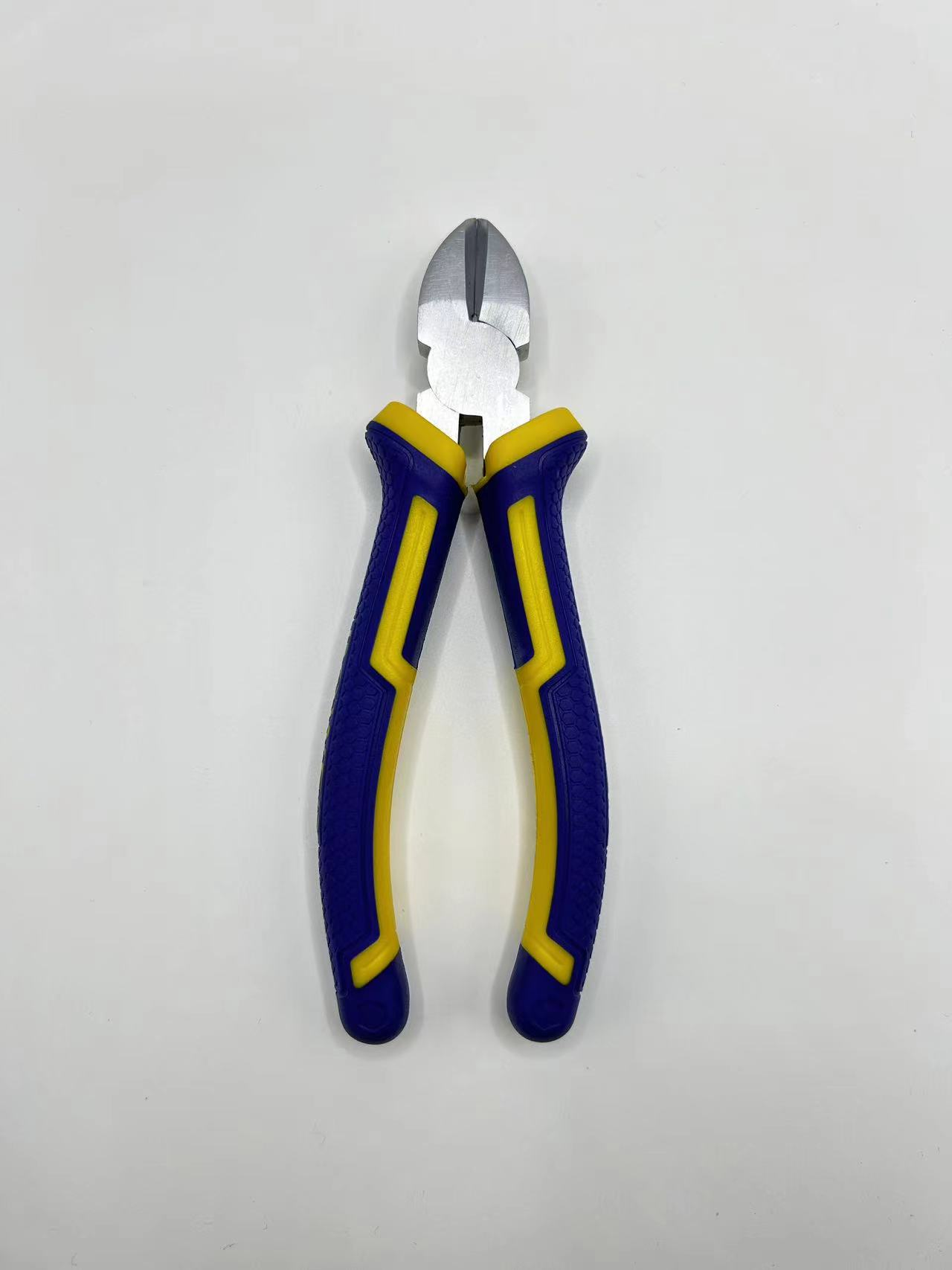
Why Crimping Tool Precision Directly Lowers Rework RatesPrecision in a crimping tool is the first control point for reliable high-volume assembly. Small dimensional drift creates downstream failures that require recurring rework.The root cause: Manua...
VIEW MORE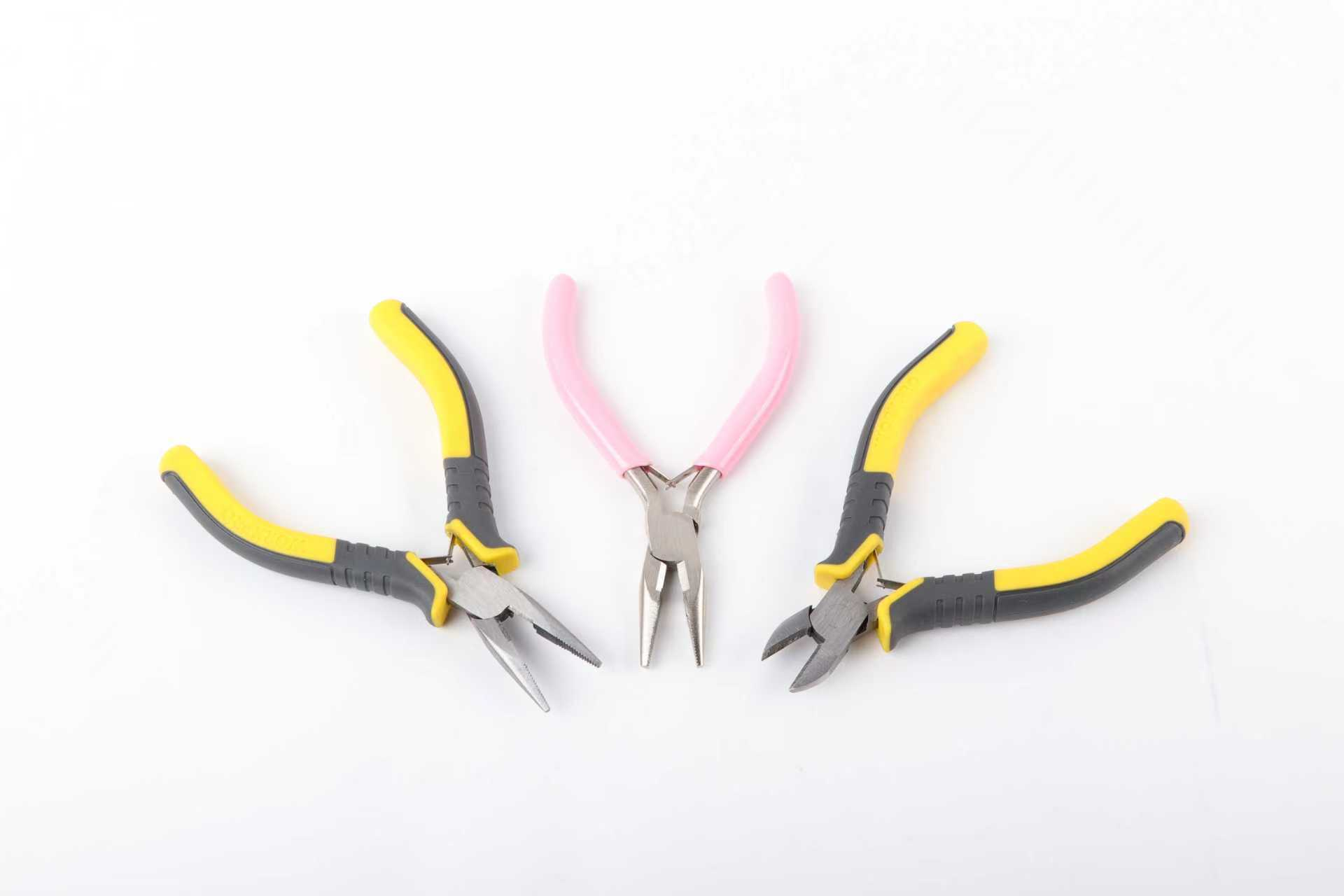
Precision Calibration and Quality Assurance for Reliable Crimping Tool Performance A dependable crimping tool depends on calibrated force, alignment, and dimensional control. Without routine calibration, even premium terminals can fail prematurely—t...
VIEW MORE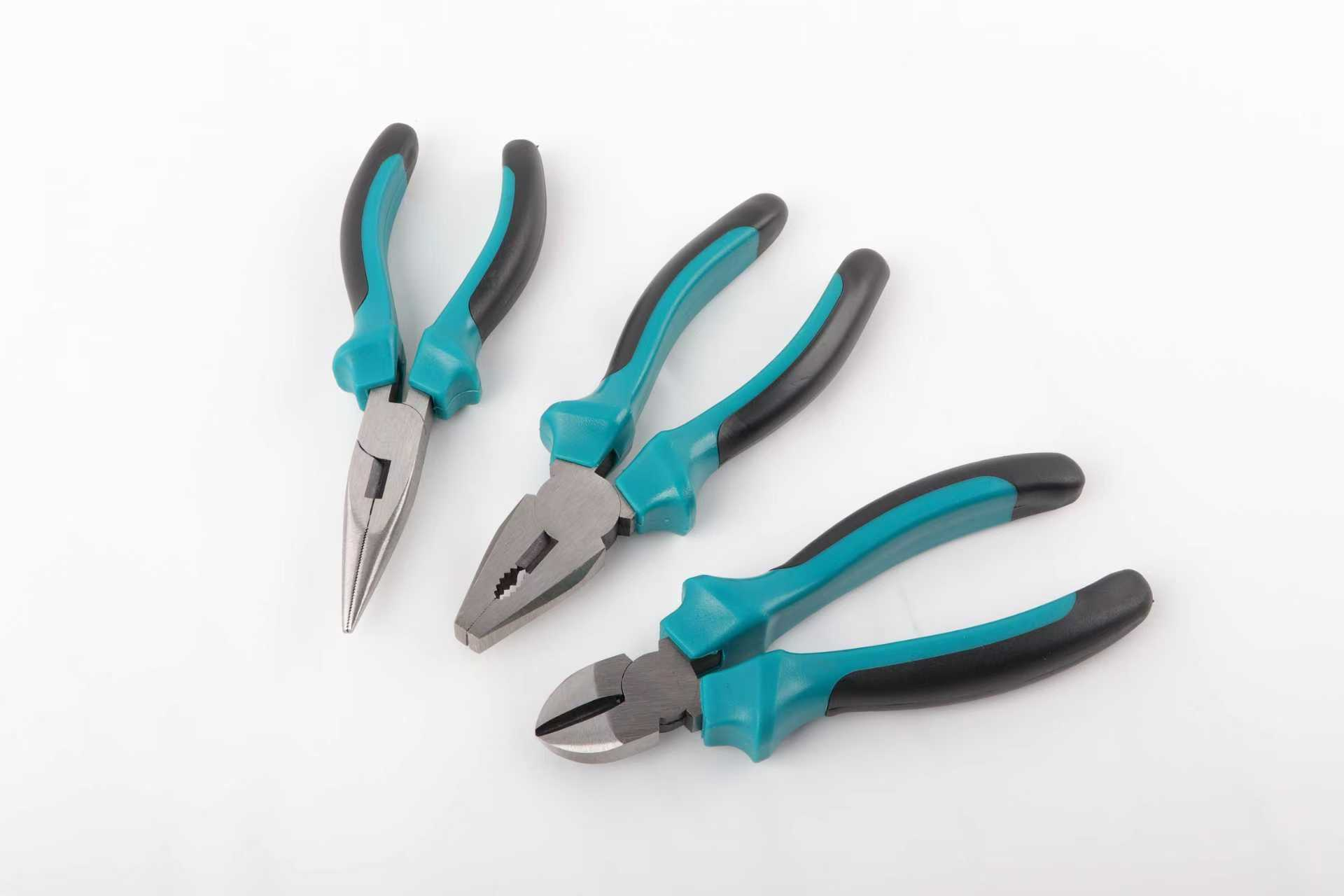
Crimp Force Precision: The Core Driver of Long-Term Crimping Tool Durability Why consistent crimp force—not just maximum capacity—prevents mechanical fatigue and extends tool life A crimping tool’s maximum force rating is not the primary predictor ...
VIEW MORE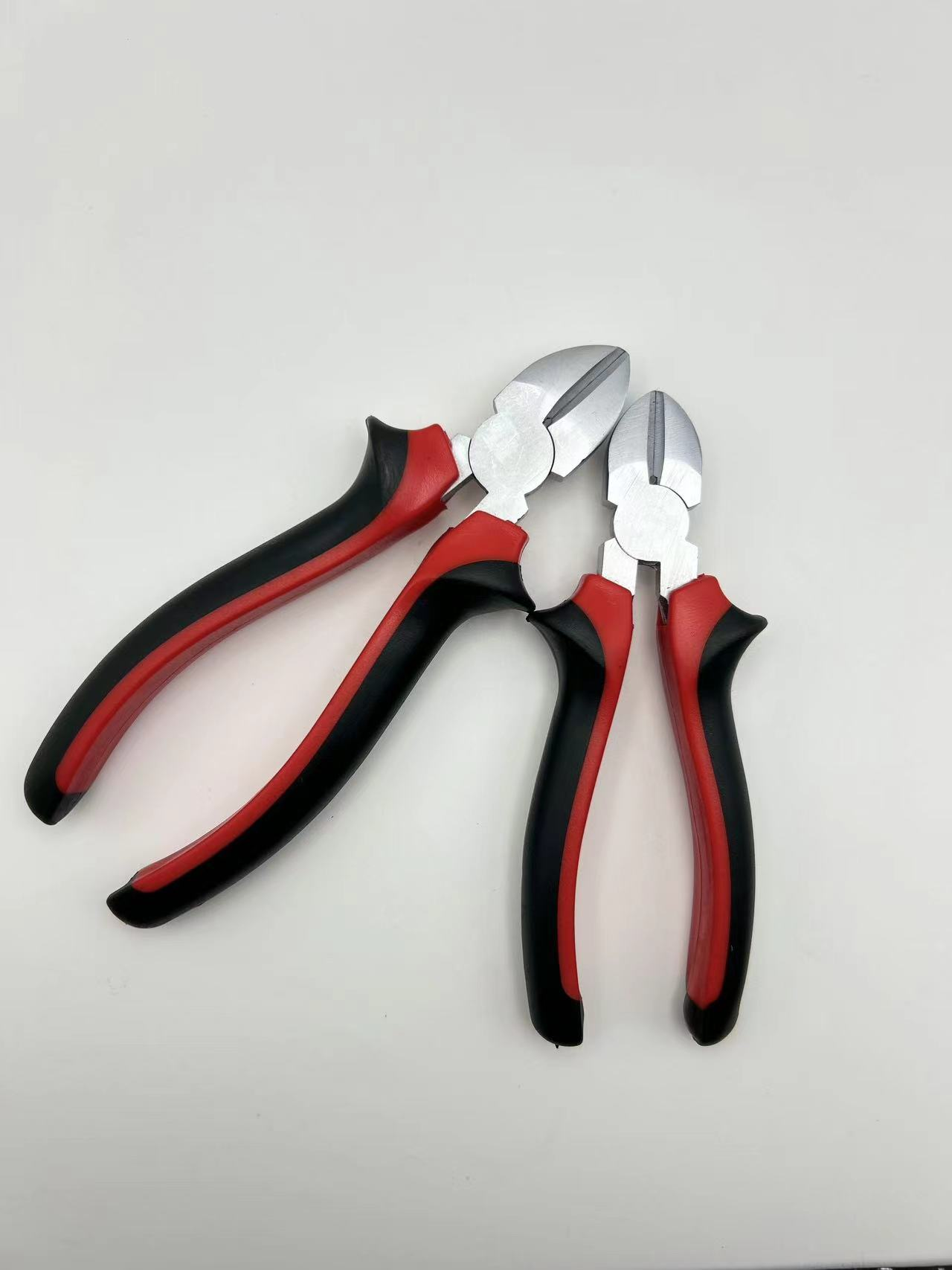
Core Capabilities: Stripping and Crimping Performance at Scale Dual-action precision: How integrated crimping jaws reduce tool-switching latency in high-volume assembly In high-volume assembly, every tool change interrupts workflow and invites er...
VIEW MORE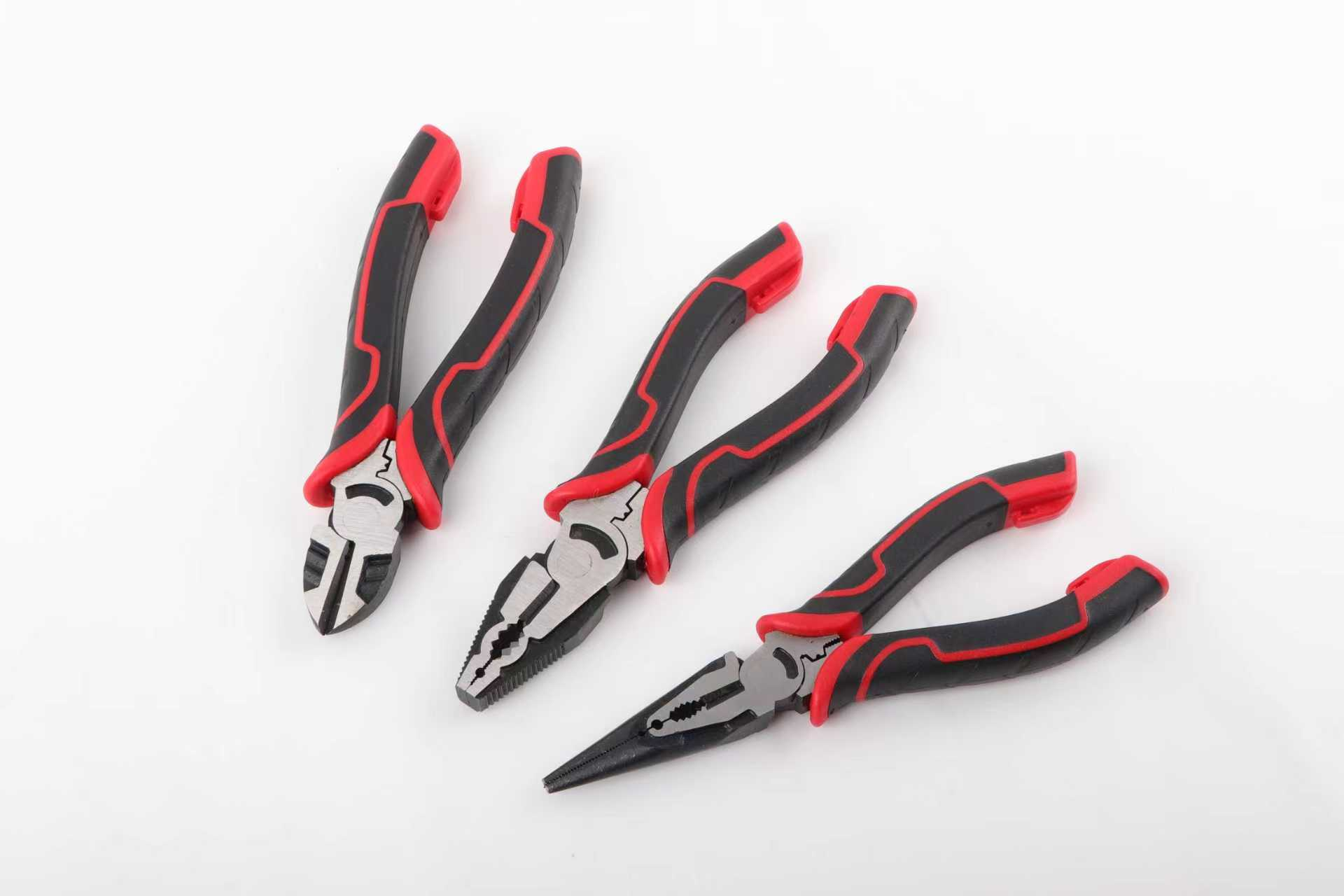
Choosing the Right Wire Stripper for Your ApplicationSelecting the right wire stripper starts with understanding the wire: conductor material (copper or aluminum), solid vs. stranded construction, insulation type, and precise American Wire Gauge (AWG...
VIEW MORE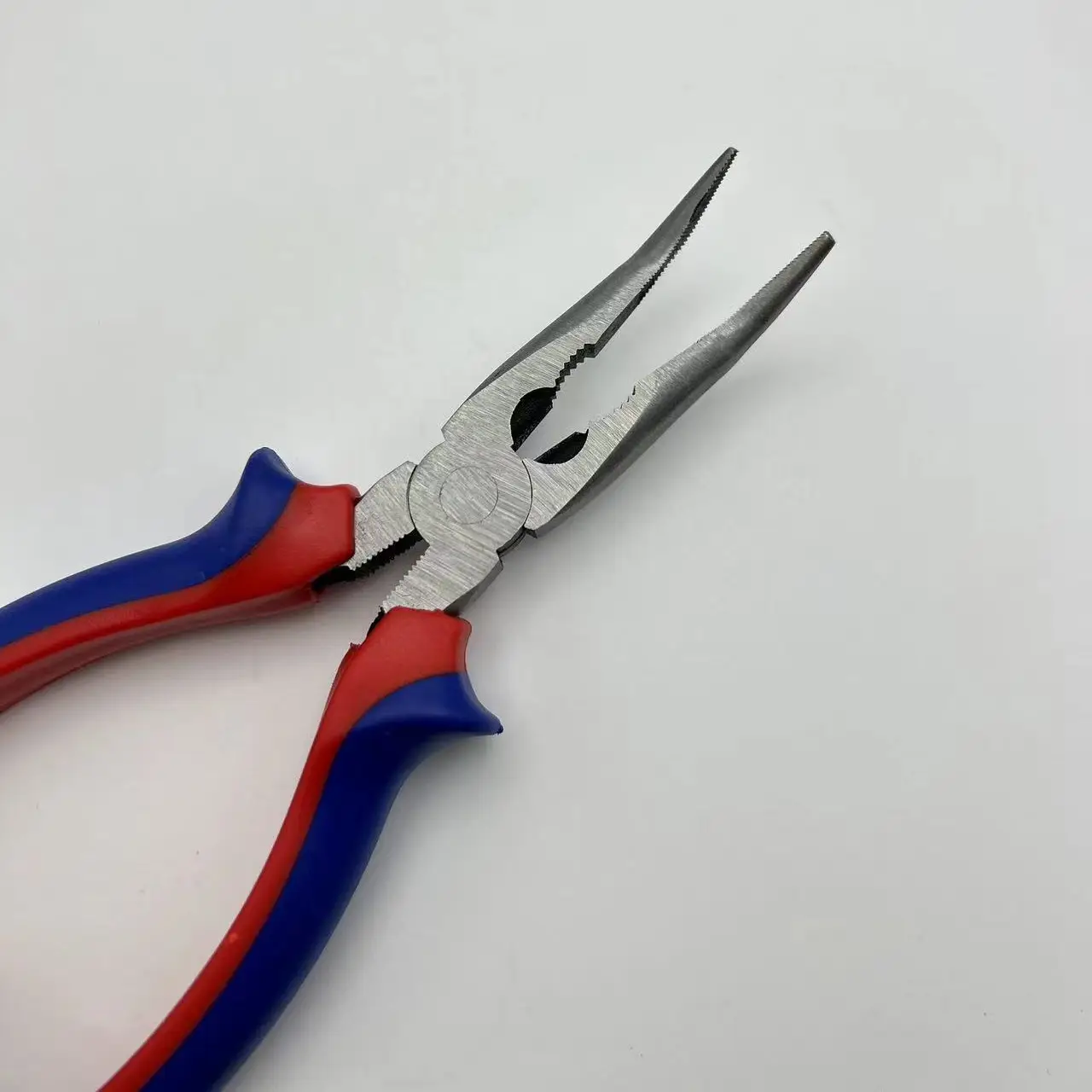
Time Savings and Precision: The Core Efficiency Gains of a Premium Wire Stripper Reduced Stripping Time per Wire Through Consistent Blade Engagement A high-quality wire stripper eliminates guesswork by using machined jaws and a precisely controlled...
VIEW MORE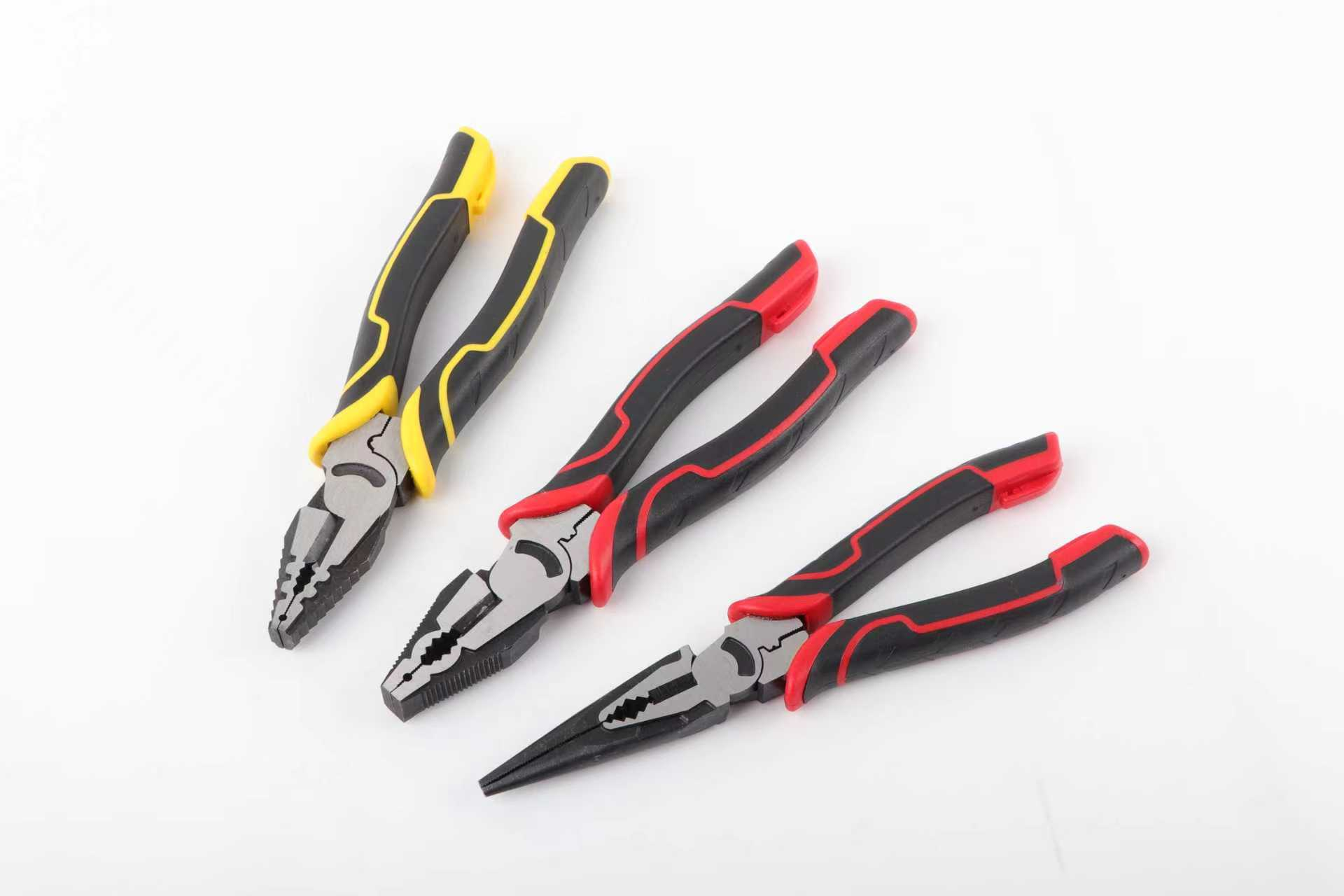
Understand Core Wire Stripper Types and Their Industrial Use CasesIndustrial cable processing spans manual hand tools to automated non-contact systems. Matching the right wire stripper type to production volume, cable complexity, and quality requirem...
VIEW MORE
Core Function: Precision Stripping Without Conductor Damage A dependable wire stripper must remove insulation cleanly while preserving the full cross-section of the conductor. The two key factors are blade geometry and calibration—both validated by ...
VIEW MORE
Material choice decides more about a tool range than any marketing budget. Two pliers can look identical in a shelf photo and behave completely differently in a customer's hand, and the gap usually traces back to one decision: the steel. For global...
VIEW MORE
Bulk buying turns small mistakes into expensive ones. A container that holds ten thousand pliers magnifies every shortcut taken at the purchasing desk: the vague specification, the skipped hardness check, the inspection that never happened. Most pr...
VIEW MORE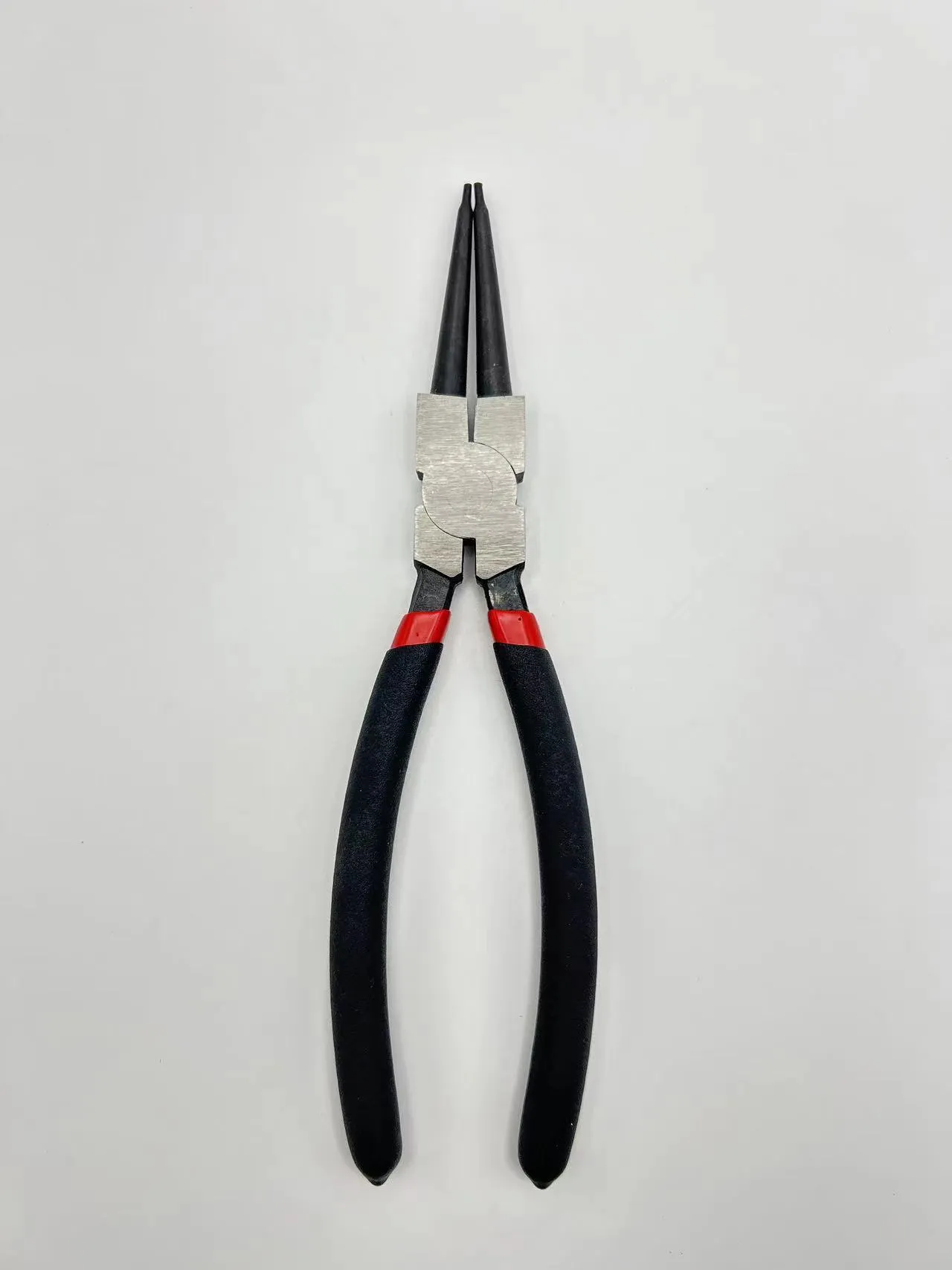
Every tool wholesaler hits the same wall eventually. The catalog sells generic pliers at generic margins, the premium brands own the shelf space, and the buyer in the middle wonders where the profit went. Custom manufacturing is the usual answer, a...
VIEW MORE
Walk any active jobsite and the tool crib tells a story. Some pairs still open smoothly after a year of abuse; others sit in the corner with chipped edges and a loose pivot, waiting for the bin. Choosing durable pliers for heavy-duty construction m...
VIEW MORE EN