 EN
EN

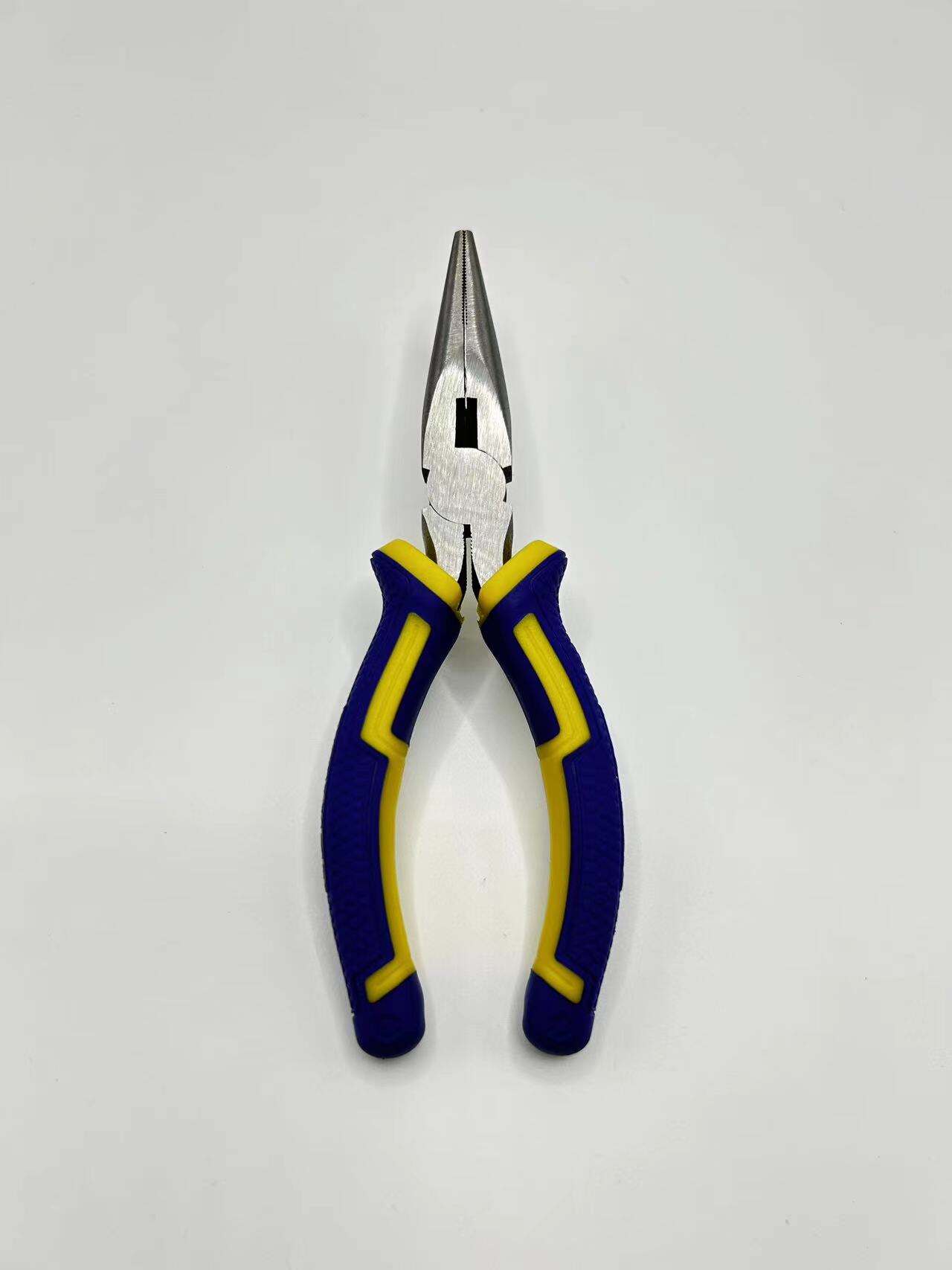
Why Professionals Choose a Versatile Pliers Set
The Core Advantage: One Pliers Set Replacing Task-Specific Tools
Professionals consistently prioritize versatile pliers sets because they eliminate the need for multiple specialized tools. A single comprehensive kit replaces individual pliers for cutting, gripping, bending, and crimping—reducing tool clutter by up to 70%, according to 2023 trade efficiency reports. This consolidation delivers three measurable benefits:
- Time savings: No more searching through scattered tools, cutting task transition time by 15 minutes per hour
- Cost efficiency: One set costs 40% less than purchasing equivalent single-function tools separately
- Space optimization: Compact cases occupy 80% less storage than individual tool rolls
Electrical technicians, for example, use needle-nose pliers from the same set for precision wire work and combination pliers for heavy-duty cable cutting—all without switching kits. This multifunctionality proves critical in mobile repair scenarios where space and accessibility are constrained.
Material, Heat Treatment, and Jaw Geometry: What Makes a Pliers Set Truly Multi-Spec
What makes a good pliers set so versatile? Three main parts work together to get the job done right. The base material is usually high carbon steel rated around 55 to 62 on the Rockwell scale, which means it can withstand bending and twisting forces over time without losing shape. Then there's the heat treatment process that gives these tools their strength without making them brittle. This balance matters a lot when someone needs to grip everything from delicate copper wires to tough aircraft cables. Finally, the actual shape of the jaws determines what kind of tasks each pair can handle best, whether it's cutting, gripping, or bending different materials.
| Feature | Performance Impact | Multi-Task Example |
|---|---|---|
| Serrated grips | Prevents slippage on smooth surfaces | Securely holding pipes or bolts |
| Tapered noses | Accesses confined spaces (down to 2mm gaps) | Electronics repair & jewelry work |
| Angled cutters | Enables flush cuts near surfaces | Trimming wires without damaging insulation |
These elements combine to create tools that adapt across disciplines. Diagonal cutters with hardened edges and optimized leverage ratios, for instance, can cleanly sever both delicate thermostat wires and 10-gauge electrical cables—a flexibility confirmed in 2024 tooling stress tests showing 90% retained edge sharpness after 5,000 cuts.
How Pliers Set Size Impacts Real-World Versatility
Selecting the right pliers set size directly influences your efficiency across diverse tasks. While smaller sets maximize portability, larger collections offer broader specialization—but sheer quantity isn’t the sole determinant of functional adaptability.
4-Piece vs. 8-Piece vs. 12-Piece: Matching Pliers Set Scale to Application Needs
Most folks start with a small 4 piece pliers kit that usually has combination pliers and those diagonal cutters everyone needs for simple electrical jobs around the house or basic DIY stuff. When things get a bit more serious, eight piece sets become popular because they throw in needle nose pliers and those heavy duty lineman's pliers that are absolute lifesavers for working on cars or fixing pipes. The bigger 12 piece versions come packed with all sorts of specialty tools like locking pliers that grip tight without slipping, or bent nose cutters for tricky angles. A lot of pros actually stick with the 8 piece kits though. They offer plenty of options without taking up too much space in a toolbox, which makes sense when every inch counts during job site organization.
Beyond Count: Why Functional Differentiation Matters More Than Quantity in a Pliers Set
A “12-piece” label holds little value if jaw designs lack task-specific engineering. Consider these critical factors overshadowing pure unit count:
- Material quality: Chrome-vanadium steel jaws withstand repeated stress better than low-grade alloys.
- Ergonomics: Handle lengths between 7–8 inches (180–200 mm) optimize leverage and control.
- Jaw variance: Cross-hatched grips for pipes, serrated edges for wires, and flush-cutting surfaces ensure specialized performance.
A thoughtfully curated 6-piece pliers set with distinct, high-grade tools often outperforms cheaper 12-piece bundles riddled with redundant or flimsy components.
Key Plier Types Found in High-Performance Pliers Sets
Combination, Needle-Nose, Lineman’s, and Diagonal Cutters: Roles and Interchangeability
A good pliers collection should include at least four different types to cover most professional needs. Combination pliers work great as all-rounders when dealing with odd-shaped items, and needle nose versions get into tight spots thanks to their narrow, pointed ends. Lineman pliers are basically the go-to choice for working with electrical cables since they offer extra strength for twisting and cutting. Diagonal cutters come in handy when trimming wires close to surfaces where bigger tools just won't fit. While there is some crossover between them – sometimes lineman pliers can handle diagonal cuts – each tool really shines in what it was designed for. Take diagonal cutters for instance, they leave much neater cuts right next to walls or panels than other options do. Using the wrong tool for the job matters too. Trying to torque bolts with lineman pliers often leads to bent jaws and shorter life span overall.
When 'Multi-Function' Crosses into Compromise: Evaluating Precision Trade-Offs
Trying to pack too much functionality into one tool usually ends up hurting performance instead of helping it. Take those multi-jaw tools that promise both wire stripping and crimping functions all in one device. According to various mechanical stress tests, these kinds of tools tend to have about 15 to 20 percent less grip strength compared to their specialized counterparts. The same goes for combo cutters with built-in nut gripping features. These tend to mess up the shear precision, which means wires get frayed more easily during cutting operations. For anyone working professionally, sticking to tools designed for specific tasks makes all the difference. Diagonal cutters made specifically for clean cuts keep their blade edges sharper for longer periods. Needle nose pliers that focus only on fine detail work don't suffer from the thickness issues that come with trying to do everything at once. When dealing with applications where safety matters most, nobody wants to risk compromising quality just because they grabbed whatever tool was handy.
Selecting the Right Pliers Set: A Practical Decision Framework
When picking out pliers, there are several key factors worth considering. Start by thinking about what kind of work these tools will actually be doing. For electrical jobs, look for those with proper insulation ratings like VDE certification. Mechanics working on cars need something tougher though, so chrome vanadium steel jaws rated around 120k PSI according to ASTM standards make sense here. Comfort matters too when using them all day long. The right handle design can really cut down on hand soreness after hours of work. Some tests have found that ergonomically shaped grips can slash fatigue by almost half compared to plain old handles. Don't forget about rust protection either. If tools might see salty air or moisture regularly, go for zinc-nickel coatings instead of regular chrome plating since they hold up three times better in harsh conditions. Most folks find that a basic six piece collection works for about 90% of everyday fixes including standard pliers, needle nose types, and diagonal cutters. Specialized versions exist for things like crimping wires or cutting fence wire but most people won't need those unless they're in a very specific trade. Before buying any mid priced set though, always check how well the jaws line up and whether the joints move smoothly. A surprising number of cheaper sets fail early because of poor manufacturing quality.
FAQ Section
What are the benefits of using a versatile pliers set?
Versatile pliers sets eliminate the need for multiple specialized tools, offering benefits like time savings, cost efficiency, and space optimization.
What materials are commonly used for high-quality pliers?
High-quality pliers typically use high carbon steel, rated between 55 to 62 on the Rockwell scale, and undergo a heat treatment process for strength and durability.
How do I choose the right pliers set size?
Choose based on your task needs; smaller sets offer portability while larger sets provide specialized tools.
What should I look for when selecting a pliers set?
Look for material quality, ergonomics for comfort, jaw variance for specific tasks, and consider your specific trade’s requirements.