 EN
EN

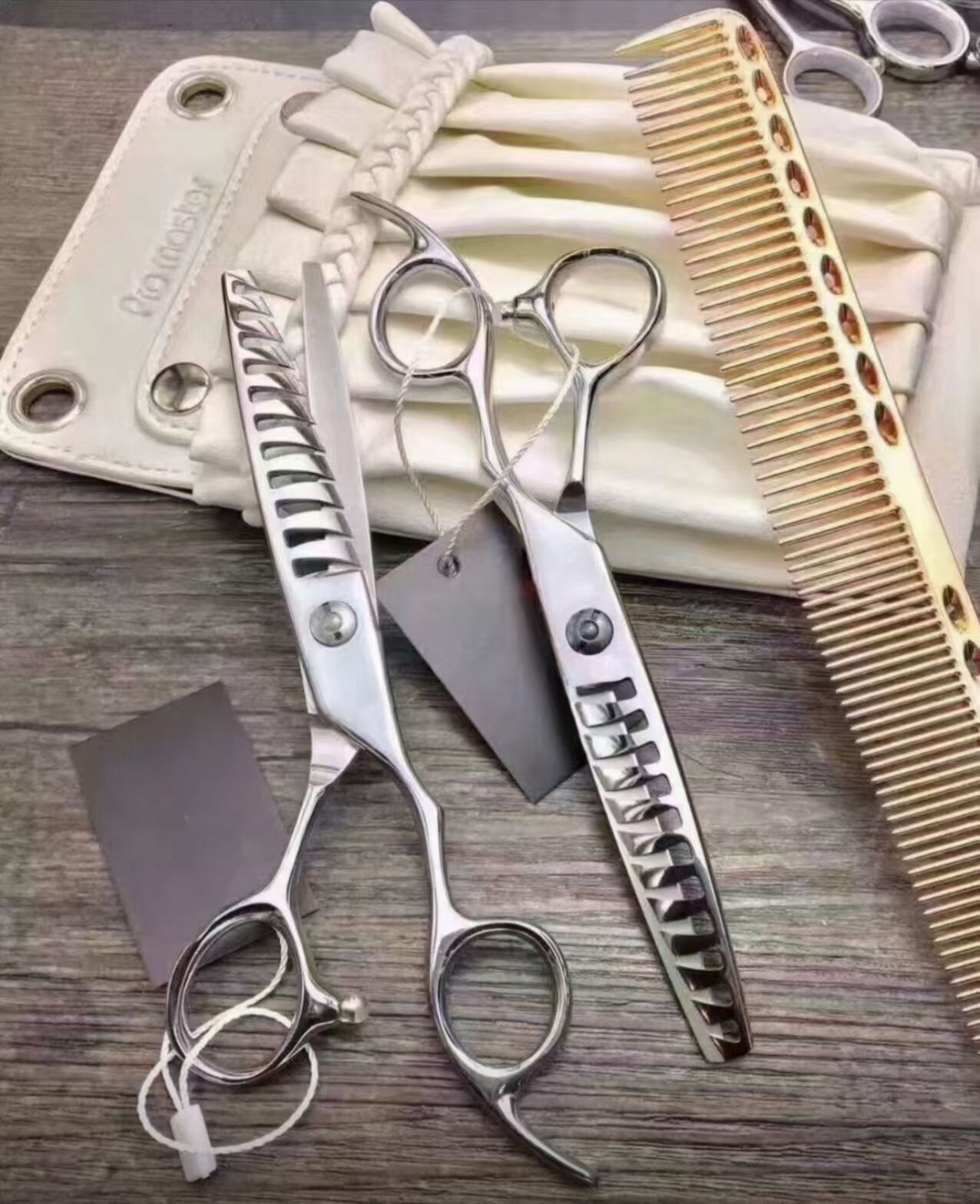
What Defines Efficient Thick-Wire Cutting in Industrial Scissors?
The critical role of mechanical leverage and jaw geometry in industrial scissors design
Cutting thick metal wires efficiently really depends on how well force gets transferred through the tool's mechanics. Industrial grade scissors are designed with long handles that multiply the force applied by users somewhere between 5 to 8 times what they put in, which means people don't have to grip as hard at all. The way these blades are shaped matters too. Most good quality models have jaws angled around 15 to 22 degrees with sloped edges that create those sharp contact points needed to actually break through the wire core without slipping off. This design stops the metal from getting bent out of shape and cuts down on that annoying spring back effect, something that becomes super important when dealing with tough steel wires over 5mm thick. For serious work, look for scissors with heat treated chromium vanadium steel blades that hold their edge at about 58 to 62 on the Rockwell scale. These can stand up to repeated hits from wires impacting them at around 2,500 pounds per square inch without the cutting edge getting rolled over time.
Why 'scissors'—not bolt cutters or shears—must meet specific force-transfer criteria for wire cutting
Industrial scissors work differently from regular bolt cutters or standard shears. While those tools apply pressure at right angles or push materials apart, industrial models use a special cross-blade technique designed specifically for different wire sizes. When these specialized scissors cut, they create balanced pressure across one flat surface. This helps keep wires from getting bent out of shape and cuts down on problems caused by tension in the wire by around two thirds during tough cutting jobs. The result? Much cleaner cuts with almost no rough edges left behind (less than half a millimeter), which matters a lot when making cables for airplanes or other situations where precision counts. These purpose made tools have specially shaped jaws with hard wearing surfaces that actually hold the wire steady while cutting. This stops the wire from moving sideways during the cut something ordinary metal shears just can't do properly.
Blade Material & Hardness: How Industrial Scissors Sustain Edge Integrity on Hardened Wires
Comparing Cr-V, S2, and HRC 58–62 tool steels for repeated thick-wire scissoring
When it comes to industrial scissors, the right tool steel makes all the difference since these cutters have to stand up to constant pounding from tough wires. Chromium vanadium steel strikes a nice middle ground with hardness around HRC 55 to 60 while still absorbing shocks pretty well, which works great for occasional cutting tasks. Then there's S2 tool steel that really shines when things get rough because of its silicon content, though it does wear down faster than other options over time. For those long hours spent slicing through spring steel or piano wire, going with harder steels in the HRC 58 to 62 range keeps blades sharp much longer. Factory workers report needing replacements roughly 40% less often compared to standard materials, which adds up to big savings on maintenance costs in the long run.
| Steel Type | Hardness (HRC) | Impact Resistance | Best Application |
|---|---|---|---|
| Cr-V | 55–60 | Moderate | General-purpose wire cutting |
| S2 | 56–58 | High | Shock-prone environments |
| HRC 58–62 | 58–62 | Low–Moderate | Hardened/stainless wires |
Heat-treated vs. through-hardened blades: Impact on longevity and resistance to chipping
Blades treated with surface heat have a tough outer layer (around 60 HRC or higher) sitting atop a softer core material. This design helps them stand up against those tiny cracks that form when wires aren't perfectly consistent. On the flip side, through-hardened blades are uniformly hard throughout but tend to be more brittle. We've seen these types chip about 3 times out of 10 when working with rough surfaces. When it comes to industrial grade scissors used for slicing through thick cables, selective surface hardening keeps the blade sharp after thousands upon thousands of cuts, maybe even 20k plus, all while still resisting cracks. Choosing between these options really boils down to what kind of materials need cutting. If everything is pretty standard size, go with through-hardened. But when dealing with mixed scrap where sizes vary wildly, nothing beats the durability of those surface treated blades.
Real-World Performance: Industrial Scissors vs. Alternatives for Metal Wire Applications
Industrial scissors work best when clean edges and fine control are needed, especially for tasks like removing burrs from wire ends, trimming cables, or working on hardened steel parts in tight spots. Bolt cutters definitely pack more power for wires over 10 mm diameter, but they're too big to handle comfortably and can easily damage nearby components in complex assemblies. Oscillating tools with carbide blades do cut through materials quickly, but come with problems too. They vibrate a lot and produce heat that might change the metal properties right around the cut area according to what we know about materials. When dealing with softer metals such as copper or aluminum wiring up to about 8 mm thickness, there's also an option with coated metal cable saws that won't break the bank. The downside? Blades tend to get tangled when making those tricky curved cuts.
Crucially, scissors outperform alternatives in three key scenarios:
- Repetitive cuts requiring consistent blade alignment (e.g., stripping insulation without conductor damage)
- Environments demanding minimal spark risk (ATEX-rated hydraulic or pneumatic scissors are available)
- Operations prioritizing clean sheared edges over raw cutting speed
When dealing with hardened steel wires, carbide grit blades just aren't up to the task because they tend to suffer from work hardening issues. On the other hand, S2 tool steel scissor blades maintain their sharpness through over 500 cuts without significant wear. For operations that require constant cutting throughout the day, having scissors with replaceable blades makes all the difference compared to stopping everything for grinding or trying to resharpen worn tools. According to findings from the latest Wire Processing Efficiency Report published last year, manufacturers saw around 35 percent less scrap metal waste when they switched from makeshift cutting solutions to properly designed industrial scissors specifically for aerospace wiring harnesses.
FAQ
What makes industrial scissors better than bolt cutters for wire cutting?
Industrial scissors allow for cleaner cuts with sharper edges, minimizing deformation and tension issues in wire cutting compared to bolt cutters. They are especially useful for precision tasks.
Why is blade material and hardness important in industrial scissors?
The blade material and hardness determine the tool's durability and efficiency in cutting thick metal wires. Efficient scissors use materials like Cr-V and S2 tool steels that provide balanced hardness and shock resistance.
How do heat-treated blades differ from through-hardened blades in industrial scissors?
Heat-treated blades have a tough outer layer on a softer core, providing durability against surface cracks, while through-hardened blades are uniformly hard but more brittle and chip often.
In what situations do industrial scissors outperform other cutting tools?
Industrial scissors excel in repetitive cuts requiring alignment, environments demanding minimal spark risk, and operations prioritizing clean sheared edges over speed.
Table of Contents
- What Defines Efficient Thick-Wire Cutting in Industrial Scissors?
- Blade Material & Hardness: How Industrial Scissors Sustain Edge Integrity on Hardened Wires
- Real-World Performance: Industrial Scissors vs. Alternatives for Metal Wire Applications
-
FAQ
- What makes industrial scissors better than bolt cutters for wire cutting?
- Why is blade material and hardness important in industrial scissors?
- How do heat-treated blades differ from through-hardened blades in industrial scissors?
- In what situations do industrial scissors outperform other cutting tools?