 EN
EN

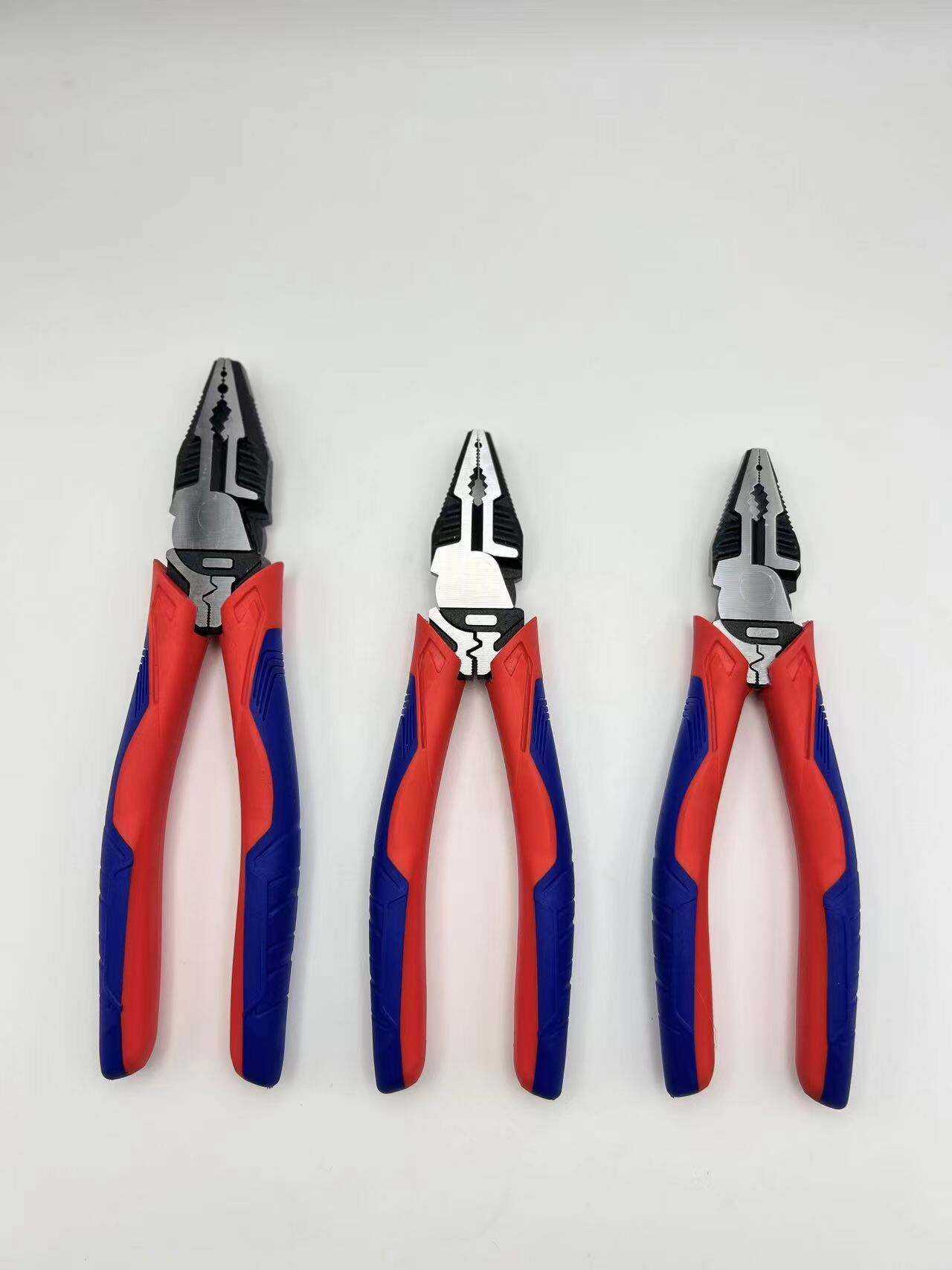
Critical Safety Compliance: 1000V Insulation and Authentic VDE Certification
Why 1000V-rated insulation is mandatory—not optional—for bulk electrical repair tools
When working on electrical systems, technicians often deal with live wires carrying voltages as high as 1000 volts. Using pliers that aren't properly insulated or rated for these conditions creates serious hazards. We're talking about things like dangerous arc flashes, potential electrocution risks, and even complete tool failure when subjected to heavy loads. The VDE/IEC 60900 standard requires strict testing procedures before any tool gets certified. These tests include checking if the tools can handle 10,000 volts without breaking down, seeing how they perform after being submerged in water, and making sure they stand up to regular wear and tear. Shops that invest in truly certified equipment tend to see fewer accidents involving electricity. From a business standpoint, buying certified gear goes beyond meeting regulations. It actually protects workers and reduces legal risks down the road. Tools that lack proper certification simply don't last as long when exposed to heat and physical stress. This means more frequent replacements and higher long term costs, not to mention increased danger for everyone on site.
How to verify genuine VDE/IEC 60900 certification (and avoid counterfeit 'VDE-like' pliers at scale)
Authentic VDE/IEC 60900 certification requires three non-negotiable verifications:
- Permanent laser-engraved VDE triangle marks (not adhesive stickers), each bearing a traceable registration code
- Matched documentation specifying test dates, voltage thresholds, and batch identifiers
- Cross-validated status in the official VDE Institute database
Counterfeit tools often use deceptive labeling like “VDE-Style” or “1000V Rated” without certification. Bulk buyers must:
- Require original, batch-specific test certificates from manufacturers—not generic brochures
- Conduct random batch inspections using UV lights to detect inconsistencies in molding, color, or insulation texture
- Confirm chrome-vanadium steel composition via spark testing or mill-certified material reports
These steps prevent deployment of substandard insulation prone to cracking, delamination, or dielectric breakdown under real-world load—failure modes consistently linked to counterfeit pliers in incident investigations.
Performance-Driven Construction: Forged Chrome-Vanadium Steel and Precision Jaw Design
Forged vs. Stamped Combination Pliers: Durability, Fatigue Resistance, and Long-Term ROI in High-Volume Use
Chrome vanadium steel that's been forged sets the standard for serious combo pliers in the trade world—not because it sounds fancy, but because the metal actually works better. When manufacturers forge these tools instead of stamping them out, they're basically squishing the grain structure together. According to some research from Materials Performance Journal, this makes the steel about twice as resistant to getting tired after repeated use. What does that mean on the job site? Forged pliers can handle well over 50 thousand bend cycles before breaking down—that's roughly three times what most stamped ones last. Shops that go through a lot of tools will see real money savings too. Take a crew with 100 forged pliers working every day for five years, they need to replace them around 60 percent less often than if they were using stamped ones, per Industrial Maintenance Reports from 2023. Anyone doing lots of cutting wires, twisting terminals, or crimping connections knows how important this is. The denser structure of forged steel just doesn't crack as easily under stress, which means no unexpected failures when things matter most.
Jaw Geometry Essentials: Balancing Wire Cutting, Gripping, and Terminal Crimping Accuracy in One Tool
Precision jaw geometry transforms general-purpose pliers into purpose-built electrical instruments. Three interdependent features define performance:
- Cutting Edge Angulation (62–65°): Enables clean, burr-free shearing of copper conductors without deforming adjacent strands
- Serration Pitch (0.8–1.2 mm): Provides secure grip while minimizing insulation compression or nicking
- Nose Taper Ratio (4:1): Allows full leverage access into enclosures ¥19 mm deep without slippage or jaw deflection
These specs work together to achieve around 98 percent crimp accuracy for terminals sized between 10 and 22 AWG while keeping cutting tolerances within plus or minus 0.15 mm. Research shows when there are even small deviations from these standards, repair tasks take about 34% longer and mistakes happen roughly 27% more often according to a recent report from Electrical Contractor Efficiency Review back in 2024. The material matters too. Chrome vanadium steel stays stable even when temps reach up to 250 degrees Celsius, which means it keeps performing reliably right next to those hot spots we all know too well like overheated breakers, transformers, and busbars on busy job sites.
Top Electrical-Grade Brands: Klein, Knipex, Bahco, and What Their Combination Pliers Deliver
Comparative strengths: Klein’s insulated ergonomics, Knipex’s micron-level jaw tolerance, and Bahco’s corrosion resilience
When it comes to meeting those tough industrial electrical specs, three brands stand out again and again, each with their own special strengths that matter a lot on the job site. The US company has really focused on making tools comfortable to hold for long periods. Their handles are shaped just right with two different materials, which cuts down hand fatigue by about 30% when workers twist terminals over and over all day in busy repair shops. German made tools take another approach entirely. They're all about getting things exactly right at the microscopic level. These Knipex pliers stay aligned within 0.05 mm even after doing 10,000 crimps straight through without messing up the terminals or creating bad connections. Then there's Bahco from Scandinavia. These guys mix their own special anti-corrosion coating with strong chrome vanadium steel. The result? Tools last three times longer than normal ones in places like seaside installations or chemical plants where regular tools start rusting and breaking down completely within half a year.
| Attribute | Industrial Impact | Long-Term Value |
|---|---|---|
| Ergonomic Insulation | 22% fewer repetitive strain injuries (OSHA 2023) | Reduced worker compensation claims |
| Jaw Precision | 0.2% error rate in terminal connections | Elimination of rework costs |
| Corrosion Defense | 3x lifespan in coastal climates | Lower replacement frequency |
For bulk procurement, consistency matters most: jaw geometry variance exceeding 0.1 mm across batches undermines crimp reliability in automated workflows and increases field rejection rates. Independent VDE certification audits verify dielectric integrity beyond surface markings—counterfeit tools account for 17% of workshop electrical incidents annually.
Bulk Procurement Best Practices: Consistency, Warranty, and Supply Chain Trust
Getting reliable bulk combination pliers requires attention to three key areas. The first step is making sure manufacturers stick to consistent standards. This means asking for all the necessary documentation like material certificates, heat treatment records, and specs on how precisely parts are made. Companies should also put in place proper sampling methods that actually work statistically speaking. When it comes time to place big orders, don't just take the manufacturer's word for it. Take some samples straight off the production line and check them out yourself. Look at things like whether the insulation holds up, if the jaws line up properly, and verify the hardness levels. These tests help confirm that what arrives in shipment matches what was promised in the first place.
Second, negotiate comprehensive warranty terms covering premature wear, material defects, and dielectric failure. Seek suppliers offering minimum 10-year coverage with transparent, no-hassle claim processes. Electrical tools in high-volume environments experience 28% more mechanical and thermal stress than individual-use models—robust warranties protect against accelerated degradation in demanding repair cycles.
Building real trust means working closely with suppliers across the entire supply chain. Regular checks should happen at suppliers' facilities looking at where materials come from, how they track quality throughout production, and what steps they take against fake products getting into the mix. Companies need to work mainly with partners who have proper ISO 9001 paperwork showing their quality systems are solid. For things like insulated tools, checking if they meet IEC 60900 standards isn't just paperwork - this actually affects whether workers stay safe when using them. Setting common goals makes sense too. Looking at numbers like defects found in batches of around ten thousand units helps everyone understand what's working and what needs fixing over time.
FAQs
What is VDE certification and why is it important?
VDE certification ensures that electrical tools meet strict safety standards, reducing the risks of arc flashes and electrocution during use.
How can I verify the authenticity of VDE-certified tools?
Check for permanent laser-engraved VDE triangle marks and traceable registration codes, matched documentation, and cross-validate with the official VDE Institute database.
Why should companies invest in forged chrome-vanadium pliers?
Forged pliers are more durable, offering resistance to fatigue and longer lifespan compared to stamped pliers, thereby reducing replacement costs.
What are the key features of precision jaw geometry?
Precision jaw geometry includes cutting edge angulation, serration pitch, and nose taper ratio, which enhance wire cutting, gripping, and terminal crimping accuracy.
Table of Contents
- Critical Safety Compliance: 1000V Insulation and Authentic VDE Certification
- Performance-Driven Construction: Forged Chrome-Vanadium Steel and Precision Jaw Design
- Top Electrical-Grade Brands: Klein, Knipex, Bahco, and What Their Combination Pliers Deliver
- Bulk Procurement Best Practices: Consistency, Warranty, and Supply Chain Trust
- FAQs