 EN

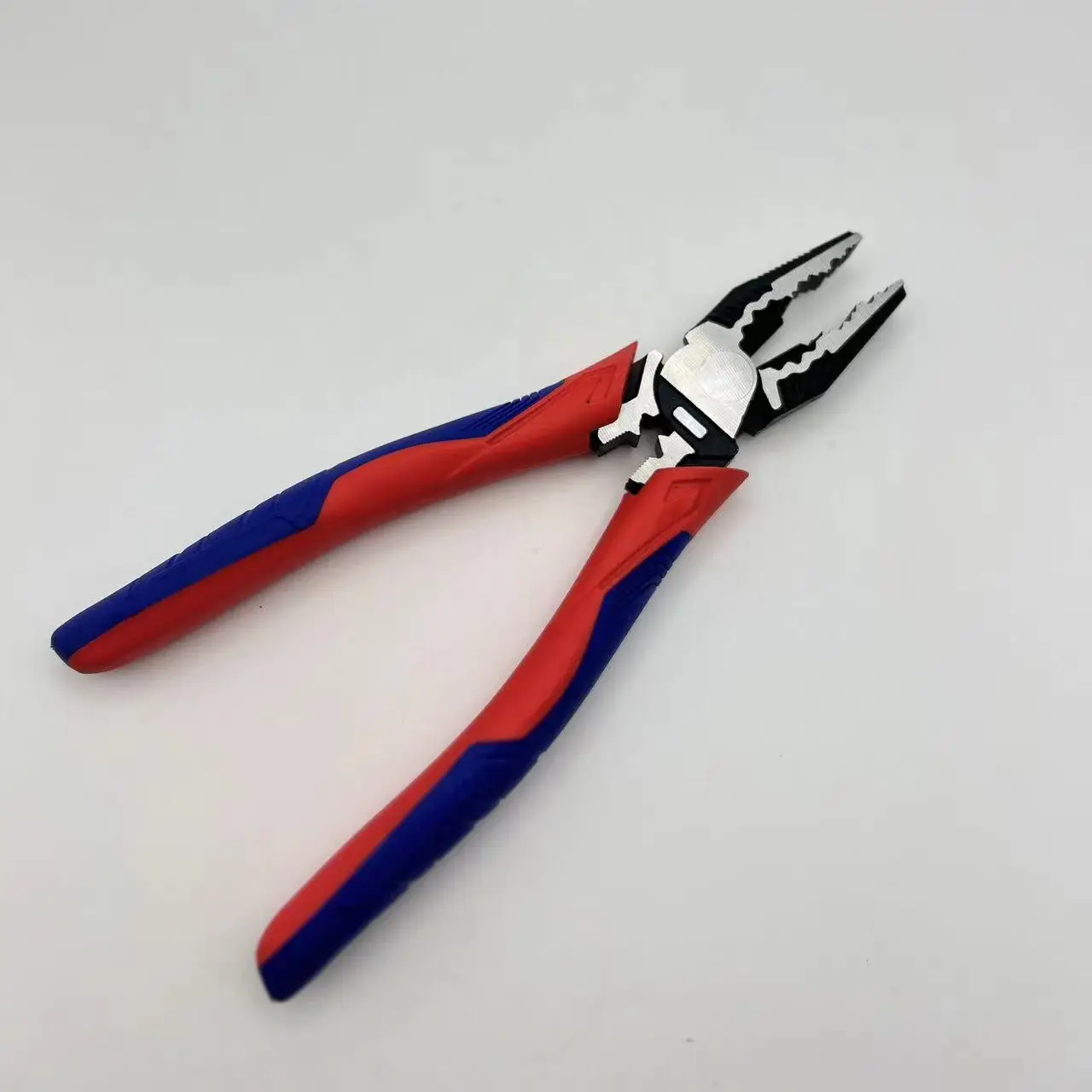
Industrial-grade pliers occupy an unglamorous corner of every tool catalog, and that is exactly why they deserve scrutiny. One weak batch can jam a production line, idle an electrician's van, or fill a returns bin. Yet most purchasing decisions still start and end with a unit price. This guide covers the checks that separate dependable heavy-duty hand tools from a gamble: material, forging, heat treatment, inspection points and supplier audit.
What One Distributor Learned From a Cheap Batch
Background and problem: a cheap batch that flooded the returns bin
Background first. A European distributor of professional tools had served contractors for about a decade when a new purchasing manager came under pressure to cut costs. A supplier offered diagonal-cutting pliers roughly thirty percent below the market norm, quoted a flexible MOQ, and the pre-shipment sample looked clean. A first container of heavy-duty hand tools was approved. No supplier audit had been run, and nobody had asked how the steel was forged or heat treated.
Failures surfaced within weeks. Serrated jaws slipped on galvanized wire that previous batches gripped without complaint. Cutting edges chipped after light use, and pivots developed play that made each tool feel loose. Handles cracked near the molded joint. Contractors returned the tools, one retail account threatened to walk, and the service desk flooded. The pattern was the point: a batch built to a price, not a specification.
Solution and outcome: rebuilding the sourcing checklist
The distributor rebuilt its sourcing checklist from scratch: drop forged bodies only, verified carbon steel or chrome vanadium grades, documented heat-treatment cycles, jaw and pivot tolerances confirmed against a retained sample, and a supplier audit covering the forging line, furnace records and final inspection. Sample approval now includes destructive tests on cut, bend and drop, and orders ship only after inspection against the approved sample. The re-sourced batch performed, the return flood stopped, and the retail account stayed. That checklist is now standard practice for every new pliers supplier. The lesson generalizes: every skipped check transfers risk to the field.
Material and Forging: Where Quality Is Won
Forged bodies beat cast ones
Quality in cutting tools starts long before inspection. Drop forged bodies are shaped by repeated impact under high pressure, which aligns the grain flow of the steel along the tool's profile instead of cutting across it. Cast parts carry a more random grain structure and fracture more easily under shock.
Hardness, toughness and heat treatment
Heat treatment is where the real separation happens. Proper quench and temper cycles balance hardness against toughness: cutting edges are commonly hardened to the mid-50s HRC and above, while the body is usually tempered back toward the low-40s HRC so the tool can flex instead of shattering. Induction hardening extends that logic locally, hardening only the cutting edges of a wire cutter jaw so the surrounding metal stays tough. Ask suppliers to describe the full cycle — quench, tempering, any induction pass — not just a single hardness figure on a certificate.
Design Details, Tolerances and Inspection
Jaws, serrations, pivots and handles
Serrated jaws should grip without glazing; tooth pitch and depth matter more than the raw pattern count. Pivot bolts need a precise fit, since too loose and the jaws wander, while too tight and the tool binds. Handles should sit tight against the shank, with a shape that resists spinning in a gloved hand. On well-made tools the pivot gap is minimal, and the handles close fully without the jaws touching early.
Tolerances and surface finish that matter
Tolerances decide whether pliers feel right on day one and day one thousand. Jaw alignment, pivot-hole concentricity and handle fit are the three checks worth specifying in writing. A short tolerance table in the purchase order — jaw gap, total length, opening — turns arguments into measurements. Surface finish is the other visible signal: uniform plating, no bare patches in the pivot recess, no obvious tool marks. Build the pliers quality inspection routine around those points, and future orders arrive with fewer surprises.
Supplier Audit, Standards and Practical Advice
Supplier audit, sample approval and standards
A supplier audit — on site or through a trusted third party — should walk the forging line, the heat-treatment shop and final inspection. Factories in Zhangjiagang, Jiangsu, sit in one of China's largest hand-tool clusters. ISO 9001 certification tells a buyer that a quality management system exists; it says nothing about how a specific batch was made. That is why sample approval matters: approve a golden sample with measured values, then require destructive testing on a pull from bulk before shipment. ISO 5749 covers dimensions and testing for pliers and nippers, a fair basis for tolerance discussions, while EN 60900 defines insulated hand tools rated 1000 V AC and 1500 V DC for electrical work.
Usage and maintenance that protect the order
Buying well is only half the job. Match the tool to the task: diagonal cutters for wire, not bolts; water pump pliers for gripping, not hammering. Keep ordinary cutting edges away from hardened wire and piano strings unless the tool is rated for it. Clean and lightly oil pivots after dusty work, and store tools dry so the plating lasts. A manufacturer with OEM/ODM support can advise on the right pattern for a specific market, yet good habits on site extend service life further than any spec-sheet claim.
Verifying the forging, heat treatment, tolerances and the inspection routine — and auditing the supplier behind them — turns industrial-grade pliers from a price-driven gamble into a repeatable, low-risk category. None of this requires an engineering degree, only the discipline to ask before ordering instead of complaining after delivery. Build the checklist once and apply it to every supplier.
Frequently Asked Questions
Question
How should a supplier audit be conducted before placing a bulk hand-tool order?
Answer: Walk the forging line, the heat treatment shop and final inspection, either in person or through a trusted third party. Ask to see furnace records, hardness checks and the retained golden sample. Talk to line workers about how jaw alignment is verified. A factory that welcomes questions usually has nothing to hide; one that redirects every request to the sales office is saying something. Budget half a day, take notes, and compare what was shown against the specification sheet.
Question
What hardness levels are typical for cutting edges on these tools?
Answer: Cutting edges are commonly hardened to the mid-50s HRC and above in industrial production, while bodies are usually tempered back toward the low-40s HRC to preserve toughness. Treat these figures as industry norms rather than a fixed specification. The right balance depends on the steel grade and the intended task, so confirm the expected range with the supplier and verify it on a sample instead of assuming one number fits every tool.
Question
Why do drop forged bodies outlast cast alternatives?
Answer: Forging aligns the grain flow of the steel along the tool's profile, so stress travels with the grain instead of across it. Cast parts carry a more random structure and are more likely to fracture under shock. The difference shows up in drop tests and in how an edge holds after repeated use. For tools that twist, pry and cut all day, that grain structure separates a long service life from a bin of returns.
Question
When should a pre-production sample be approved for a bulk order?
Answer: Approve it before tooling is finalized or bulk cutting begins, never after. The golden sample should carry measured values — jaw gap, total length, hardness — that both sides sign off on. Then require destructive tests on a pull from bulk: cut, bend and drop checks against that reference. Locking sample approval early costs days; skipping it can cost an entire container and a retail account.
Question
Which documents should accompany each shipment?
Answer: Ask for a packing list with batch numbers, material certificates for the steel, hardness and inspection records for the pliers in that batch, and the retained-sample comparison report. Test reports without batch numbers prove little. Keeping documents tied to specific batches turns a vague claim into a traceable record, which matters when a field issue surfaces months later and someone has to reconstruct exactly what was shipped and where it went.