 EN

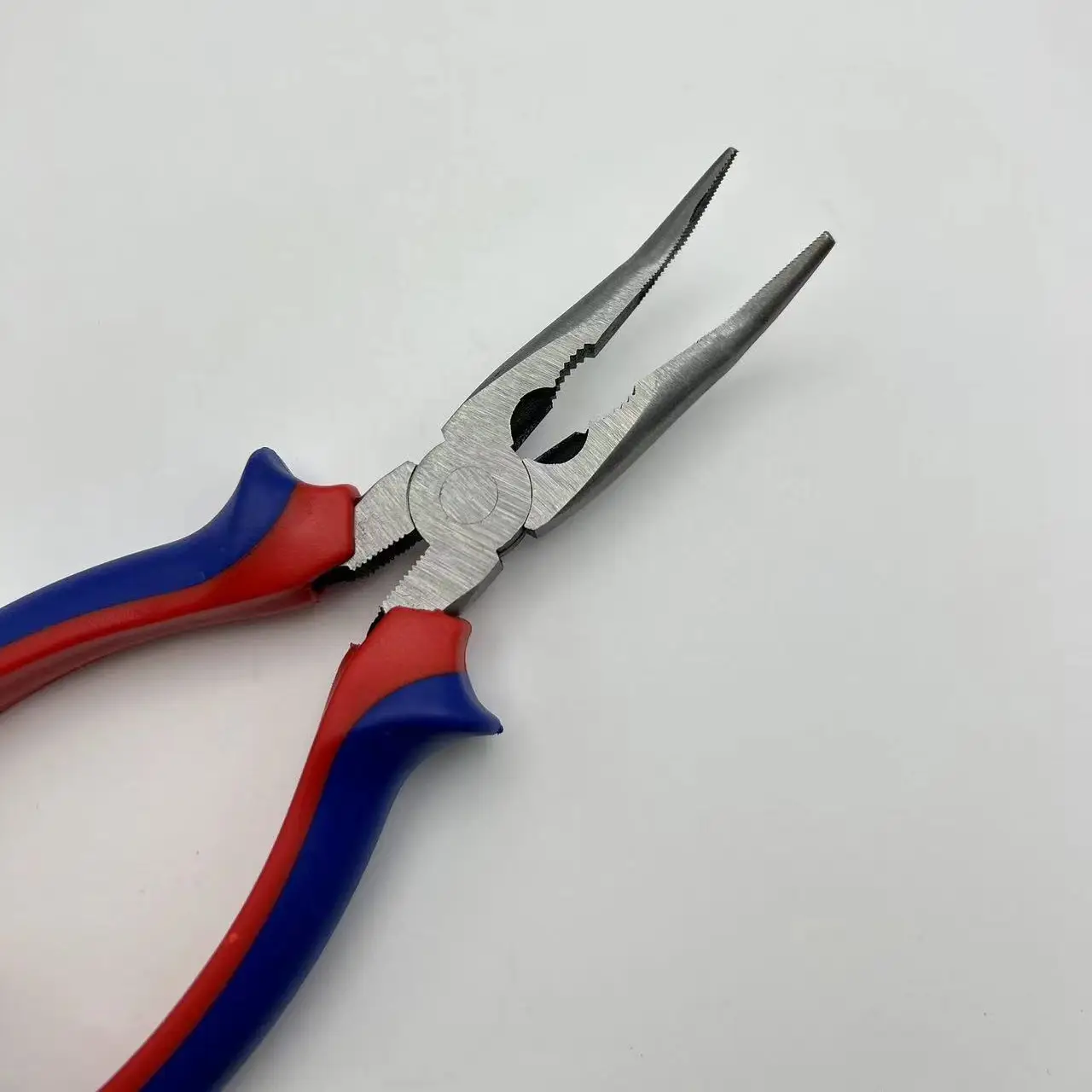
When a maintenance technician faces a plumbing breakdown at 2 a.m., the practical question is whether one adjustable hand tool can hold a 15 mm copper line and a 50 mm galvanized pipe with equal confidence. Water pump pliers answer that need through an adjustable jaw and a cam-based locking mechanism that seats onto different diameters without slipping. The design trades the fixed geometry of a slip-joint pliers for a wider grip span and a push-button release that lets the jaw open in discrete steps.
How the jaw adjustment mechanism creates a firm hold
The cam and ratchet adjustment explained
Water pump pliers use a cam-and-ratchet row on one jaw that meshes with a toothed rack on the handle. Pushing the button frees the jaw so it slides to the next detent, and releasing it drops a hardened pawl into the notch. This is why the jaw resists being forced open: the load pushes the cam deeper into the rack instead of sliding it free. A drop-forged chrome vanadium steel body keeps the pivot joint from spreading under high tensile load. A self-locking push-button water pump pliers removes the need to twist the handle to change opening. Compared with a slip-joint pliers that offers only two positions, the push-button design gives seven or more preset spans. The trade-off is that the release button must be clean and the pawl seated; otherwise the jaw can shift mid-task. Regular inspection of the button spring prevents that failure.
Serrated jaw geometry and contact pressure
The serrated jaw is not decorative. Angular teeth bite the pipe surface and spread contact pressure across more points than a smooth jaw would. Jaw geometry matters because round stock offers little flat area; the angled serrations create a wedging effect. Water pump pliers therefore resist rotation better than smooth-jaw tools when torque is applied by hand.
Torque limits and when the grip fails
Understanding torque and grip span ratings
A typical industrial water pump pliers transfers usable torque up to a modest hand-applied range before the hand becomes the weak link. Hand-applied torque is bounded by grip strength, and once the required force passes the point where the hand slips, the tool cannot help. Grip span, the maximum opening measured between jaw tips, decides which diameters are reachable. A tool rated to 60 mm span covers most plumbing and automotive work.
Risk of over-torque, hardness and pipe damage
Over-torque on water pump pliers risks more than a dropped tool. Serrated teeth can crush thin-wall copper or deform a soft alloy fitting, causing leaks that surface weeks later. An MRO buyer specifying tools for a chemical plant learned this when a contractor cracked a brass valve by forcing maximum span on a fragile fitting. Selecting the right jaw size and avoiding impact loading protects both the fastener and the worker. The pawl and cam must stay hard enough to resist peening. Induction hardening of the contact faces raises surface hardness to a controlled HRC band while keeping the core tough. A softer jaw would round off under repeated cycling and lose its lock. ISO 5744 covers hardness testing for pliers and gives buyers a benchmark when comparing industrial-grade stock. ANSI and ISO 5742 add dimensional and test-method references, so procurement teams can request documentation and verify that the geometry matches the claimed grade before placing a bulk order.
Real worksite scenario and selection advice
A distributor's procurement experience
A regional distributor supplying HVAC contractors faced constant returns on cheap adjustable wrenches that slipped on large-diameter PVC. Switching the catalog to drop-forged CR-V water pump pliers with a push-button lock reduced comebacks. The result was fewer damaged fittings and steadier reorders from the same contractor base. The lesson: specify grip span and material, not just price, when sourcing for resale.
What to inspect before use
Before each shift, check the pivot joint for play, confirm the push-button returns and the pawl seats, and look for chipped serrations. An anti-slip ergonomic handle with corrosion resistance extends safe service in damp environments. OSHA 1910.335 requires protective equipment for electrical exposure, so any tool used near live working circuits must carry the proper insulation rating and IEC 60900 marking for 1000 V.
Safe use and maintenance routine
Correct gripping technique across sizes
Position the jaw so the serrations sit square to the pipe, then close until the cam seats with a faint click. Keep the pull direction toward the adjustable jaw, which loads the cam rather than opening it. For a needle-nose or diagonal cutter the principle differs, but for round stock the water pump pliers geometry is purpose-built. Re-seat the button if resistance changes.
Maintenance, cleaning and storage
After use, wipe grit from the rack of the water pump pliers, lightly oil the pivot, and store the tool with the jaw partly open to avoid spring fatigue. A linesman pliers or slip-joint pliers in the same kit benefits from the same care. NFPA 70E guidance on electrical safety reminds users to isolate energy before working, keeping insulated tools as a last barrier rather than the first defense.
Water pump pliers grip pipes of different sizes firmly because the cam-and-ratchet adjustment converts pull into clamping force and the serrated jaw distributes contact pressure across the diameter. Selecting the right grip span, verifying hardness, and following a simple inspection routine keeps the hold reliable from 15 mm to 60 mm stock. For sourcing decisions, prioritize drop-forged CR-V construction and certified insulation over the lowest quote, and match the tool to the actual pipe range on site.
Frequently Asked Questions
Question
Can an adjustable pliers replace a pipe wrench on large diameters?
Answer: For diameters within the rated grip span, water pump pliers hold firmly and weigh far less than a pipe wrench. Beyond that span the jaw cannot seat, so a dedicated wrench is the safer choice. Select the tool by the pipe's outer diameter and wall thickness, not habit. A distributor stocking both serves plumbers and mechanics without product overlap, and training counters staff to match size reduces returns.
Question
Why does the jaw slip on oily pipes?
Answer: Oil reduces friction between serrations and the surface, letting the cam skate instead of biting. Wipe the pipe, re-seat the push-button, and keep pull toward the adjustable jaw. If slip persists, the pawl may be worn or the spring weak. Replace the tool or the spring before the next job to avoid a dropped component and a potential injury. Clean teeth restore the wedging effect that makes the hold reliable.
Question
How many size settings does a push-button model give?
Answer: Most push-button models offer seven to twelve discrete detents along the rack, far more than the two positions of a slip-joint design. More settings mean a closer fit and higher contact pressure. The right setting seats the cam; a halfway position risks shift under load. Match the setting to the pipe before applying torque for a steady hold, and verify the pawl drops into the notch with a clear click.
Question
Which standard confirms hardness for procurement?
Answer: ISO 5744 specifies hardness testing for pliers and gives buyers a comparable benchmark across suppliers. ANSI and ISO 5742 cover dimensions and test methods, while IEC 60900 applies to insulated live-working versions rated to 1000 V. Request documentation during sourcing and verify marks on the tool. Confirming hardness and certification protects distributors from substandard returns and supports safer worksite use near energized equipment.
Question
Do these tools need special maintenance after wet use?
Answer: After wet or corrosive exposure, rinse grit, dry the pivot, and apply a light oil film to prevent rust. Store with the jaw slightly open so the return spring keeps tension. Inspect the button and pawl monthly. Simple care extends service life and keeps the lock positive. A clean tool grips predictably, which matters more than any single feature when working under time pressure on a busy service route.