 EN
EN

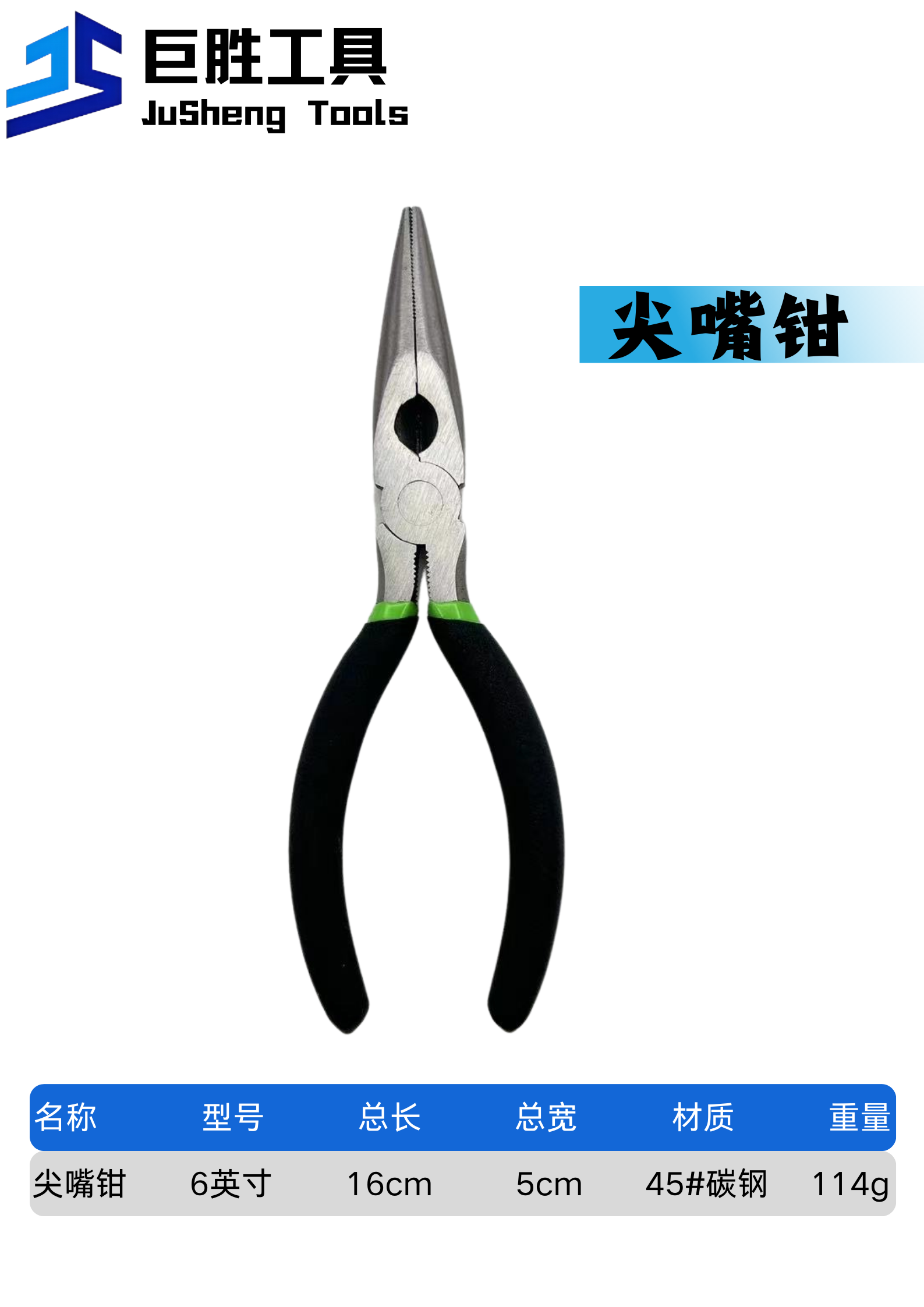
Visual and Functional Checks for Jaw Misalignment, Cracks, and Spring Fatigue
Begin every inspection with a close visual scan of the entire tool. Check jaw tips for parallelism, as any offset compromises grip consistency and accelerates wear on both jaws and workpieces. Examine the pivot area and cutting edges for hairline cracks, especially near the joint where stress concentrates; these often appear as fine, silvery lines under bright light. Look for nicks, chips, or rolled edges on cutting blades, which reduce cutting efficiency and increase slippage risk. On spring-loaded models, gently open and close the pliers several times to assess resistance: sticking, uneven return, or diminished spring tension signals fatigue. Operate the tool through its full range of motion, noting stiffness, which indicates corrosion or debris, or excessive looseness, which suggests pivot wear. Also inspect handle insulation for cuts, peeling, or swelling, signs that electrical safety margins may be compromised. A quick functional test using soft copper wire or thick paper reveals hidden misalignment or reduced clamping force. Document deviations promptly; early detection prevents compounding damage and preserves performance under load.
How Early Detection Extends Pliers Set Lifespan by 3 to 5 Years
Catching wear before it becomes structural damage is the most effective way to extend service life. A misaligned jaw forces uneven loading, accelerating wear on the pivot, jaws, and cutting edges. An undetected hairline crack can propagate rapidly under repeated stress, potentially causing catastrophic failure mid-task with risk of injury. Spring fatigue gradually erodes clamping force, prompting users to over-torque or reposition tools unnecessarily, damaging both the pliers and the workpiece. Addressing these issues at first notice interrupts this degradation cycle. Based on field data from industrial maintenance programs and tool longevity studies, pliers sets maintained with consistent visual and functional inspection routinely deliver 3 to 5 additional years of reliable service compared to those subjected only to reactive repairs. This translates into lower replacement costs, reduced downtime, and sustained precision across applications.
Rinse with Freshwater and Dry Immediately After Exposure to Salts, Chemicals, or Sweat
Rinse your pliers set thoroughly with freshwater immediately after contact with salts, acids, solvents, or even skin sweat, which contains chloride ions and organic acids capable of initiating corrosion within minutes. Use a gentle stream to flush residues from jaws, pivot joints, and handle crevices. If rinsing is not possible onsite, wipe all metal surfaces with a damp microfiber cloth to remove surface contaminants, then dry completely. Immediately follow with a clean, lint-free cloth, paying special attention to hinge gaps, rivet heads, and serrated jaw surfaces where moisture pools. Never rely on air-drying: standing water in tight clearances creates ideal conditions for oxidation. For pliers with rubber or thermoplastic grips, wipe with a mild soap solution to prevent chemical swelling or cracking. Finish by applying a light, even coat of machine oil or corrosion-inhibiting lubricant to exposed metal components, forming a protective barrier without attracting dust or compromising grip.
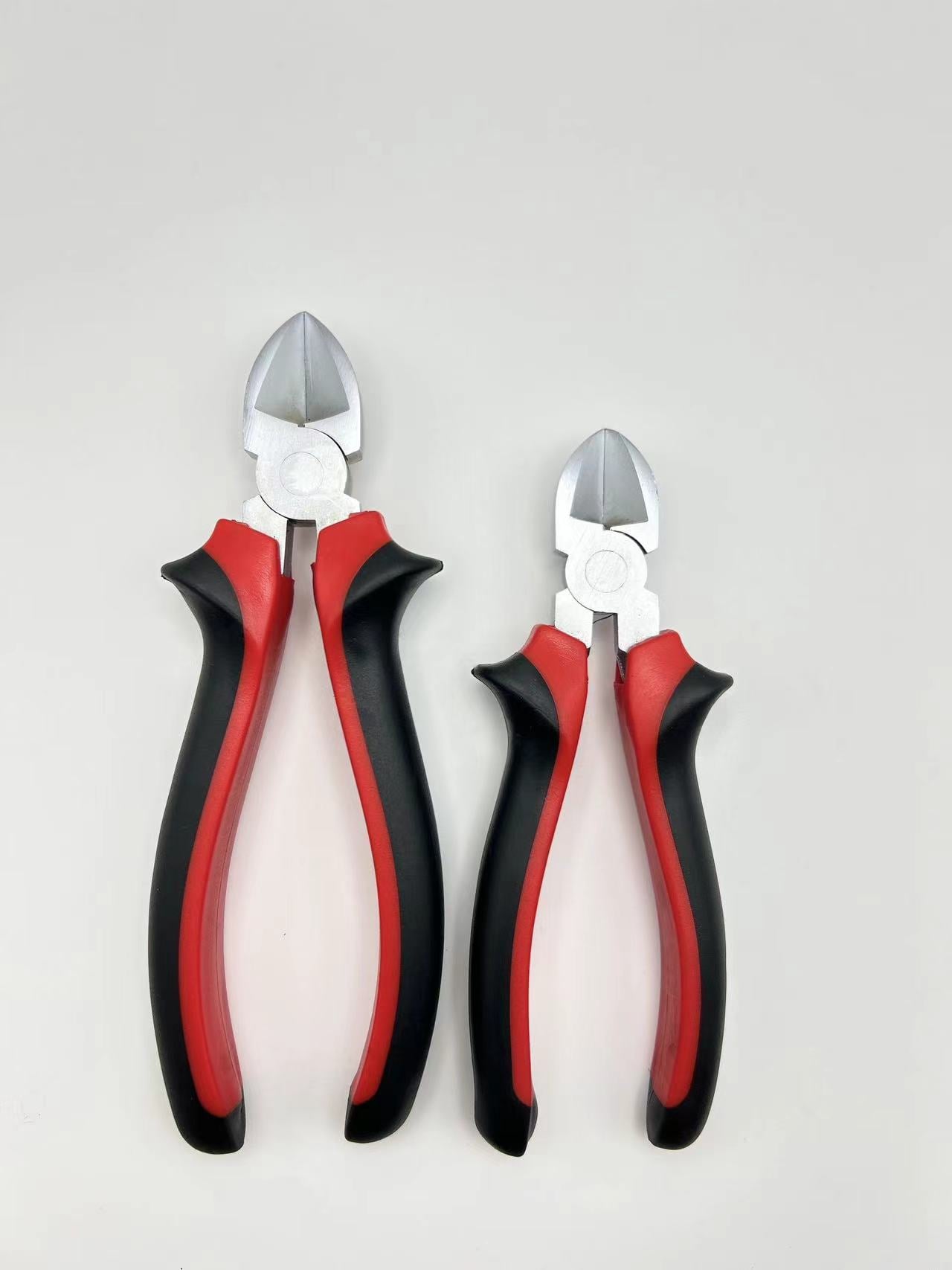
Why Residual Moisture in Pivot Joints Accelerates Rust 7 Times Faster Than Ambient Exposure
Residual moisture trapped in pivot joints creates a localized, high-humidity microenvironment that accelerates rust formation up to seven times faster than equivalent exposure in ambient air, according to the Corrosion Science Institute (2021). The narrow clearance between moving parts immobilizes water droplets, preventing evaporation and concentrating dissolved salts and oxygen, forming an active galvanic cell that corrodes high-carbon steel rapidly. In contrast, flat, exposed surfaces dry quickly and oxidize far more slowly. Lab testing confirmed that a single droplet of human sweat sealed inside a pivot joint produced visible pitting within 24 hours, while the same droplet on an open surface evaporated harmlessly. Over time, such corrosion degrades pivot integrity, leading to seizing, play, or complete joint failure. Because most premium pliers use hardened high-carbon steel for strength and edge retention, they are especially vulnerable to pitting in these confined zones. Consistent cleaning and immediate drying of pivot areas are essential to disrupt this corrosion mechanism and preserve mechanical function.
WD-40 vs. Boeshield T9 – Choosing the Right Lubricant for Long-Term Protection
Selecting the right lubricant for pivot points directly influences long-term reliability. WD-40 functions well as a short-term water displacer and light-duty cleaner but offers minimal lasting protection, as the volatile carrier evaporates quickly, leaving pivots vulnerable to moisture and friction within days. Boeshield T9, a paraffin-based formulation, cures to a dry, non-tacky film that adheres tightly to metal and resists wash-off, humidity, and salt spray. Independent testing by the National Association of Corrosion Engineers found that Boeshield T9 reduced rust formation by 87% versus WD-40 after 1,000 hours in accelerated salt-spray conditions. For pliers used in humid environments, outdoor settings, or around corrosive agents, Boeshield T9's durable barrier significantly reduces maintenance frequency and preserves pivot smoothness over extended service intervals.
Avoid Over-Lubrication – How Excess Oil Compromises Jaw Grip and Attracts Debris
Over-lubrication is a frequent yet counterproductive error: excess oil migrates onto jaw serrations, reducing static friction and diminishing clamping force by up to 20% during precision gripping tasks, according to the Friction Institute (2022). Worse, wet lubricants act like magnets for abrasive particulates, as metal shavings, dust, and grit embed into the film, transforming the pivot into an internal grinding zone. Research shows over-lubricated joints accumulate 55% more contaminant mass than those treated with a precise, minimal application, accelerating wear rather than preventing it. Apply only one small drop of lubricant to each side of the pivot rivet, then wipe away any visible residue with a lint-free cloth. This ensures smooth articulation without sacrificing jaw bite or inviting contamination.
Store Your Pliers Set Strategically to Preserve Calibration and Prevent Damage
Proper storage is foundational to maintaining calibration and structural integrity. Moisture remains the primary threat, not just to external surfaces, but to pivot internals where corrosion begins unseen. Always store pliers in a climate-controlled, low-humidity environment; silica gel desiccant packs or a workshop dehumidifier help maintain safe relative humidity levels below 50%. Physical protection is equally critical: tossing pliers into a cluttered toolbox invites impact damage, including jaw bending, tip deformation, and cutting-edge dulling. Instead, use a dedicated tool roll with individual slots, a padded pouch, or a wall-mounted rack with secure hooks. These methods keep jaws aligned, protect delicate serrations and cutters, and minimize stress on pivot rivets. Combined with consistent cleaning and lubrication, strategic storage preserves factory calibration, ensures repeatable performance, and maximizes service life across demanding applications.
Frequently Asked Questions
Why should I inspect my pliers set regularly? Regular inspection ensures early detection of wear and damage, extending the tool's lifespan and preventing functional issues or potential injuries.
How does cleaning and drying prevent corrosion? Cleaning and drying remove harmful residues and prevent moisture from accumulating in the pivot joints, which could otherwise accelerate rust formation dramatically.
What lubricant is best for my pliers? Boeshield T9 is recommended for long-term protection as it forms a durable, non-tacky barrier. WD-40 is suitable only for short-term use.
Why is over-lubrication harmful? Excessive oil reduces grip, attracts debris, and increases wear on the tool's components.
How should I store my pliers set? Store pliers in a climate-controlled, low-humidity environment using a tool roll, padded pouch, or wall-mounted rack to protect them from damage and maintain calibration.