 EN
EN

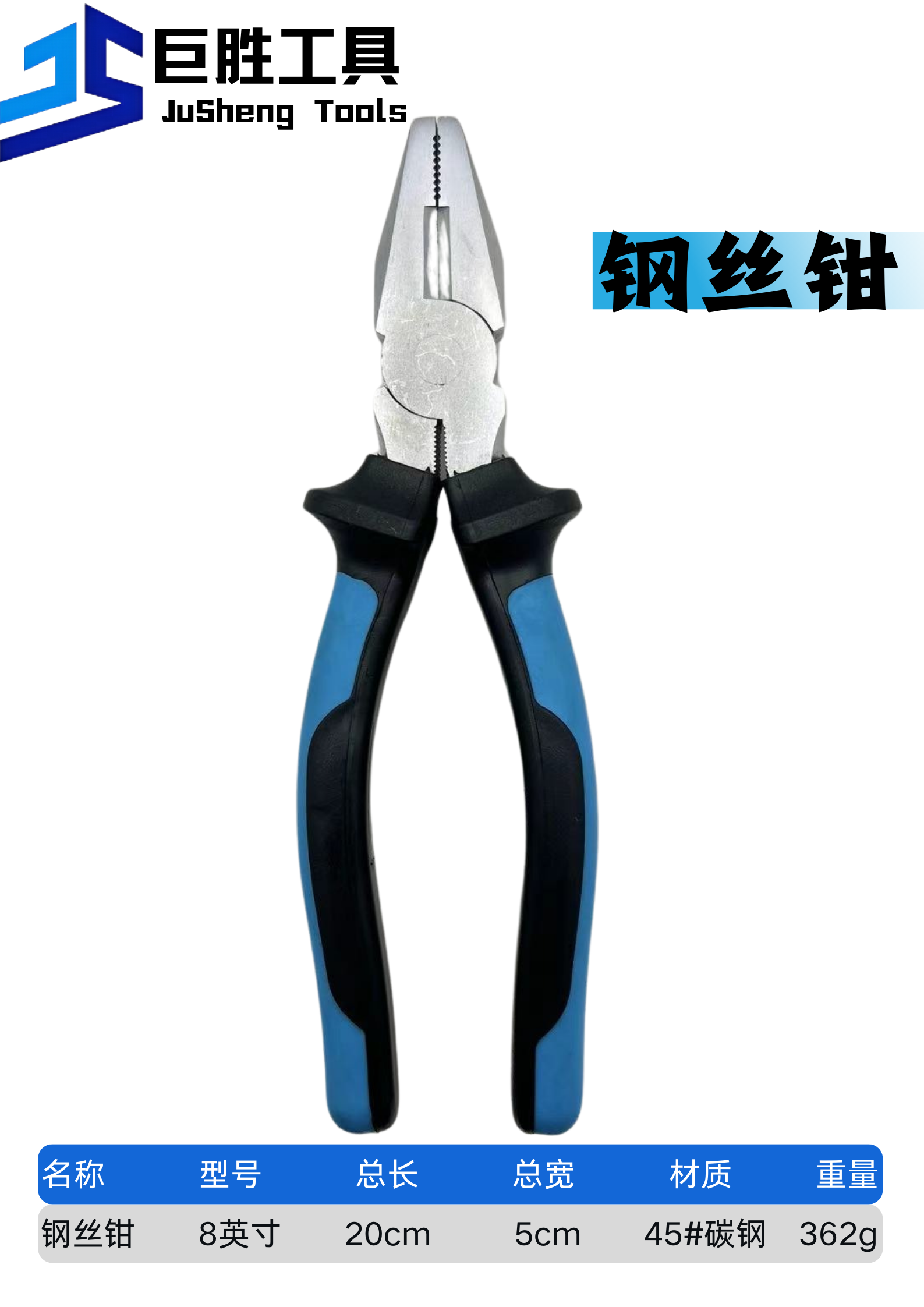
Dielectric Protection Mechanism – How Insulated Handles Block Current Pathways
Insulated handles on a pliers set function as a dielectric barrier, blocking current flow from live metal jaws to the user's hand. Certified tools feature a dual-layer polymer coating bonded directly to the metal core, eliminating microscopic gaps that could conduct electricity. Tested to withstand 1000 V AC per IEC 60900:2018, this insulation incorporates micro-air pockets that resist electrical breakdown, while stringent quality control prevents pinhole defects. Unlike standard grips, certified insulation is integral, not just applied, ensuring no leakage path exists even during accidental contact with energized components.
Real-World Wiring Scenarios Where Insulated Pliers Sets Prevent Accidents
During panel upgrades, slipping while gripping a live bus bar with non-insulated pliers creates an immediate path to ground, potentially fatal. An insulated pliers set interrupts that path before current reaches the hand. In cramped junction boxes, accidental contact between the tool shaft and exposed terminals poses similar risk; the dielectric coating prevents conduction. According to the Electrical Safety Foundation International, insulated tools reduce shock incidents by over 90% compared to non-insulated alternatives. Because live-wiring errors happen in milliseconds, certified insulation serves not as backup but as essential, engineered protection.
Testing Standards – Why IEC 60900:2018 Requires 1000V AC/1500V DC Validation
IEC 60900:2018 is the globally recognized benchmark for insulated hand tools. It mandates that every pliers set rated for live work must pass dielectric testing at 1000 V AC and 1500 V DC, simulating real-world stress from both alternating and direct current sources. Compliant tools undergo rigorous validation for dielectric strength, impact resistance, and insulation adhesion. Each certified tool bears the double-triangle symbol and year of certification, confirming independent verification. As outlined in industry guidance, labels like insulated without this mark offer no assurance of safety.
Practical Margin Analysis – Is a 1000V-Rated Insulated Pliers Set Safe for 480V Industrial Systems?
Yes, 1000 V AC rating provides ample safety margin for 480 V industrial systems. The rating reflects a proven safe operating limit, not a failure threshold. Manufacturers build in substantial engineering buffers: many tools are tested to 10,000 V during development to ensure dielectric integrity under transient surges, phase imbalances, and voltage spikes common in industrial environments. Even at peak instantaneous voltage, 480 V systems remain well below the 1000 V threshold. This margin directly supports compliance with NFPA 70E's energized work requirements and reduces arc flash risk by preventing unintended fault paths.
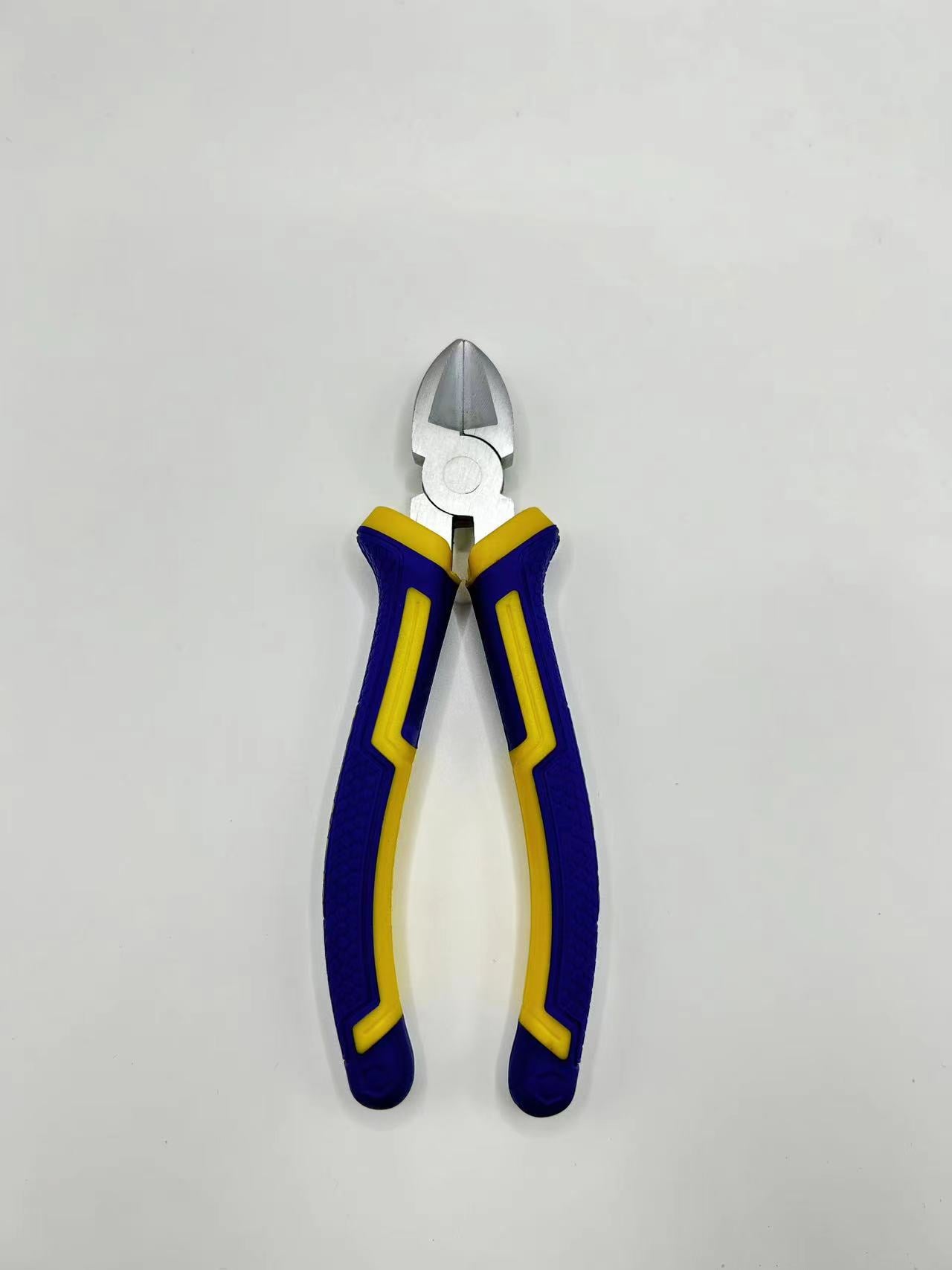
Arc Flash and Let-Through Current – Quantifying Risk Reduction with Certified Insulated Pliers Sets
A non-insulated pliers set bridging a live conductor and grounded surface creates a direct fault path, triggering arc flash. NFPA 70E mandates insulated tools for all work within the restricted approach boundary, requiring certification to ASTM F1505 and IEC 60900. A compliant pliers set blocks let-through current entirely, removing the tool as an arc initiation source. In a scenario where a non-insulated tool might generate a 40 cal/cm² arc flash, capable of causing life-threatening burns, an insulated tool prevents the fault altogether. This is not incremental risk reduction; it is elimination of contact-initiated arc hazards.
Material Integrity Matters – Dual-Layer Polymer Coating and Routine Inspection Guidelines
Effectiveness depends entirely on insulation integrity. Certified pliers sets use dual-layer polymer coatings: a durable outer layer resists abrasion and cuts, and a contrasting inner layer acts as a visual damage indicator. If wear exposes the inner layer, or reveals cracks, punctures, or discoloration, the tool must be removed from service immediately. NFPA 70E and ASTM F1505 require pre-use inspection for such defects; even one pinhole compromises protection at 480 V. Never use insulated pliers as hammers or store them unprotected, always in dedicated pouches. A quick wipe-down and visual check before each task sustains both tool life and worker safety.
Selecting the Right Insulated Pliers Set for Professional Wiring Work
Choose only pliers sets fully certified to IEC 60900 and ASTM F1505, validating protection up to 1000 V AC and 1500 V DC. That rating ensures robust safety margins for 480 V industrial systems and guarantees dielectric reliability under real-world electrical stress. Look for dual-layer polymer handles with a high-contrast inner layer to signal wear, and a tough outer jacket resistant to nicks and abrasion, enabling reliable daily inspection per NFPA 70E standards. Beyond certification, match tool design to your most frequent tasks: needle-nose pliers for tight spaces in junction boxes; combination pliers for versatile gripping and cutting. For durability, select tools forged from high-grade chromium-vanadium steel, retaining sharpness and resisting corrosion. Ergonomic handles reduce fatigue, but never at the expense of insulation coverage or structural integrity. A professional-grade insulated pliers set delivers three essentials: verified voltage-rated protection, task-optimized functionality, and long-term dielectric reliability, all backed by authoritative standards and field-proven performance.
Frequently Asked Questions
What makes insulated pliers safer than non-insulated pliers? Insulated pliers have a dual-layer polymer coating that blocks current flow from live metal jaws to the user's hand, preventing electrical shocks and arc flash risks.
What is the significance of IEC 60900 certification? IEC 60900 ensures that insulated tools meet rigorous testing standards, including dielectric strength and impact resistance, validating their safety for live wiring tasks up to 1000 V AC and 1500 V DC.
Can I use a 1000V-rated pliers set on a 480V industrial system? Yes, a 1000 V AC-rated pliers set provides a substantial safety margin for 480 V systems, ensuring protection against voltage spikes and electrical faults.
How do I inspect insulated pliers for damage? Check for exposed inner layers, cracks, punctures, or discoloration on the insulation. If any defects are found, remove the tool from service immediately.
Why should I avoid using insulated pliers as hammers? Using insulated pliers as hammers can damage the insulation, compromising their ability to protect against electrical shocks.