 EN
EN

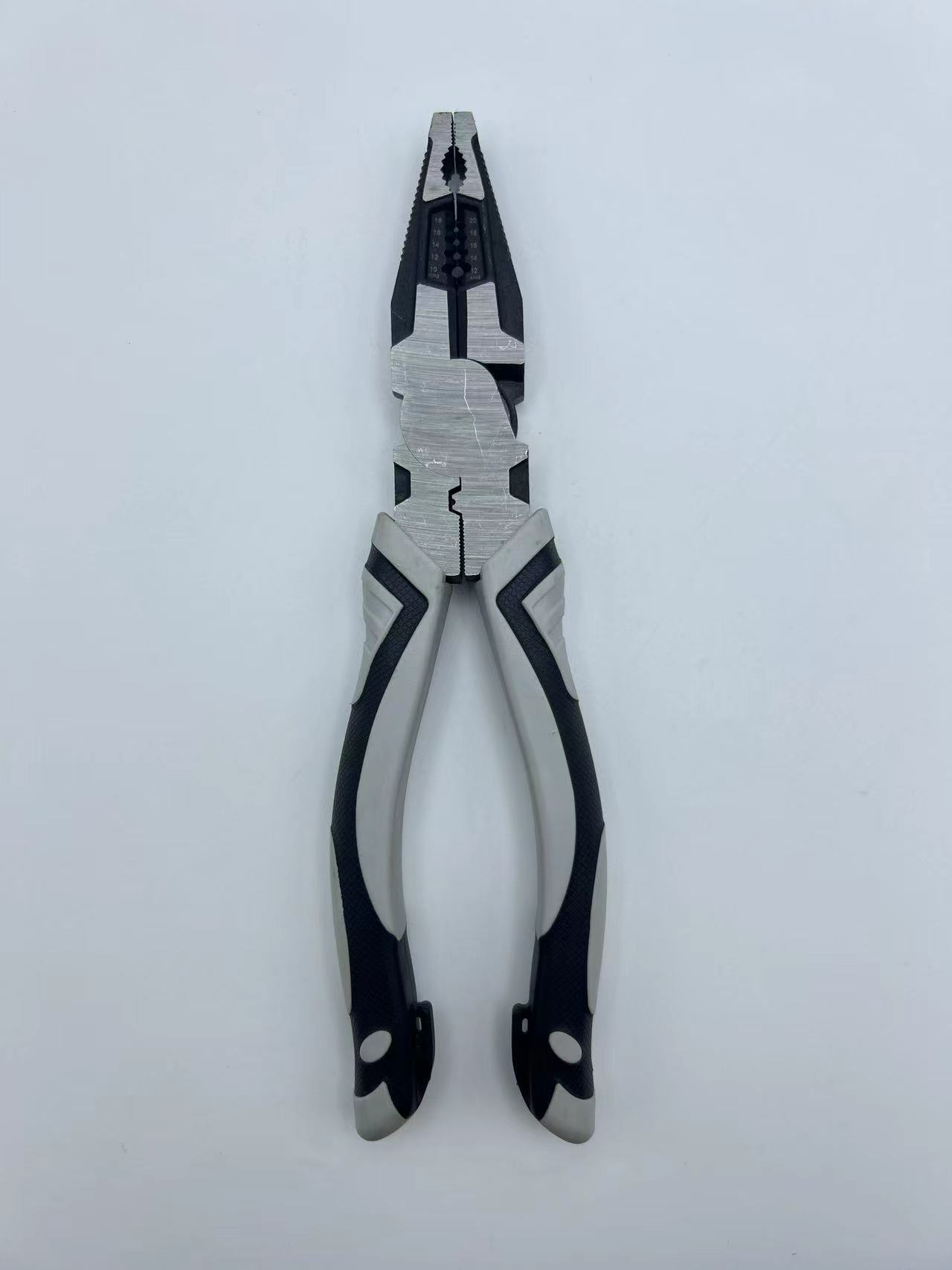
Jaw Alignment Precision and Rockwell Hardness for Consistent Performance
For wholesale hardware retailers, a pliers set must deliver consistent, long-term performance under heavy use. Jaw alignment precision means the two halves of the pliers meet perfectly along their entire gripping surface, with no light gap or overbite. Misalignment as small as 0.2 millimeters causes uneven pressure, leading to fastener slippage, marred surfaces, and premature wear. In a wholesale-grade set, this precision must be maintained across thousands of units. Equally critical is the hardness of cutting edges and gripping teeth: a Rockwell hardness of 48 to 58 HRC delivers the optimal balance, hard enough to resist deformation when twisting hardened wire, yet tough enough to withstand impact without chipping. Heat treatment within this range reduces jaw fractures by 40% compared to units hardened beyond 60 HRC, according to 2022 industry data. Retailers consistently report fewer warranty claims and stronger end-user trust with sets meeting both alignment and hardness standards, key drivers of repeat sales in the competitive hardware segment.
Salt Spray Test Compliance for Reliable Corrosion Resistance
Corrosion resistance is non-negotiable for pliers sets destined for retail shelves, where products may sit for months before purchase and then face humid garages or outdoor jobsites. The benchmark is ASTM B117 neutral salt spray testing, with a minimum pass threshold of 96 hours and no more than 5% red rust on critical surfaces. Sets meeting this standard retain full functionality and appearance after five years of simulated moderate-climate exposure, per a 2023 evaluation by a leading corrosion testing laboratory; tools rated for only 48 hours developed rust pitting that compromised grip integrity and joint movement. For wholesale buyers, specifying 96-hour minimum compliance minimizes in-store degradation and end-user returns, directly supporting higher margins and brand reputation.
Lifetime Cost Analysis – Balancing Unit Price Against Field Failure Rates
Hardware retailers often prioritize low unit price when sourcing pliers sets, but field failure rates quickly erode those savings. A 2023 industry analysis found that pliers with first-year failure rates above 5% triple total cost of ownership through returns, replacements, and lost repeat business. In contrast, a set with a 2% failure rate, even at a 15% higher unit price, delivers superior long-term ROI. Hidden costs include warranty processing, return shipping, and labor spent resolving customer complaints. For wholesale buyers, evaluating lifetime cost, not invoice price, is essential. A 2024 retailer survey confirmed that reducing field failure by just one percentage point lifts tool category margins by 2.3%, underscoring the direct link between reliability and profitability.
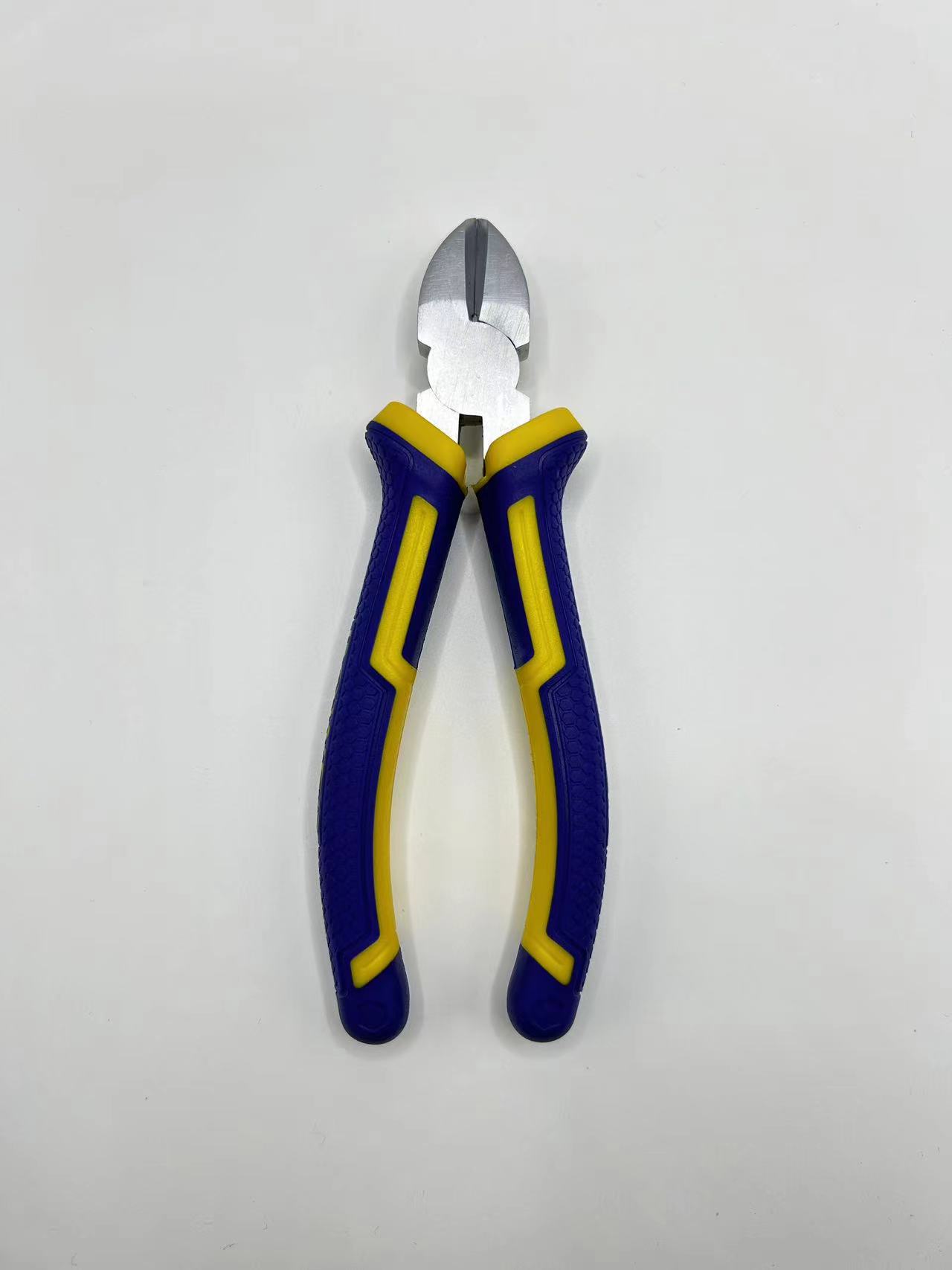
Packaging, Branding, and In-Store Durability Cues That Influence Confidence
In-store presentation shapes both retailer selection and end-user trust. A rugged, hangable display featuring clear corrosion-resistance callouts, such as 96-hour salt spray tested, signals quality before the tool is handled. Retailers interpret these cues as lower return risk and stronger shelf presence. For professional users, tactile signals matter: smooth yet grippy handle texture and wobble-free jaw alignment immediately convey durability. Packaging that doubles as storage or includes a spec card listing HRC values and material grades reinforces transparency and credibility. According to a 2023 trade survey, 68% of hardware store owners rank packaging durability and informational clarity among the top factors when selecting a new pliers set line, above margin alone. These cues build confidence that the product will sell consistently and generate fewer complaints.
CR-V vs. High-Carbon Steel – Trade-offs in Performance, Cost, and Heat Treatment Consistency
Selecting the right steel hinges on properties that directly affect tool life and reliability. Chrome Vanadium alloy steel delivers a balanced hardness range of 45 to 55 HRC, offering excellent toughness and resistance to torque-induced deformation. Its alloying elements also enhance baseline corrosion resistance, making it ideal for general-purpose gripping and cutting. High-carbon steel can reach higher hardness levels, typically 50 to 60 HRC on cutting edges, but demands tighter heat treatment control to avoid brittleness. Inconsistent quenching or tempering risks micro-cracks that sharply increase field failure rates. While high-carbon steel may cost less per ton, its narrow process window narrows the cost advantage at scale, especially when factoring in rework, scrap, and warranty liabilities. CR-V's wider heat treatment tolerance supports consistent quality across bulk orders, reducing claims and preserving retailer trust.
Induction Hardening Uniformity and Surface Finish Quality Across Bulk Orders
Uniform induction hardening is essential for cutting edge durability and user safety. The process uses high-frequency electromagnetic fields to rapidly heat the edge zone, followed by immediate quenching, achieving up to 60 HRC hardness while preserving core toughness. In high-volume production, variability in coil positioning or cooling rate can cause hardness deviations of ±3 HRC between units, undermining batch consistency. Leading manufacturers use automated lines with closed-loop temperature control to hold uniformity within ±1 HRC, a specification wholesalers can verify via random Rockwell sampling. Surface finish quality is equally vital: a burr-free, polished surface improves grip safety and enables stable adhesion of corrosion-resistant coatings. Finishes with a roughness average below 0.8 micrometers, paired with black oxide or nickel plating, deliver the visual polish and long-term resilience expected from professional-grade pliers sets.
Frequently Asked Questions
Why is jaw alignment precision important for pliers? Jaw alignment precision ensures even pressure distribution along the gripping surface, which reduces fastener slippage, prevents surface damage, and prolongs tool life.
What is the ideal Rockwell hardness for pliers? The optimal Rockwell hardness range is 48 to 58 HRC, striking a balance between durability and toughness.
What does the salt spray test indicate? The salt spray test measures a tool's corrosion resistance. A 96-hour compliance benchmark ensures long-term durability and reliability in humid or outdoor environments.
How does steel type affect pliers' reliability? Steel type impacts hardness, corrosion resistance, and production consistency. CR-V steel provides toughness and heat treatment flexibility, while high-carbon steel requires stricter production controls.
Why is surface finish quality important? Surface finish quality ensures user safety, enhances adhesion of corrosion-resistant coatings, and contributes to the professional appearance of the pliers.