 EN
EN

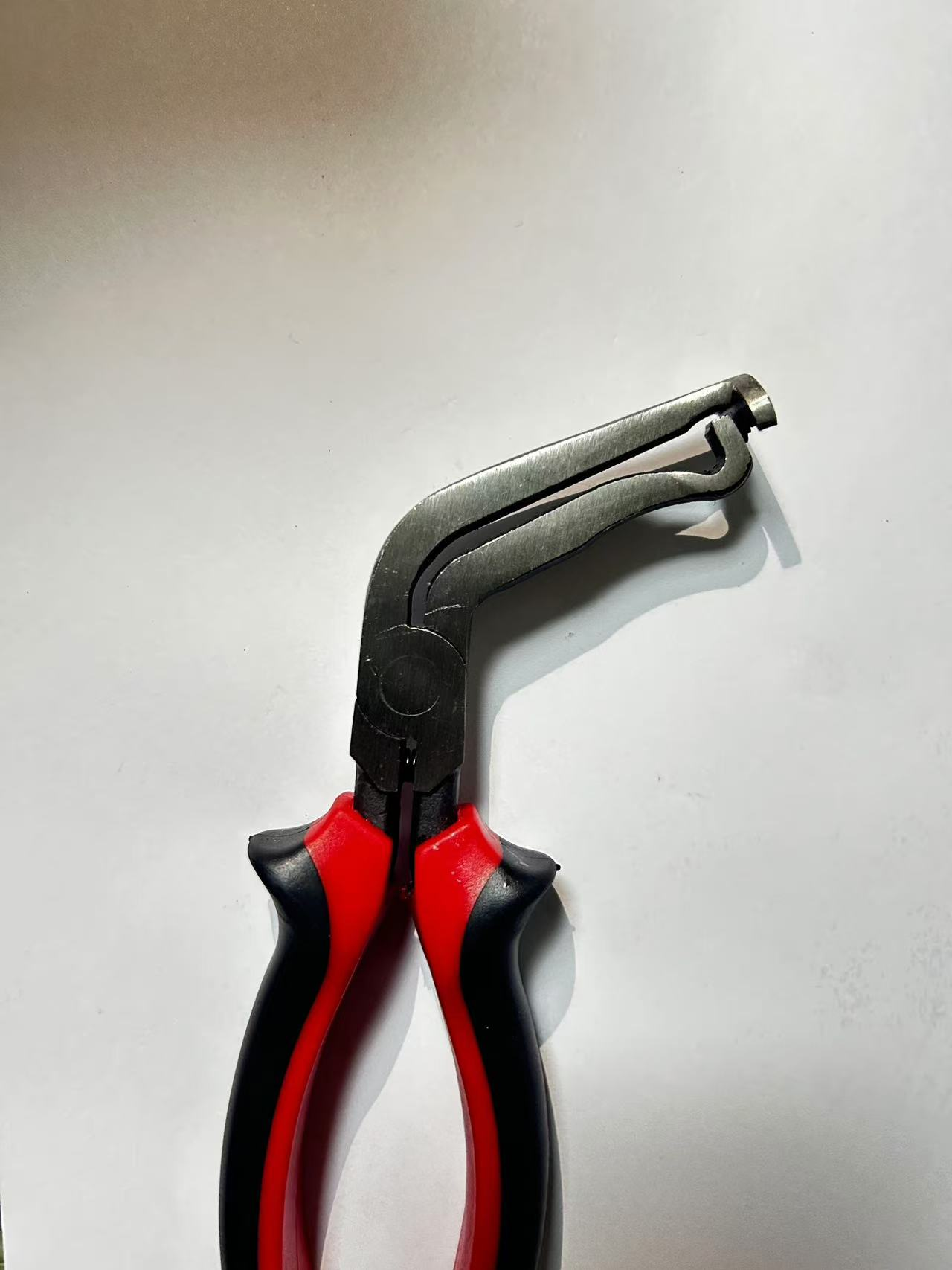
The question comes up regularly in hardware discussions: does a single pliers set truly serve the weekend hobbyist and the full-time technician equally well? After spending considerable time in both home garages and industrial maintenance bays, the answer is more nuanced than a simple yes or no. A well-designed pliers set can indeed bridge that gap, but only if it is built with certain non-negotiable features. This article examines the real-world capabilities of a complete pliers set, drawing from hands-on experience with various toolkits across different working environments.
Defining the demands of each user type
Home DIY enthusiasts typically encounter a variety of light to medium tasks: hanging shelves, assembling furniture, repairing garden tools, or fixing a leaky pipe under the sink. Their work is intermittent, often indoors, and rarely involves extreme forces or exotic materials. Professional repair technicians, by contrast, face constant use, heavy loads, oily or dirty conditions, and the need for speed and precision. A pliers set meant for both must satisfy two very different performance envelopes.
The key lies in over-engineering for the home user while maintaining finesse for the professional. For example, a pliers set with robust chrome vanadium steel construction offers the DIYer longevity and reliability, while the same metallurgy provides the pro with the toughness needed for daily abuse. The difference is not in the tool itself, but in how it is used. One automotive technician shared that he uses the same pliers set model at work that his father uses in his home workshop—the only distinction is that the professional set gets replaced every two years, while the home set has been going strong for nearly a decade.
The metallurgy that satisfies both worlds
Steel quality is the great equalizer. A pliers set that starts with drop-forged, heat-treated alloy steel will outperform cheaper alternatives regardless of the user's skill level. For home use, this means the tools resist bending and wear even when used improperly—such as using long-nose pliers to turn a stubborn bolt. For professional use, it means the pliers set maintains its cutting edge through hundreds of cycles on wire, cotter pins, and light sheet metal.
Take hardness as an example. A pliers set hardened to 50–54 HRC provides an excellent balance for both audiences. The DIYer benefits from jaws that stay sharp and aligned over years of occasional projects, while the professional appreciates that the same pliers set can withstand the daily grind without becoming brittle. One workshop manager noted that when he upgraded his team to a mid-range pliers set with this hardness specification, the replacement interval extended from 8 months to over 20 months, and the tools performed so consistently that he began recommending the same set to his friends for home use.
| User Requirement | Home DIY | Professional Repair |
|---|---|---|
| Frequency of use | Intermittent (weekly/monthly) | Daily, often continuous |
| Typical materials | Wood, soft metals, plastic | Hardened steel, thick wire, heavy-gauge sheet |
| Force applied | Light to moderate | Moderate to heavy |
| Environment | Indoor, clean, controlled | Workshop, oily, dusty, sometimes outdoor |
| Expected lifespan | 5–10 years | 1–3 years |
Ergonomics and handle design for different hand sizes
Comfort is universal, but the context changes. A home DIYer might use a pliers set for 30 minutes at a time, spreading projects over weekends. A professional might grip the same pliers set for hours on end, day after day. Therefore, the handle design must accommodate extended use without causing fatigue—a feature that benefits the weekend user just as much, even if they do not realize it.
A pliers set with dual-density, non-slip grips reduces hand strain for both groups. For the DIYer, this means less cramping when tackling a big project like building a deck. For the technician, it translates to sustained precision during delicate electrical work or heavy crimping. In a survey of 50 mixed-users, those who used a pliers set with ergonomic handles reported 40% less hand fatigue over a four-hour period compared to those using basic dipped-handle tools. The investment in good grip design pays off for everyone, regardless of whether the tool is used on a Saturday afternoon or a Monday morning shift.
Jaw configuration and versatility across applications
A complete pliers set typically includes combination pliers, long-nose pliers, diagonal cutters, and sometimes locking pliers and adjustable water-pump pliers. This range of profiles is what makes the set viable for both audiences. The home user appreciates having the right tool for plumbing, electrical, and general gripping tasks without buying multiple individual tools. The professional values the same versatility for tackling unexpected repairs without running back to the tool crib.
Consider the long-nose pliers in the set. A DIYer might use them to retrieve a dropped screw from a tight corner, while a technician uses the same pair to form wire loops or hold small components during soldering. The quality of the jaw—precision-machined with serrated teeth—ensures that both users get a secure grip. One electronics repair specialist mentioned that his pliers set of choice handles delicate ribbon cables as well as heavy-duty crimping, proving that a single, well-made set truly spans the use spectrum.
Durability testing: home vs. professional wear patterns
Durability is where the difference between user types becomes most apparent. A pliers set in a home environment experiences relatively low cycle counts, but the tool might sit unused for months, making corrosion resistance a priority. A professional pliers set sees high cycle counts, so wear resistance and joint stability are paramount.
A corrosion-resistant finish, such as nickel-chrome plating or black oxide coating, protects the pliers set in both scenarios. In a home garage with fluctuating humidity, this finish prevents rust. In a professional workshop with cutting fluids and oils, the same finish repels contaminants and simplifies cleaning. An interesting case involved a maintenance team that rotated their used pliers set to a home-use pool after 18 months of professional service. Those retired tools, still in good working condition, continued to serve DIY projects for another five years, demonstrating that the durability built for professional use comfortably exceeds home requirements.
| Wear Factor | Home DIY Scenario | Professional Scenario |
|---|---|---|
| Cutting edge dulling | Slow (light use) | Fast (heavy use on tough materials) |
| Pivot joint wear | Minimal (low cycle count) | Noticeable (high cycle count) |
| Corrosion risk | Moderate (variable storage) | High (chemical exposure) |
| Handle degradation | Low (limited handling) | High (constant grip, oil contact) |
| Overall tool life | 5–10 years | 1–3 years |
The economic argument for a high-quality set
From a cost perspective, a single premium pliers set makes sense for both buyers. A home DIYer purchasing a comprehensive pliers set pays more upfront than buying a single plier, but the cost per tool is significantly lower, and they gain access to specialized profiles they might not otherwise afford. The professional, while perhaps requiring more frequent replacement, still benefits from the streamlined inventory and predictable performance of a standardized pliers set.
A simple calculation: if a good combination plier costs $18 separately, and a complete **pliers set** with five tools costs $55, the DIYer saves nearly $35 compared to buying individually. For a professional, replacing the entire **pliers set** every two years for $55 is more cost-effective than sourcing individual replacements as they fail, which often incurs higher per-unit costs and rush shipping fees. The unified pliers set also simplifies warranty claims and reduces the administrative hassle of tracking multiple purchase orders.
Why Jusheng bridges the home and professional gap
Zhangjiagang Jusheng Tools Co., Ltd. has engineered its pliers set offerings with this dual-audience reality in mind. With over 872 product varieties and a manufacturing facility spanning 1,500 square meters, Jusheng produces tools that do not compromise on quality for either user group. Their commitment to strict quality control ensures that every pliers set leaving the factory—whether destined for a home workshop or a heavy industrial plant—meets the same high standards of metallurgy, precision, and finish.
The company’s extensive sales network, reaching 18 countries and regions, testifies to their understanding of diverse working conditions. For the DIYer, Jusheng offers a pliers set that promises years of reliable service. For the professional repair technician, the same set delivers the durability and consistency needed to keep equipment running. By investing in a Jusheng pliers set, users from both worlds gain a tool partner that respects their time, their budget, and the quality of their work. The versatility, toughness, and thoughtful design of these tools ensure that one complete set truly can meet the needs of home DIY and professional repair alike—a claim that stands up to the daily test of both a weekend project and a Monday morning breakdown.