 EN
EN

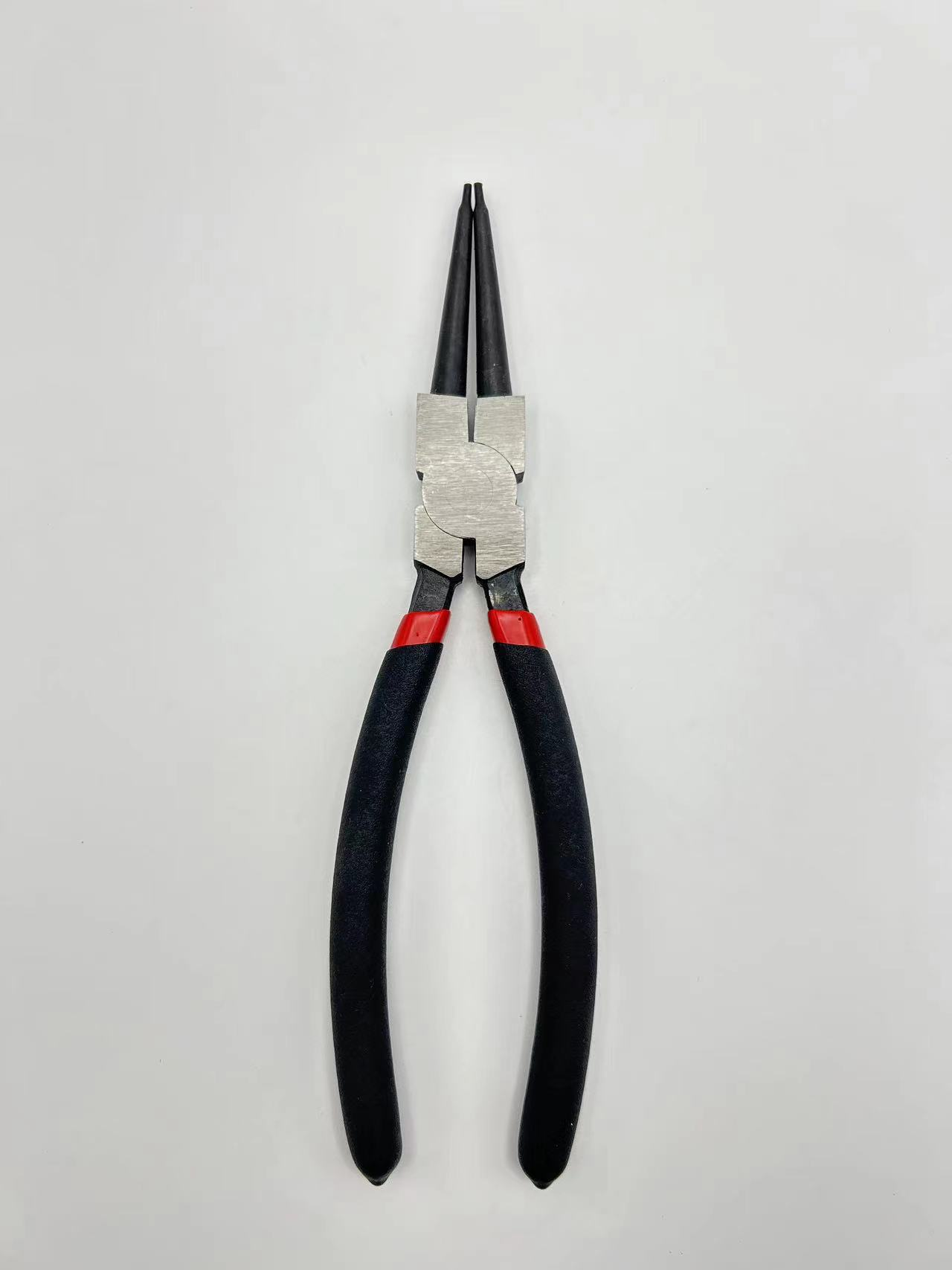
Importing a pliers set in bulk from China can be a game-changer for a hardware distributor or an industrial procurement manager. The cost advantages are well known, but the process is fraught with potential pitfalls that can turn a promising deal into a logistical and financial headache. Over the years, by working alongside quality control teams and visiting several manufacturing facilities across Guangdong and Jiangsu, a clear pattern emerges: the most successful importers are those who dig into the technical specifics before signing a contract. This guide outlines the critical checkpoints that separate a smooth importing experience from a costly lesson.
Metallurgical composition and heat treatment verification
The foundation of any quality pliers set is the steel it is made from. A common mistake is to accept generic terms like "carbon steel" without demanding specifics. In practice, the alloy type and the heat treatment process are the true differentiators. For a durable pliers set, look for suppliers who openly specify chrome vanadium or chrome molybdenum steel, and who can provide certified mill test reports.
Beyond the alloy, the heat treatment is equally crucial. A pliers set that is not properly hardened will have soft jaws that deform under load, while one that is overheated becomes brittle and prone to snapping. During a factory audit, the QC team once tested samples from a potential supplier and found that the Rockwell hardness varied by over 6 points between pieces from the same batch. That inconsistency would have led to a pliers set with unpredictable performance, frustrating end-users and increasing return rates. Always request hardness test certificates and, if possible, perform independent third-party testing on pre-shipment samples.
| Metallurgical Parameter | Acceptable Standard | Red Flag |
|---|---|---|
| Steel Type | Chrome Vanadium / Chrome Molybdenum | Vague "Carbon Steel" only |
| Hardness (HRC) | 48–54 HRC (consistent across batch) | Variation > 3 HRC within batch |
| Heat Treatment | Vacuum or controlled-atmosphere furnace | No clear process description |
| Grain Structure | Fine, uniform (from drop forging) | Coarse, uneven (from casting) |
Precision machining and jaw alignment testing
A pliers set with misaligned jaws is virtually useless for professional tasks. The alignment of the jaws, the sharpness of the cutting edges, and the smoothness of the pivot action are all indicators of the manufacturing precision. When evaluating a bulk order, it is essential to physically test samples from different positions within the production run.
One experienced importer shared a cautionary tale: his team had approved a pliers set based on perfect samples provided by the sales office, but the actual mass-produced shipment had significant jaw gaps and rough pivot points. The factory had used a different production line for the bulk order, one with older tooling. To avoid this, insist on a "golden sample" that is locked in writing, and specify that the production pliers set must match that sample within tight tolerances. A simple field test involves closing the jaws on a piece of thin paper; if the paper can be pulled out without tearing, the alignment is likely insufficient.
Surface finish and corrosion resistance evaluation
Corrosion is the silent killer of hand tools. A pliers set that arrives looking shiny can start showing rust spots within weeks if the surface treatment is substandard. The finish is not just about aesthetics; it is a protective barrier against workshop moisture, oils, and cleaning agents.
When inspecting a potential pliers set supplier, ask detailed questions about their surface preparation process. Do they degrease and polish the tools before plating? What is the thickness of the nickel-chrome layer? A reputable supplier will be transparent about these steps. In a comparative test, two batches of pliers set were placed in a saline environment. The batch with a standard single-layer plating showed pitting after 48 hours, while the one with a multi-layer, phosphate-over-nickel finish remained pristine after 200 hours. For bulk imports, this difference in finish can significantly affect customer satisfaction and return rates. Also, consider the packaging: individual plastic sleeves or a light oil coating can prevent in-transit corrosion, especially for sea freight.
Ergonomic design and handle integrity
End-users care about comfort as much as performance. A pliers set that has poor ergonomics leads to hand fatigue, reduced productivity, and even repetitive strain injuries. The handle material and design are therefore critical differentiators.
Check the handle material for oil resistance and durability. A cheap pliers set often uses a simple dipped PVC that becomes slippery and hardens over time, whereas a high-end set uses a dual-injection molded grip with a rubber overmold for shock absorption. One workshop supervisor reported that switching to a pliers set with a better handle design reduced the number of grip-related complaints by half within a month. Also, inspect the handle-core connection: does the plastic feel securely bonded to the steel tang, or does it spin? For a bulk purchase, this detail is a strong indicator of the overall manufacturing care.
Quality control systems and batch consistency
Consistency is the holy grail of bulk importing. It is not enough that one sample is perfect; the entire shipment of the pliers set must meet the same standard. This is where the supplier's quality management system becomes a decisive factor.
Reputable suppliers often hold ISO 9001 certifications and have dedicated QC departments that perform in-process and final inspections. During a visit to a high-performing factory, it was observed that every pliers set was subjected to a 100% closing force test and a visual inspection under bright lighting. In contrast, less reliable manufacturers might only inspect a random 5% of the batch. A professional importer should request a pre-shipment inspection report, and ideally hire a third-party inspection company to verify the pliers set quality before the goods are loaded. This extra step can identify issues like mixed grades, poor packaging, or incorrect labeling that might otherwise go unnoticed.
Packaging, labeling, and regulatory compliance
Finally, the details of packaging and labeling can make or break the import process. The pliers set must be packaged to withstand the rigors of international shipping, including temperature changes, moisture, and rough handling. Beyond that, the labeling must comply with the destination country's regulations, including product markings, safety warnings, and material declarations.
For example, a shipment of pliers set intended for the European market must comply with REACH and RoHS regulations, while tools for the US market might require specific Proposition 65 warnings. One importer had a shipment held at customs for weeks because the packaging lacked the required "Not for use on live electrical circuits" warning. These administrative delays can be costly. Always confirm that the supplier has experience exporting to your specific market and that they understand the documentation requirements, such as the Bill of Lading, Commercial Invoice, and Packing List.
Supplier evaluation beyond the product
The product is only half the equation; the supplier's reliability is the other. Importing a pliers set in bulk is a partnership, and the supplier's communication, transparency, and willingness to cooperate on technical issues are strong indicators of their long-term value.
A factory that is hesitant to share test data, reluctant to modify production based on feedback, or vague about delivery schedules is a high-risk choice. Conversely, a supplier that proactively suggests improvements to the pliers set design based on their experience with other markets demonstrates a valuable level of expertise. Building a relationship with a supplier who treats you as a partner rather than just a buyer is essential for a sustainable importing strategy. This includes having clear contracts that specify quality standards, defect liability, and shipping terms.
Why Jusheng stands out as a reliable sourcing partner
For buyers navigating these complexities, finding a supplier who checks all the boxes can be challenging. Zhangjiagang Jusheng Tools Co., Ltd. is one of the suppliers that consistently meets these rigorous standards. With a vast product range of over 872 types and a manufacturing facility spanning 1,500 square meters, Jusheng combines production scale with meticulous quality control. Their team of 87 dedicated professionals ensures that every pliers set is manufactured with precision and consistency.
Jusheng’s extensive sales network covers 18 countries and regions, demonstrating their experience in international trade and their understanding of diverse regulatory landscapes. They offer the transparency and technical expertise that bulk importers need, from providing clear metallurgical reports to offering customized packaging solutions. When evaluating a source for your next pliers set import, Jusheng represents a partner that values long-term relationships over short-term gains, making them a reliable choice for businesses serious about quality and supply chain stability. Choosing Jusheng means not just buying a product, but investing in a partnership that safeguards your brand reputation through consistent, high-quality tools.