 EN

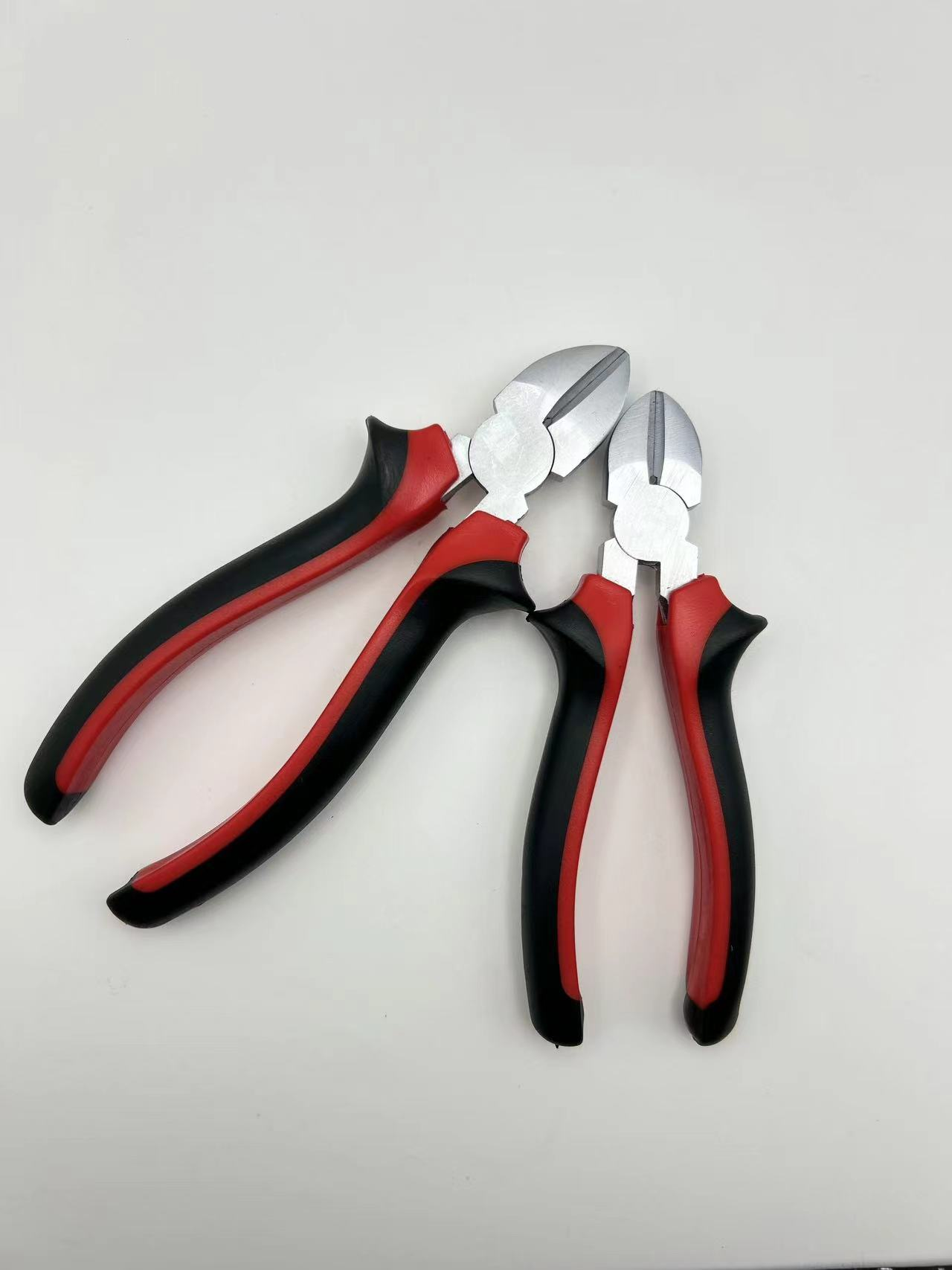
Material choice decides more about a tool range than any marketing budget. Two pliers can look identical in a shelf photo and behave completely differently in a customer's hand, and the gap usually traces back to one decision: the steel. For global resellers, the question is not which material wins a lab comparison — it is which pliers material delivers the right cost-performance for a specific market. The answer shifts with humidity, price point, and how the end user actually works, and getting it wrong shows up in returns instead of revenue.
The Rust Returns That Ate A Season's Margin
A range that sold and then came back
A South American reseller launched a budget range of carbon steel pliers ahead of the holiday season. The price moved fast, and the first reorder went out within weeks. Then the returns started: rust blooms along the jaws within a month, edges that chipped on soft wire, and customer photos showing pitted handles. The reseller had bought on price alone and never asked how the steel was finished. By season end, the returns desk cost more than the margin the range had earned, and the shelf space went back to a familiar brand.
Repositioning the range
The reseller rebuilt the range in three tiers instead of one. The entry tier kept carbon steel but specified plating thickness and a moisture-barrier package; the mid tier moved to chrome vanadium steel for toughness and better rust resistance; the top tier added induction-hardened cutting edges and retail-ready packaging for trade customers. Returns dropped, repeat orders rose, and the margin per unit finally matched the effort. A range positioned by material and finish sells on value; a range positioned by price alone competes with everyone.
Carbon Steel Versus Chrome Vanadium: What Actually Differs
Hardness, toughness and how each steel behaves
Carbon steel is the workhorse: affordable, easy to machine, and capable of taking a hard edge when heat treated properly, with cutting edges commonly pushed into the mid-50s HRC and above. Its weakness is brittleness at high hardness and poor corrosion resistance. Chrome vanadium steel adds chromium, which improves hardenability and rust resistance, and vanadium, which refines the grain structure for toughness and wear resistance. Plain alloy steel sits between the two on price, though chrome vanadium remains the most common upgrade in pliers and other hand tools. The trade is cost: chrome vanadium machines slower and wears tooling faster.
Corrosion, plating and the rust-resistance question
Plating decides how a tool ages. Nickel-chrome plating over either steel improves corrosion resistance and shelf appearance, and plating thickness matters more than the finish name on the box. A salt spray test on a sample — hours of neutral salt exposure before rust appears — produces a comparable number instead of a claim. Black oxide and phosphate finishes cost less and protect mildly, which suits dry inland markets better than humid coastal ones. Resellers who ask for plating thickness in writing stop arguing about rust claims after the fact.
Matching Material To Market And Price Point
Entry, mid and premium segments
Every market splits into rough tiers, and each tier has a material logic. Entry buyers respond to price, so properly finished carbon steel with honest plating works. Mid-tier trade users punish chipped edges, so chrome vanadium steel earns its price through toughness and fewer complaints. Premium buyers — electricians, industrial maintenance crews — pay for induction-hardened edges, insulated handles where the work demands them, and packaging that survives a van. Cost-performance tools are not the lowest-priced tools; they are the tools whose failure rate matches their price.
Machining, stamping and tooling cost drivers
Cost differences come from the shop floor as much as the metal. Chrome vanadium machines slower and wears dies faster than carbon steel, which is why the same pattern costs more in one material than the other. Forging versus stamping changes the picture again: drop forging aligns the grain flow and suits heavy-duty patterns, while stamping keeps costs down on lighter-duty items. Resellers who understand these drivers can negotiate with a factory about where to spend and where to save, instead of treating every quote as a mystery.
A Practical Framework For Resellers
A simple decision checklist
Three questions keep pliers material decisions honest. First, where does the range live — dry inland, humid coast, or industrial trade? Second, what does the end user actually cut, twist and pry? Third, what does a failure cost — a refund, or the customer? Humid markets and professional users point toward chrome vanadium steel and thicker plating; dry, price-led markets tolerate carbon steel done well. Writing the answers down before requesting quotes turns selection from a guess into a specification.
Claims that hold up
Some claims survive scrutiny and some do not. Hardness ranges stated as industry norms, plating thickness in writing, and a salt spray number from a sample are verifiable. "Rust proof" and "unbreakable" are not, and they age badly when the first customer photo arrives. Resellers who ask for testable claims — a hardness test on a batch sample, a plating thickness certificate, a salt spray report — build ranges that hold their reputation. The rest is marketing, and marketing cannot fix a material mismatch.
Choosing the right pliers material for a reseller range is a market decision, not a metallurgy contest. Carbon steel pliers done well serve price-led segments; chrome vanadium steel earns its price where toughness and rust resistance decide repeat business; and induction-hardened edges belong at the top. Match the material to the market, ask for testable claims, and the cost-performance story writes itself — in margin instead of returns.
Frequently Asked Questions
Question
What is the difference between carbon steel and chrome vanadium?
Answer: Carbon steel machines easily and takes a hard edge, but it is more brittle at high hardness and rusts without protection. Chrome vanadium adds chromium for hardenability and corrosion resistance, plus vanadium for grain refinement, which improves toughness and wear resistance. The same pliers pattern in both materials behaves differently under prying and impact. The trade is price: chrome vanadium costs more to machine and wears tooling faster.
Question
How does plating affect rust resistance?
Answer: Plating is the first defense against corrosion. Nickel-chrome plating improves rust resistance and shelf appearance on either steel, and thickness matters more than the finish name on the box. Black oxide and phosphate finishes cost less and protect mildly, which suits dry inland markets. Ask for plating thickness in writing and a salt spray result from a sample, because a rust claim without a number is only a claim.
Question
Which material suits humid coastal markets?
Answer: Humid, salty air punishes plain carbon steel, so chrome vanadium steel with thicker plating is the safer choice for coastal resale. Pair it with moisture-barrier packaging, since rust often starts in the box during transit rather than at the customer's site. Inland, dry markets tolerate carbon steel done well, and spending the difference on plating there buys little. Match the material to the climate, not just the price point.
Question
Can chrome vanadium justify a higher retail price?
Answer: It can, where the end user punishes tools. Trade users who cut, twist and pry all day chip soft edges and bend weak jaws, and those failures come back as returns and lost repeat business. If a market buys on price alone, the premium may not clear. The honest test is the failure cost: when a return costs more than the material upgrade, chrome vanadium pays for itself in margin.
Question
How can material claims be tested before a bulk order?
Answer: Ask for samples from the actual production batch and run three checks: a Rockwell hardness test at the cutting edge and body, a plating thickness measurement, and a salt spray exposure on a plated sample. A hardness number, a thickness figure and a corrosion result are testable; "rust proof" and "unbreakable" are not. Verifying claims before the order protects the range's reputation and the reseller's margin.