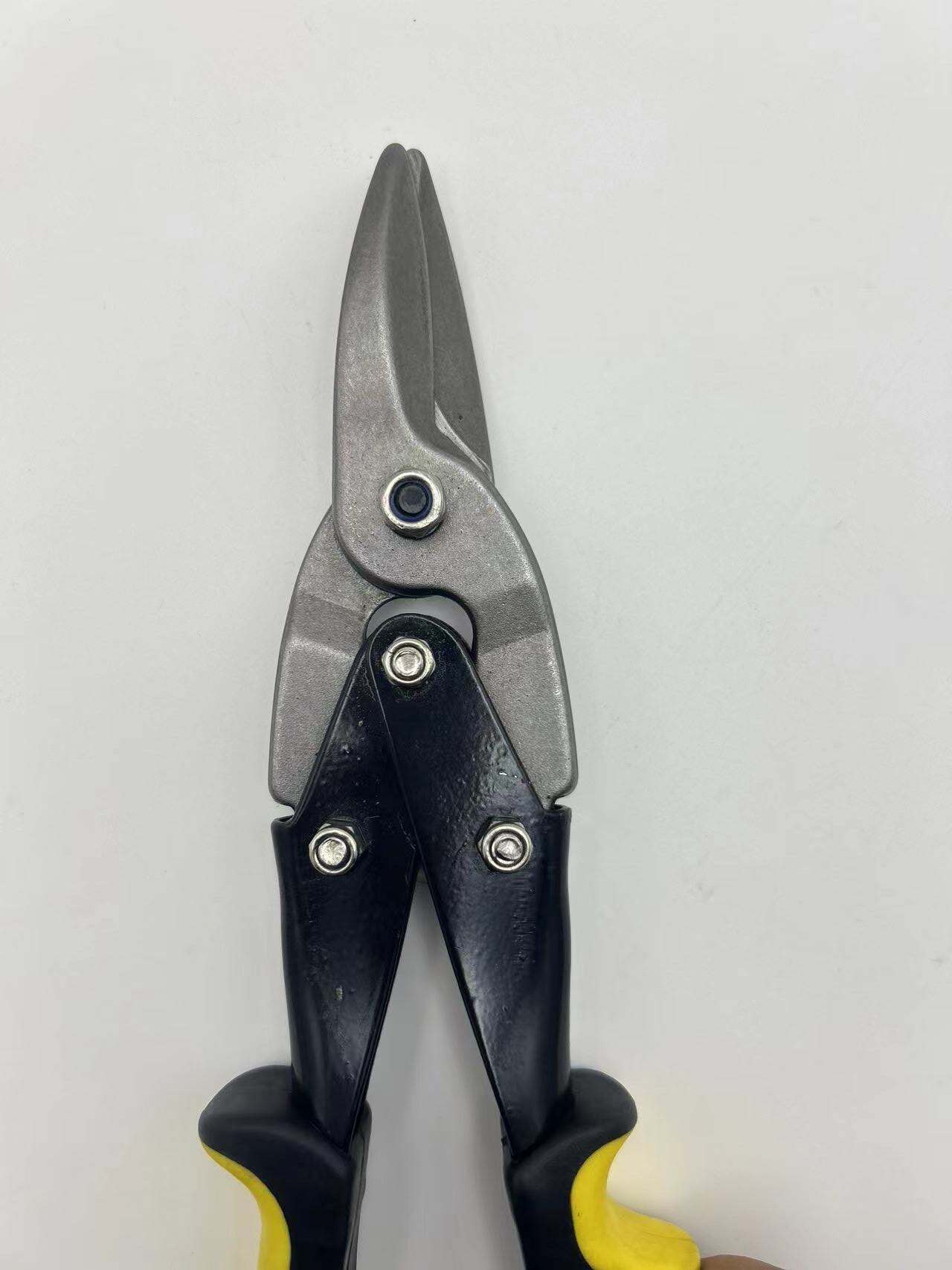
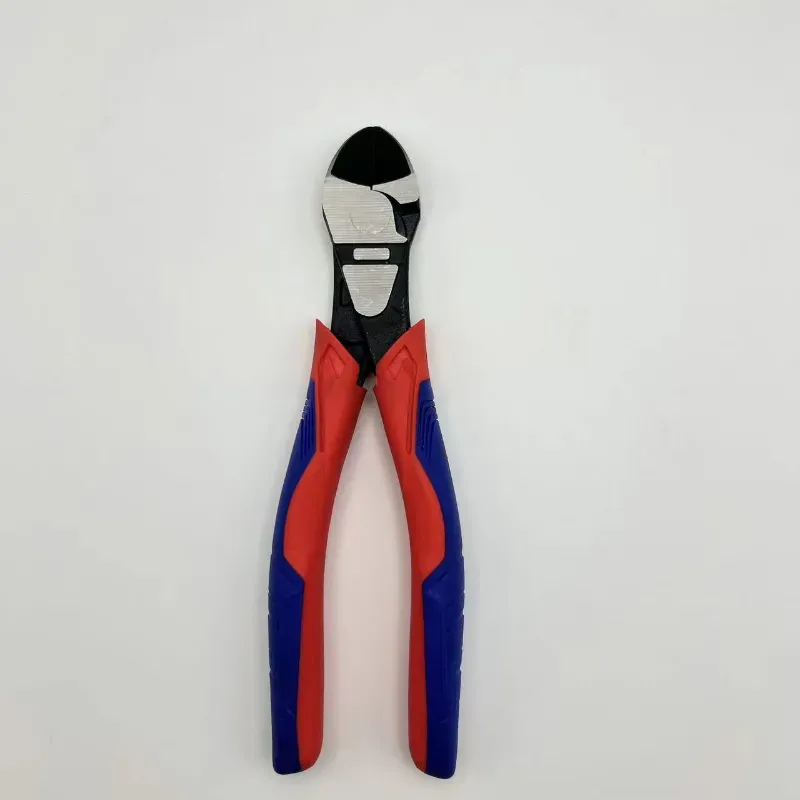
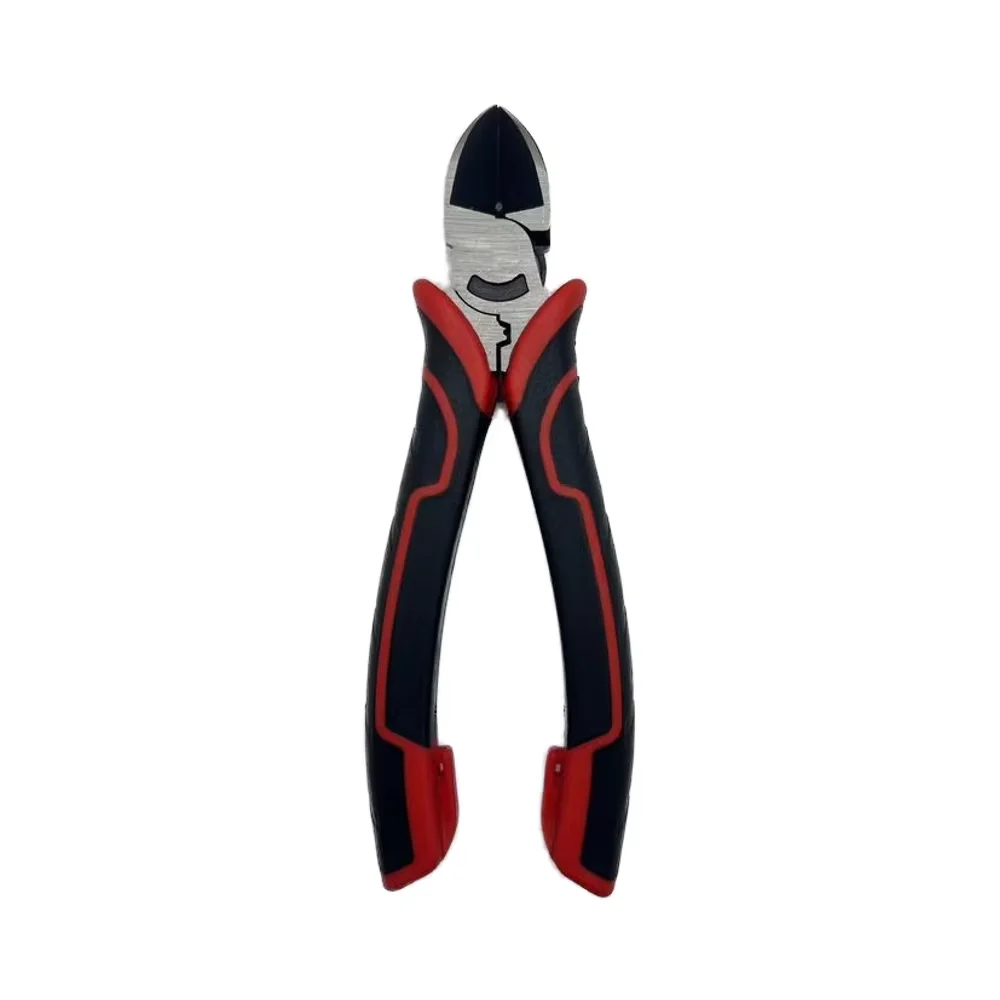
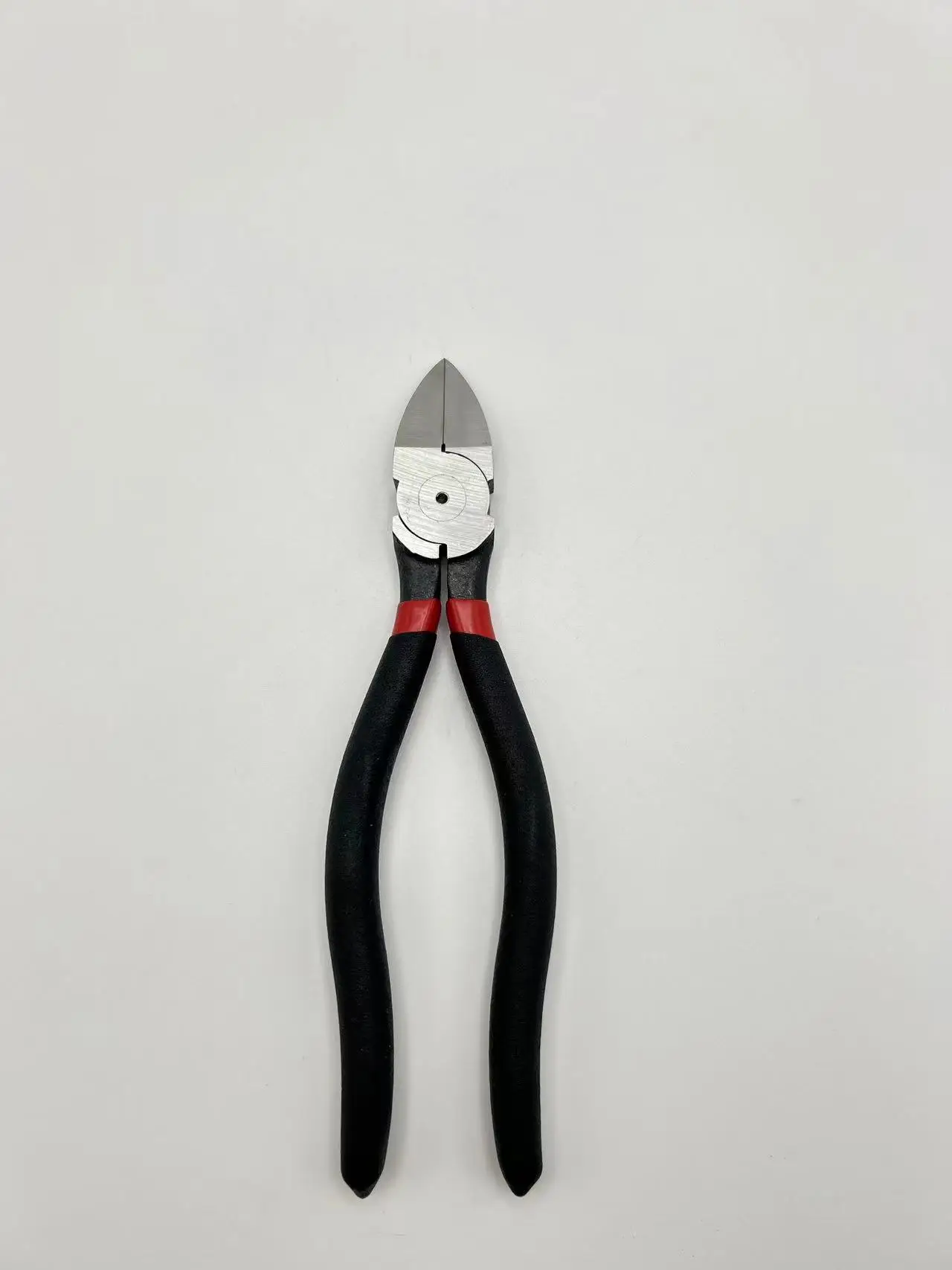
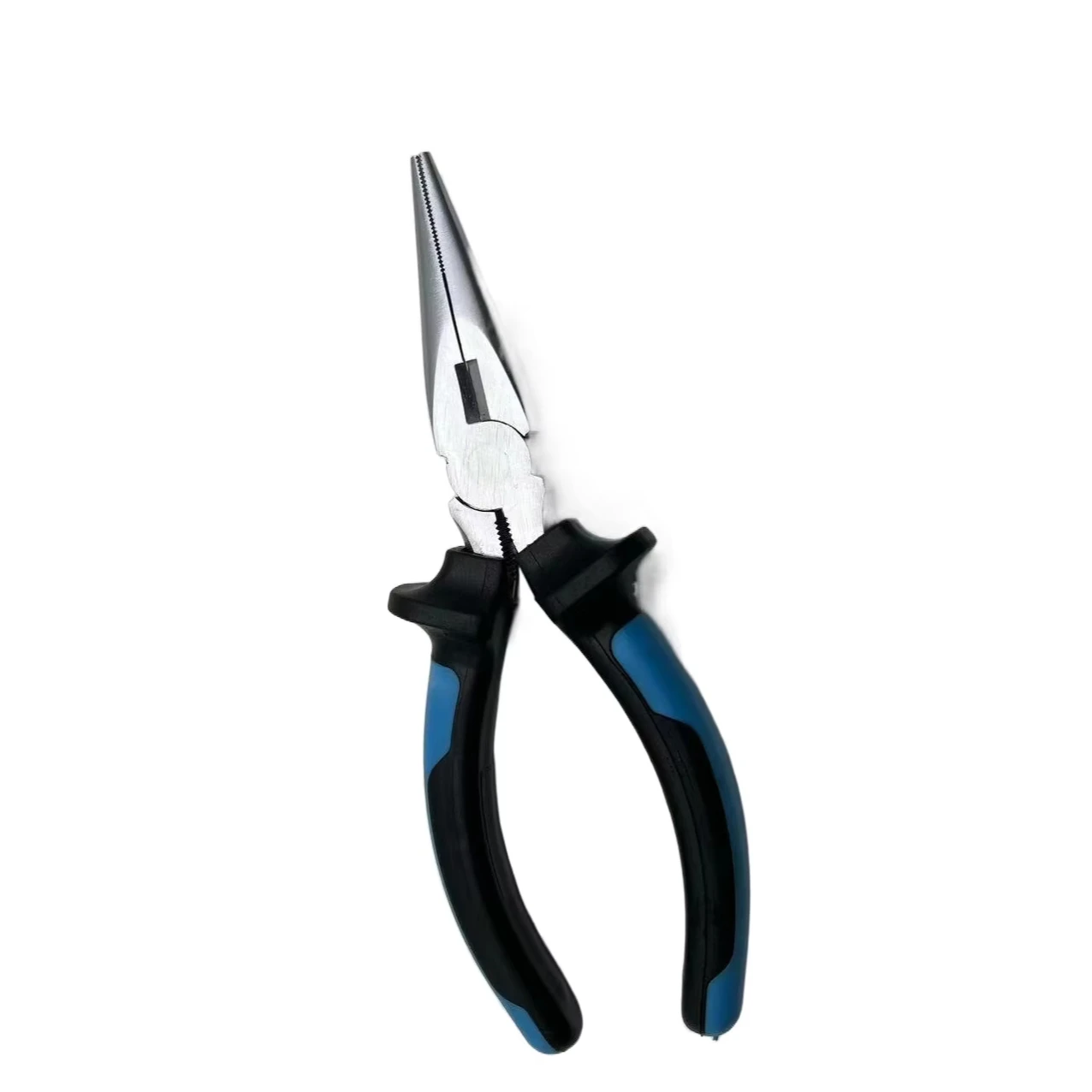
Blacksmithing is a traditional craft involving the forging of hot metal, primarily steel, requiring a specialized set of heavy-duty, heat-resistant hand tools. While power hammers are common, the smith's fundamental hand tools are the hammer and the anvil. Blacksmithing hammers come in various weights and face shapes (like cross-peen or straight-peen) for drawing out, bending, and shaping hot metal. Other essential hand tools include tongs of numerous jaw patterns (flat, wolf, box) to securely grip hot workpieces of different shapes; chisels (hot and cold cuts) for cutting metal; punches and drifts for making holes; and fullers for creating grooves. These tools are subjected to extreme thermal and mechanical stress. They are therefore forged from high-grade tool steel, heat-treated to withstand repeated impact and exposure to heat without becoming brittle or losing their shape. The handles, often made of hickory, are securely wedged into the tool heads to prevent loosening. For a modern blacksmith, whether engaged in artistic forging, knife making, or farriery, the quality, balance, and durability of their core hand tools are critical. A well-made hammer transmits energy efficiently and reduces arm fatigue, while a properly fitting pair of tongs provides safe control over the glowing metal. These tools are the foundational interface between the smith's skill and the transformable material. For information on robust hand tools suitable for blacksmithing and metal forging applications, please contact our team to discuss available options.