 EN
EN

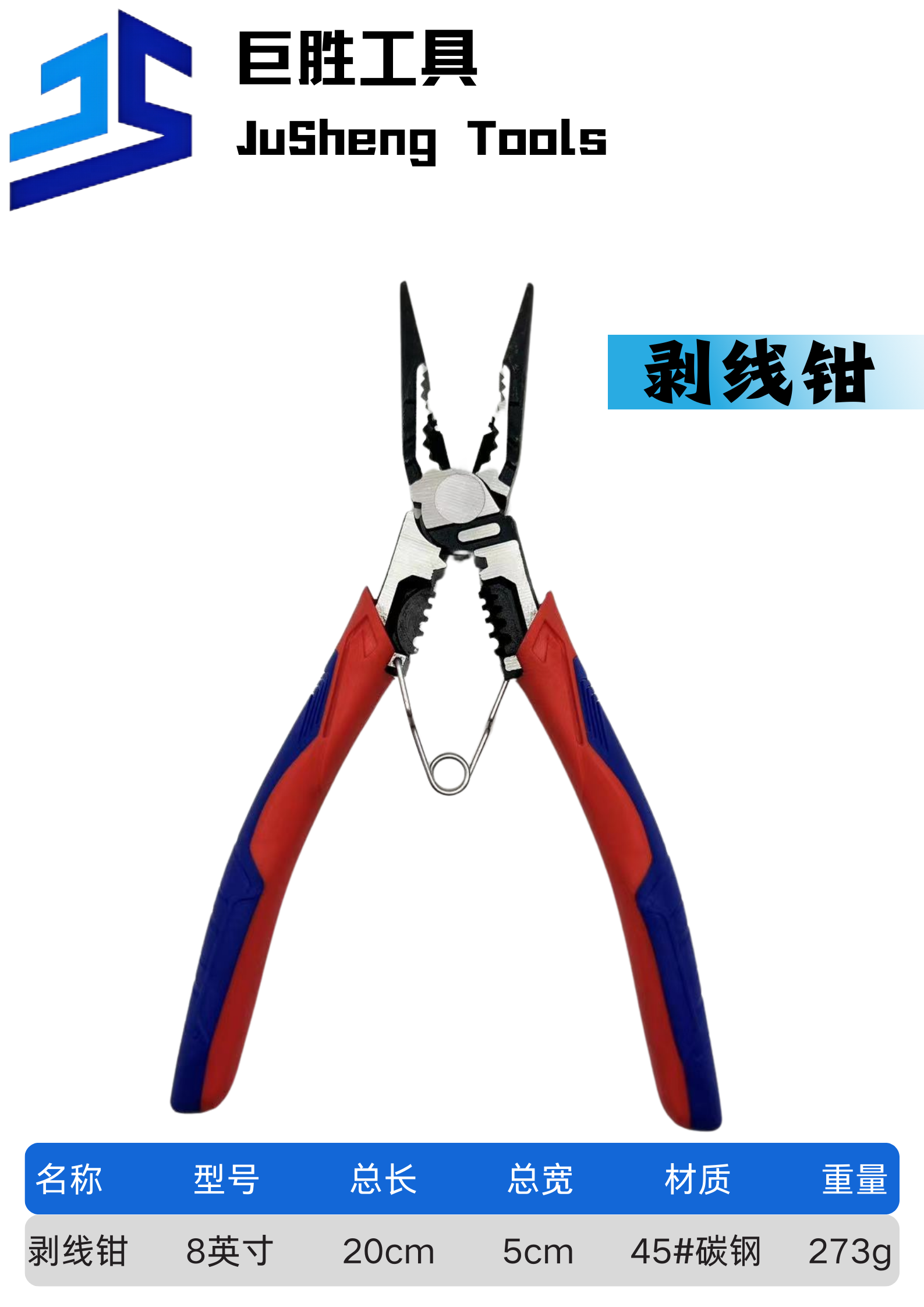
Needle-Nose and Long-Nose Pliers for Confined Access Precision Tasks
Needle-nose and long-nose pliers are essential for precision work in machinery maintenance, especially where space is constrained. Their tapered, elongated jaws enable access to recessed wiring, retrieval of dropped fasteners, and accurate positioning of small components inside dense control panels or electronic assemblies. Unlike bulkier alternatives, these tools deliver visibility and control without sacrificing grip strength. High-quality versions feature finely serrated tips that securely hold delicate parts, such as miniature connectors or thin-gauge wires, without marring surfaces. This precision minimizes collateral damage during repairs and preserves the functional integrity of sensitive equipment.
Diagonal Cutters and Crimping Pliers for Electrical and Hydraulic Systems Cutting and Joining
Diagonal cutters and crimping pliers address two foundational tasks in electrical and hydraulic system maintenance: clean severing and reliable joining. Diagonal cutters use angled jaws to produce flush cuts on copper wire and small-diameter fasteners, critical for preventing short circuits and ensuring proper fit in terminal blocks. Crimping pliers, meanwhile, create gas-tight mechanical bonds between conductors and terminals. A poorly executed crimp is a leading cause of electrical failure in industrial machinery; independent research estimates that 20% of such failures stem directly from improper crimping. To mitigate this risk, choose crimping pliers with machined, interchangeable dies calibrated to industry-standard terminal specifications, ensuring repeatable, factory-grade connections across every wiring repair or hydraulic hose assembly.
Tongue-and-Groove, Slip-Joint, and Locking Pliers for High-Torque Adjustments and Gripping
Tongue-and-groove, slip-joint, and locking pliers collectively cover the full spectrum of gripping and holding demands in machinery maintenance. Tongue-and-groove pliers offer rapid jaw adjustment across a wide range, ideal for turning large locknuts or securing pipes during alignment. Slip-joint pliers provide versatility with dual pivot positions, making them well-suited for general assembly and holding standard fasteners. Locking pliers deliver maximum clamping force through compound leverage and a hands-free locking mechanism, essential when securing workpieces for welding, extracting seized bolts, or holding components steady during torque-intensive adjustments. In practice, tongue-and-groove pliers excel at quick-adjust, broad-capacity gripping for turning large-diameter locknuts and securing pipes; slip-joint pliers serve multi-purpose gripping with two jaw positions for general assembly and holding standard fasteners; while locking pliers provide maximum clamping force with a hands-free lock for securing workpieces during welding and removing seized bolts. Together, these three tool types ensure technicians can apply precise, scalable torque from fine-tuned calibration to aggressive disassembly without compromising component integrity.
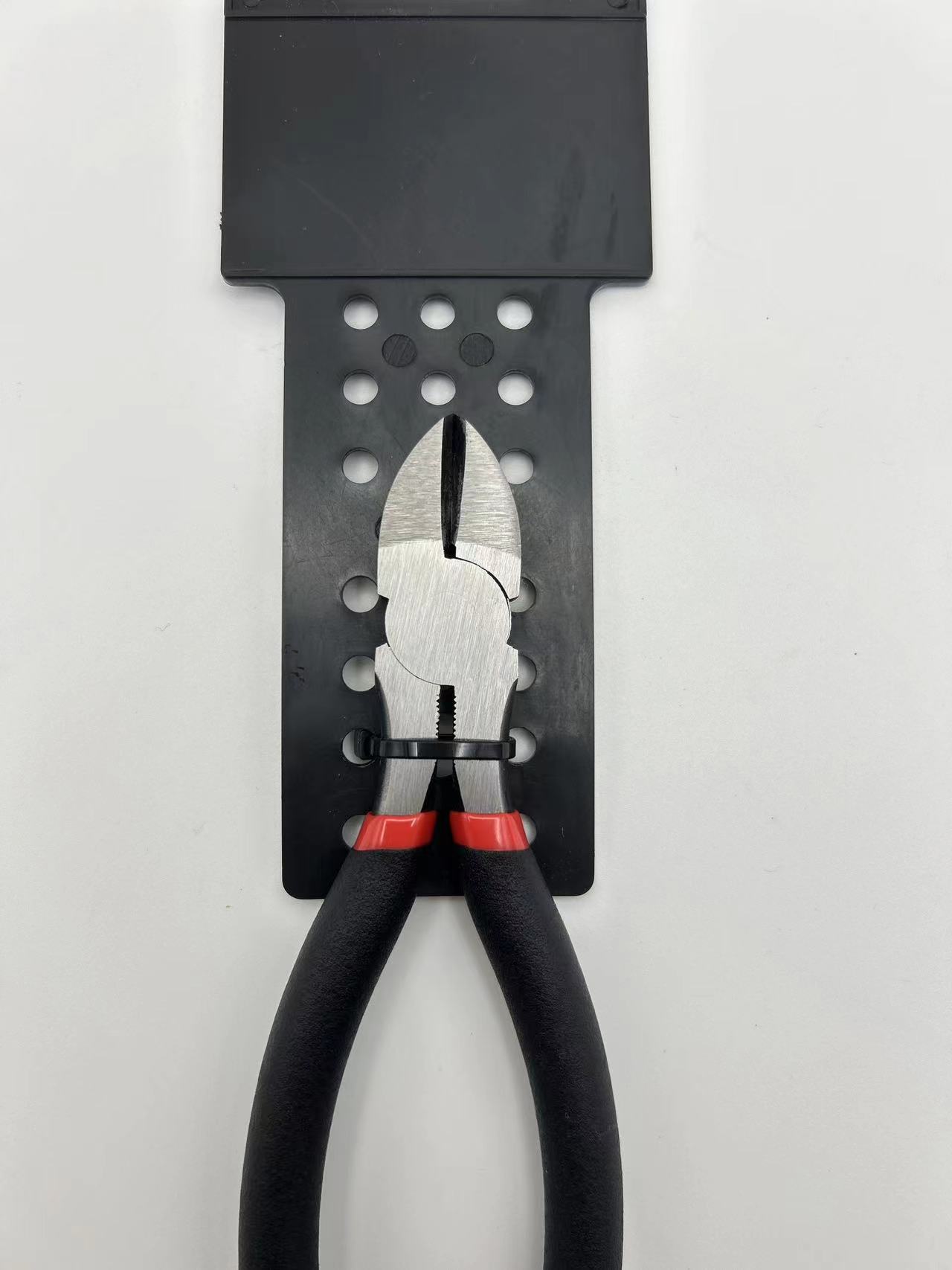
Hardened Steel – Essential for Impact Resistance and Longevity
Selecting a pliers set requires attention not only to jaw configuration but also to metallurgical performance under real-world conditions. The steel's composition, heat treatment, and corrosion resistance determine how well the tool endures friction, chemical exposure, and high-leverage stress, all common in machinery maintenance. Ignoring material science risks premature failure, compromised safety, and reduced repair accuracy. For cutting and gripping edges to retain shape and function under repeated load, hardened steel with a Rockwell C hardness of 54 to 60 is optimal. This range balances edge retention with core toughness, preventing both mushrooming deformation and brittle fracture. Tools hardened below HRC 50 show accelerated wear; industry testing indicates up to 30% faster dulling on hardened wire. Top-tier pliers use drop-forged steel with induction-hardened edges: the surface achieves peak hardness while the core remains ductile, absorbing impact shock and preserving joint integrity over thousands of cycles. This differential hardening sustains jaw alignment, rivet tightness, and serration effectiveness, key to maintaining calibration-grade precision.
Corrosion-Resistant and Non-Sparking Variants for Hazardous or Humid Industrial Settings
Environmental conditions often dictate material choice more than mechanical demand. In marine, chemical, or food-processing environments, standard high-carbon steel rapidly oxidizes. Stainless steel variants with at least 12% chromium form a stable passive oxide layer that resists rust without flaking, though they typically max out at HRC 48 to 52, trading some edge retention for corrosion stability. In contrast, explosive atmospheres such as those found in refineries, grain silos, or paint booths require non-sparking tools made from beryllium copper or aluminum bronze alloys. While softer and more prone to wear, these materials eliminate ignition risk during slips or impacts, meeting OSHA and ATEX compliance requirements for hot work in confined machinery spaces.
Handle Design, Insulation Rating, and Torque Transfer for Reduced Fatigue and Enhanced Control
Ergonomic design directly influences technician endurance, accuracy, and long-term musculoskeletal health. Contoured, non-slip handles sized for a 2.5 to 3.5-inch grip span reduce hand fatigue by up to 30% during repetitive tasks. For electrical applications, IEC 60900-rated insulation is mandatory, providing verified protection against arc flash up to 1,000 volts. Torque transfer efficiency depends heavily on joint construction: box-joint designs minimize lateral flex and direct force precisely to the jaws, delivering consistent gripping power with less hand strain. Selecting pliers with anatomically matched handles and rigid, low-play pivots enables sustained control across extended shifts, reducing micro-trauma and supporting operational continuity in demanding maintenance workflows.
Frequently Asked Questions
What are needle-nose and long-nose pliers used for? Needle-nose and long-nose pliers are used for precision tasks in tight spaces, such as accessing recessed wiring and positioning small components inside electronics.
How do diagonal cutters differ from crimping pliers? Diagonal cutters are for cleanly cutting wires and fasteners, while crimping pliers are designed for making secure mechanical bonds between conductors and terminals.
What makes locking pliers unique? Locking pliers feature a hands-free locking mechanism and offer maximum clamping force for holding workpieces steady during welding or disassembly.
Why is hardened steel critical for pliers? Hardened steel with Rockwell C54 to C60 provides durability, impact resistance, and long-term edge retention, even under repeated stress.
What are non-sparking pliers, and when should they be used? Non-sparking pliers, made from beryllium copper or aluminum bronze, are used in explosive environments to prevent ignition during impacts or slips.