 EN
EN

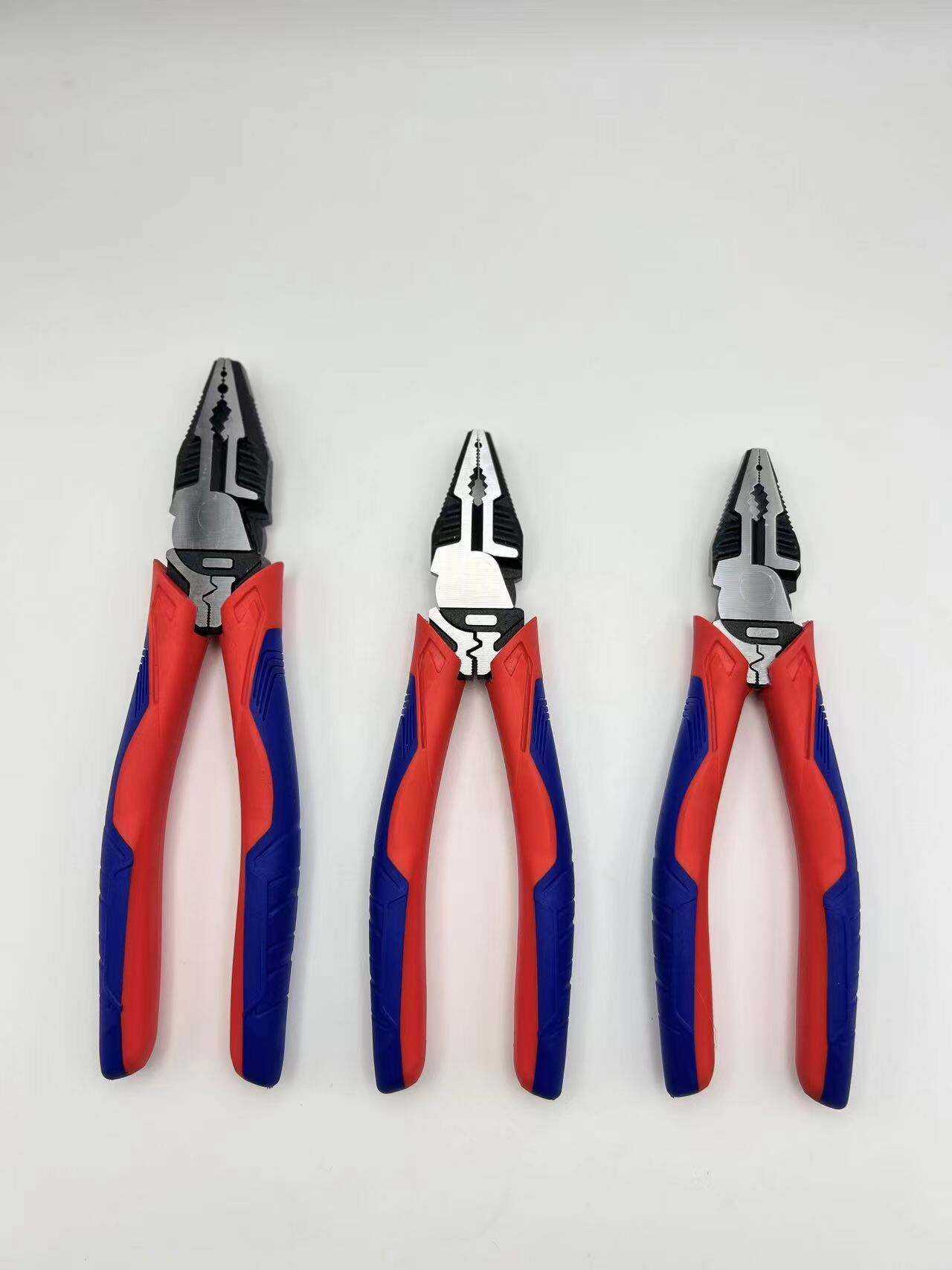
هندسة الفكّ: كيف تُحسّن الملامح المائلة، والمشطّرة، والمنحنية من قبضة الأسلاك والطرفيات؟
لماذا تمنع الحواف المائلة الانزلاق أثناء تقطيب الطرفيات وثني الأسلاك؟
إن الحواف المائلة في هذه الفكّين تزيد فعليًّا مساحة التلامس بنسبة تصل إلى أربعين في المئة مقارنةً بالتصاميم المسطحة الاعتيادية، مما يساعد على الإمساك بالأسلاك غير الملساء تمامًا. وعند إجراء عملية التثبيت (Crimping)، تعمل هذه الزاوية على دفع القوة الجانبية بعيدًا عن المنطقة التي قد تتسبب فيها في مشاكل، لذا تبقى الوصلات ثابتة حتى في حال وجود درجات عالية من الالتواء. كما سيلاحظ الكهربائيون الذين يحتاجون إلى ثني الأسلاك مرارًا وتكرارًا أمرًا مثيرًا للاهتمام أيضًا: فالانحدار اللطيف يوزِّع الضغط على السطح بأكمله بدل تركيزه في نقطة واحدة، ما يقلل احتمال تشوه المعدن أو تآكله مع مرور الوقت. وقد أظهرت بعض الاختبارات الميدانية الفعلية أن المحترفين الذين يستخدمون هذه الماسورات المتخصصة يُعدِّلون قبضتهم فقط بنسبة تبلغ نحو اثنين وثلاثين في المئة مقارنةً بمن يستخدمون الأدوات العادية. وهذه النسبة تُحدث فرقًا ملموسًا في المهام الطويلة.
المفاضلة الدقيقة: تجنُّب الإفراط في التسنُّن للموصِّلات ذات المقاس الصغير (من 22 إلى 16 AWG)
تُساعد الأسنان المُسنَّنة بالتأكيد في تثبيت الأسلاك الأكبر حجمًا بشكل أفضل، ولكن عندما تصبح الحواف حادة جدًّا فإنها تُضعف بدقة العمل مع الموصلات ذات المقاسات من ٢٢ إلى ١٦. فقد تؤدي التخفيضات العميقة في السلك إلى مشكلات عديدة مثل خدش الخيوط الفردية أو تسطيح أطراف التوصيل (Terminal Lugs) أو انسدادها في مادة العزل، وأيٌّ من هذه المشكلات سيُضعف موثوقية التوصيلات على المدى الطويل. أما بالنسبة للمهام التي تتطلب أسلاكًا أصغر مقاسًا، فيبدو أن عمق الأسنان المُسنَّنة المناسب يتراوح بين ٠٫٣ و٠٫٥ ملم تقريبًا؛ فهذا العمق كافٍ لمنع الانزلاق دون إلحاق الضرر بالنحاس نفسه. وعند إجراء الاختبارات باستخدام معدات التصوير الحراري، أظهرت النتائج أن الأدوات ذات الأسنان الضحلة حافظت على موصلية تبلغ نحو ٩٨٪، بينما بلغت الموصلية في الأدوات ذات التخفيضات الأعمق نحو ٨٥٪ فقط في ظل ظروف تحميل مماثلة.
تصميم مقبض مريح بيولوجيًّا: تقليل الإرهاق مع الحفاظ على تحكم عالٍ في القبضة
تتطلب كماشات التجميع تصاميم مقابض تقاوم الإرهاق دون التضحية بالتحكم—وخاصة أثناء أعمال الكهرباء الممتدة.
التصنيع المتعدد المواد المزدوج مقابل الفولاذ المُنقوش التقليدي: مقاومة الانزلاق في ظروف الواقع العملي عند وجود ماء أو زيوت
عند العمل في الظروف الخطرة، تتفوق عملية التشكيل المزدوج للمواد (Dual Material Overmolding) على مقابض الفولاذ المُنقوشة العادية بشكلٍ كبير. وفي أغلب الأحيان، نجد أن قلوب هذه المقابض مصنوعة من الفولاذ وتُغطَّى بمواد مطاطية حرارية البلاستيك (TPR) في مناطق الإمساك. وتضمن النقوش المجهرية الخاصة الموجودة على هذه المواد المركبة ثبات الإمساك حتى عند وجود مواد دهنية عليها. وأظهرت الاختبارات أن معامل الاحتكاك لهذه المقابض يبقى عند مستوى ٠٫٨ أو أعلى عند التزييت، بينما ينخفض معامل الاحتكاك للأسطح الفولاذية المنقوشة القياسية إلى أقل من ٠٫٣. وهذا يعني تحسُّنًا في أمان الإمساك بنسبة تصل إلى نحو ثلثيْن، وهو فارقٌ جوهريٌّ عند سحب الكابلات عبر المساحات الضيقة أو عند التعامل مع الألواح. وقد أفاد كهربائيون اختبروا هذه الأدوات بأنهم اضطروا إلى الإمساك بها بقوةٍ أكبر بكثيرٍ عند استخدام المقابض التقليدية. وتشير بعض الدراسات إلى أن العمال يستخدمون فعليًّا ما يقارب ثلاثين بالمئة أقل من القوة عند الإمساك بالأدوات المُغلفة بالتشكيل المزدوج طوال يوم العمل. وبذلك، يؤدي انخفاض التحميل العضلي إلى تقليل آلام العضلات بعد تلك الفترات الطويلة التي قد تمتد إلى أربع ساعات متواصلة في موقع العمل.
زاوية ذراع الرافعة المُحسَّنة (انحراف بقيمة ١٥°) وتأثيرها على ميكانيكا المعصم أثناء المهام المتكررة
عندما تكون مفاتيح التجميع مزودة بمقبض منحرف بزاوية ١٥ درجة، فإنها تتماشى فعليًّا بشكل أفضل مع وضع الذراع السفلي الطبيعي لدينا، الذي يتراوح بين ٠ و١٥ درجة من الانحراف الزندي. ويُسهم هذا الوضع في الحدِّ من الإجهاد الواقع على الأوتار بشكلٍ كبير. ووفقًا لبعض الدراسات الحديثة المنشورة في «المجلة الدولية للإرجونوميكس الصناعية» عام ٢٠٢٣، أبلغ العمال عن انخفاضٍ نسبته نحو ٤٢٪ في عدم راحة المعصم أثناء أداء مهام التقطيب والتقشير المتكرِّرة، مقارنةً بالأدوات ذات المقبض المستقيم التقليدية. كما أن التصميم المحسَّن لا يعود بالنفع على الراحة فحسب، بل يقلِّل الضغط الواقع على اليدين بنسبة تقارب ٢٧٪. وبفضل ذلك، يستطيع الكهربائيون إنجاز حِمل عملهم اليومي المكوَّن من أكثر من ٥٠ عملية توصيل دون ارتكاب أخطاء ناجمة عن إرهاق الأصابع أو اليدين.
هندسة المواد والسطح: فولاذ كرومي-فاناديوم وتنقير سطحي دقيق لتحقيق قبضة متفوِّقة
يختار معظم المحترفين سبائك الفولاذ الكروم-فاناديوم عند حاجتهم إلى كماشات تجميعية قوية، لأنها تحقق التوازن المثالي بين الصلادة الكافية لضمان المتانة والمتانة الكافية لتحمل التآكل والاهتراء. ويمنح الكروم هذه الأدوات حماية إضافية ضد الخدوش والتآكل، بينما يقوم الفاناديوم بشيء مذهل أيضًا: فهو يُصغّر حبيبات المعدن فعليًّا، ما يسمح للكماشات بامتصاص الصدمات بشكل أفضل. وهذا أمرٌ بالغ الأهمية عندما يقوم الكهربائيون بلف الأسلاك العنيدة أو تجعيد الموصلات المقاومة للتشوه. وقد ذهب المصنعون إلى أبعد من ذلك عبر نقش أنماط دقيقة جدًّا على فكي الكماشة باستخدام الليزر. وما يحدث بعد ذلك مثيرٌ للاهتمام: فهذه الأخاديد المجهرية تعمل كقنوات صغيرة تمتص قطرات الزيت والماء التي قد تؤدي خلاف ذلك إلى انزلاق الأداة. ووفقًا للاختبارات التي أُجريت في ورش العمل في جميع أنحاء البلاد، فإن هذه المعالجة الخاصة تحافظ على قدرة الكماشات على الإمساك بنسبة تزيد بنحو ٤٠٪ مقارنةً بالكماشات المصنوعة من الفولاذ الكربوني العادي بعد شهور من الاستخدام اليومي. وللكهربائيين الذين يعملون في ظروف ملوثة حيث ينتشر الزيت في كل مكان أو تمتد رطوبة المطر إلى جميع الأجزاء، فإن امتلاك قبضة موثوقة يعني حدوث حوادث أقل وتلفًا أقل في عزل الأسلاك. وبصراحة، لا أحد يرغب في المخاطرة بحدوث دوائر قصيرة أثناء العمل على لوائح التوزيع الكهربائية المشحونة.
أداء مُحقَّق ميدانيًّا: تحسينات في القبضة قاسها كهربائيون في بيئات المرافق والسكنية
دراسة حالة: شركة تركيب أنظمة الطاقة الشمسية خفَّضت حوادث سقوط الأدوات بنسبة ٧١٪ باستخدام كماشة تركيبية من الجيل التالي
لقد شهدت إحدى شركات تركيب أنظمة الطاقة الشمسية انخفاضًا في حالات سقوط الأدوات بنسبة تقارب ٧٠٪ بعد أن بدأت في استخدام هذه الكماشة التركيبية المزودة بمقبضين مصنوعين من مادتين مختلفتين وفكّين ناعمين مُنْقَشَيْن بدقة. وكان العمال الذين يعملون على الأسطح يعانون باستمرار من انزلاق الأدوات أثناء توصيل الألواح، لا سيما عندما تصبح أيديهم عرقية في الأيام الحارة. وبتحليل تقارير الحوادث على مدى ستة أشهر، انخفض عدد حالات سقوط الأدوات بشكل كبير من نحو ٣,٢ حادثة إلى ما يقارب ٠,٩ حادثة لكل ١٠٠ ساعة عمل. ولقد لاحظ المشرفون أن العمال يقضون وقتًا أقل في استرجاع الأدوات الساقطة، وأن عدد التوصيلات التالفة قد انخفض أيضًا، ما أدى فعليًّا إلى تسريع عمليات التركيب الكاملة بنسبة تصل إلى ١١٪. وتتميَّز هذه الكماشة ذات القبضة الفائقة حقًّا بكفاءتها في الأماكن الضيِّقة القريبة من صناديق التوزيع، حيث لا تستقر الأدوات الاعتيادية فيها إطلاقًا.
بيانات الحقل وفق معيار UL 508A: زيادة بنسبة 32% في الاحتفاظ بالعزم في كماشة التوصيلات ذات الفك المائل
عندما خضع معدّات التوصيلات الكهربائية المتوافقة مع معيار UL 508A لاختبارات مكثفة، لاحظ الكهربائيون أمرًا مثيرًا للاهتمام بشأن كماشة التوصيلات ذات الفك المائل. فقد حافظت هذه الأدوات على قدرتها على توليد العزم بنسبة تصل إلى 32% أفضل من الأنواع القياسية. فخلال أعمال إعادة توصيل الأسلاك المنزلية، تمكن الفنيون باستمرارٍ من تطبيق عزم يبلغ نحو 40 رطل-إنش على براغي التوصيلات حتى بعد تكرار العملية مباشرةً 200 مرة. أما الكماشات القياسية فقد بدأت تفقد قوة القبض بسرعةٍ كبيرةٍ أيضًا، حيث انخفضت بنسبة 15% بعد 50 دورة فقط بسبب انزلاق المقبضين. لكن كمّاشة التوصيلات ذات الفك المائل المُجدَّدة حافظت على معظم قوتها، وبقيت تُولِّد ما يقارب 92% من قوة القبض الأصلية طوال فترة الاختبار. أما ما يبرز حقًّا في هذه الكماشات المصممة من جديد فهو قدرتها على منع الانزياح الجانبي (Cam Out) عند سحب الأسلاك بزوايا مائلة، لا سيما مع الموصلات ذات المقاسات من 14 إلى 12 AWG. ويُشكِّل هذا فرقًا جوهريًّا عند العمل في المساحات الضيقة فوق الرأس، حيث تكتسب الراحة والتحكم أهمية قصوى خلال ساعات العمل الطويلة.
الأسئلة الشائعة
- ما فوائد الحواف المائلة في كماشة؟ تزيد الحواف المائلة من مساحة التلامس بين الكماشة والأسلاك، مما يمنع الانزلاق أثناء المهام مثل التثبيت (Crimping) وثني الأسلاك.
- كيف تؤثر الزخارف السنية (Serrations) على قبضة الأسلاك ذات القطر الصغير؟ قد تتسبب الزخارف السنية المفرطة في تلف الأسلاك ذات القطر الصغير، ما يجعل التوصيلات غير موثوقة؛ ويُعد عمق الزخرفة المثالي حوالي ٠٫٣ إلى ٠٫٥ ملليمتر.
- ما الميزة التي توفرها مقابض التغليف المزدوج المواد (Dual-material overmolding)؟ توفر مقابض التغليف المزدوج المواد مقاومة أفضل للانزلاق في الظروف الرطبة والزيتية مقارنةً بالمقابض الفولاذية التقليدية ذات السطح المُنْقَش.
- كيف يؤثر تصميم المقابض على راحة المستخدم؟ يُحاذي التصميم المائل للمقابض بزاوية ١٥° وضع الذراع السفلي الطبيعي، مما يقلل من إجهاد المعصم ويزيد من راحة المستخدم أثناء المهام المتكررة.
- لماذا يُفضَّل استخدام فولاذ الكروم-الفاناديوم في صنع الكماشة؟ يوفِّر فولاذ الكروم-الفاناديوم توازنًا ممتازًا بين المتانة وقدرة امتصاص الصدمات، ما يجعله مثاليًا للكماشة القوية والطويلة الأمد.
جدول المحتويات
- هندسة الفكّ: كيف تُحسّن الملامح المائلة، والمشطّرة، والمنحنية من قبضة الأسلاك والطرفيات؟
- تصميم مقبض مريح بيولوجيًّا: تقليل الإرهاق مع الحفاظ على تحكم عالٍ في القبضة
- هندسة المواد والسطح: فولاذ كرومي-فاناديوم وتنقير سطحي دقيق لتحقيق قبضة متفوِّقة
- أداء مُحقَّق ميدانيًّا: تحسينات في القبضة قاسها كهربائيون في بيئات المرافق والسكنية