 EN
EN

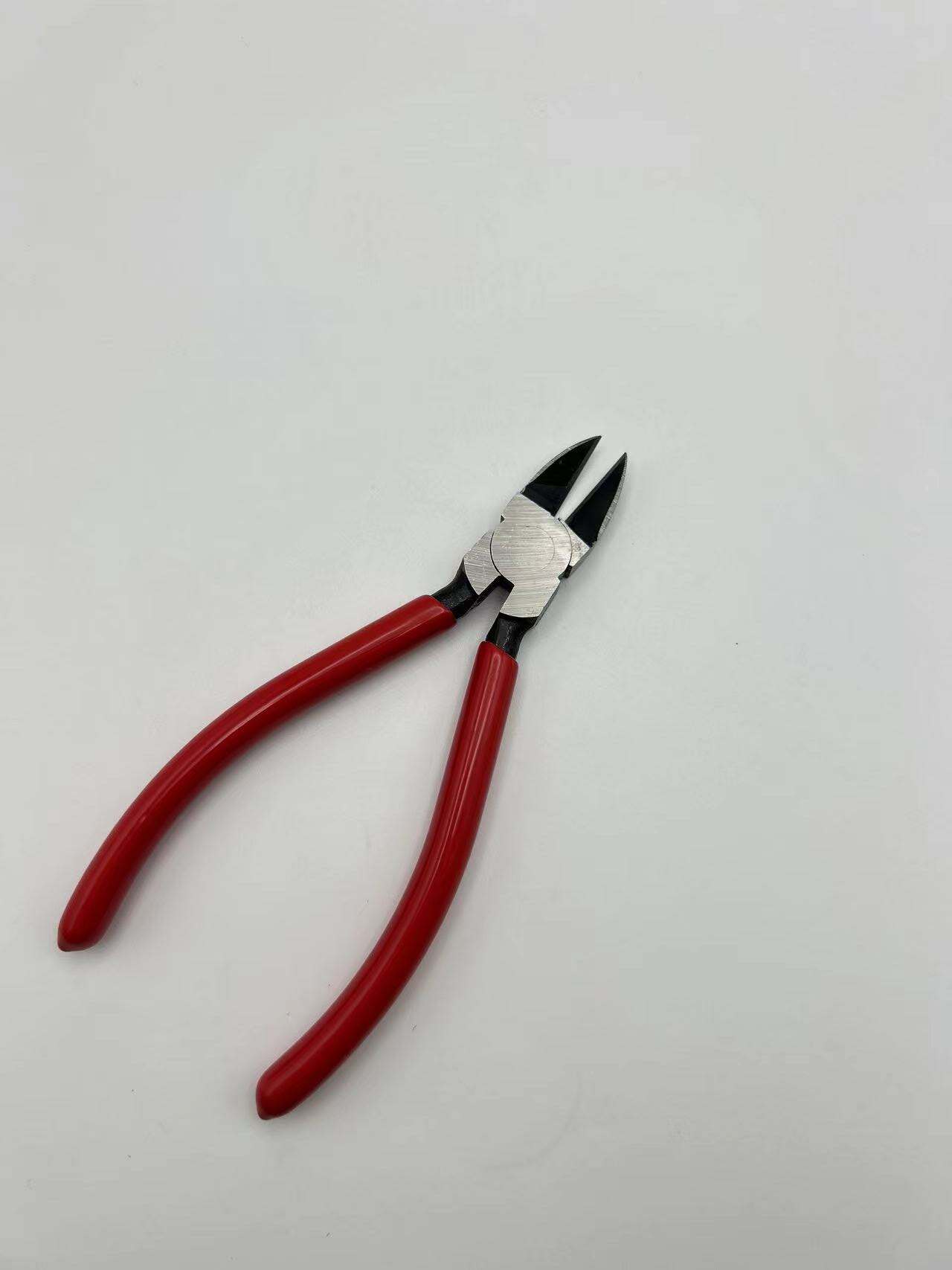
معايرة وصيانة أدوات التقطيب لتحقيق دقة ثابتة
وتيرة المعايرة والمعايير القابلة للتتبع (مثل معيار IPC/WHMA-A-620 ومعيار ISO 9001)
إن الحفاظ على معايرة أدوات التقطيب بشكلٍ صحيحٍ أمرٌ بالغ الأهمية لتحقيق متطلبات الجودة في قطاع التصنيع. وتوصي معظم الإرشادات الصناعية، ومنها معيارَي IPC/WHMA-A-620 وISO 9001، بمعايرة هذه الأدوات مرةً واحدةً سنويًّا في ظل الظروف العادية للعمل في الورشة، مع العلم أن المنشآت التي تُجري أكثر من ١٠٠٠٠ عملية تقطيب سنويًّا عادةً ما تحتاج إلى فحص معداتها مرتين في العام. أما من حيث التوثيق، فإن امتلاك سجلاتٍ ترتبط بمعايير وطنية معترفٍ بها يسهِّلُ كثيرًا إجراء عمليات التدقيق لضمان الامتثال. وتشير الدراسات إلى أن نحو ٨ من أصل ١٠ مشكلات تتعلَّق بالوصلات ناجمةٌ عن عدم معايرة الأدوات بشكلٍ صحيح. وغالبًا ما تظهر هذه المشكلات إما على شكل ارتفاعات تقطيب تختلف عن القيمة المحددة بأكثر من ٠٫٠٣ ملم، أو على هيئة فراغات تتكون داخل الوصلات وتتجاوز نسبتها ١٠٪. أما في القطاعات الحساسة مثل هندسة الطيران والفضاء أو تصنيع الأجهزة الطبية، فإن هذا النوع من العيوب غير مقبولٍ إطلاقًا، نظرًا لعدم وجود أي هامشٍ للخطأ في تلك التطبيقات الحرجة.
قائمة مراجعة الصيانة الوقائية: فحص التآكل، وتوتر النابض، وانخراط الترس التصاعدي
الصيانة الاستباقية تطيل عمر أداة التقطيب بنسبة تصل إلى ٤٠٪ وتمنع الانحراف الحرج في الأداء. نفّذ هذه القائمة المبنية على الأدلة بعد كل ٥٠٠ عملية تقطيب أو شهريًّا — أيهما يحدث أولًا:
- فحص تآكل القالب : قِس أبعاد القالب باستخدام مقارنات بصرية؛ واستبدله إذا تجاوز التآكل ٠٫٠٥ مم
- التحقق من توتر النابض : اختبر قوة العودة باستخدام مقاييس معايرة (ويجب ألا تقل عن ٢٠ نيوتن لضمان إفلات طرفي التوصيل بشكلٍ متسق)
- التحقق من آلية الترس التصاعدي : تأكَّد من الانخراط الميكانيكي الكامل قبل بدء عملية الضغط
- بروتوكول التشحيم : طبِّق مركبات مضادة للاحتكاك المحددة من قِبل الشركة المصنِّعة على المحاور الدوارة شهريًّا
تؤدي الصيانة الشاملة إلى خفض تباين قوة التقطيب بنسبة ٦٠٪، كما تقلل بشكلٍ كبيرٍ من خطر التقطيب غير الكافي — ما يحسّن مباشرةً مقاومة سحب السلك بنسبة ١٥٪.
اختيار أداة التقطيب المناسبة والقوالب المُناسبة لمواصفات الأسلاك والطرفيات
مطابقة قوالب أداة التقطيب مع مقاس السلك بوحدة AWG ونوع مادة الطرفية (مثل النحاس المطلي بالقصدير)
إن الحصول على قوالب أدوات التقطيب المناسبة، المُطابَقة لكلٍّ من مقاس السلك بوحدة AWG ونوع مادة الطرفية، أمرٌ بالغ الأهمية لإجراء تلك الوصلات الكهربائية المتينة والموثوقة. وعندما يحاول شخصٌ ما استخدام قوالب مُصمَّمة للأسلاك ذات المقاس 10–12 AWG على طرفية مقاسها 16 AWG، فإن النتيجة تكون تقطيبات ضعيفة تقل قوتها بنسبة تقارب 30% عند سحبها للانفصال، وفقًا لأبحاث شركة «نيكسانز» الصادرة العام الماضي. وتختلف الحالة اختلافًا كبيرًا عند التعامل مع الطرفيات النحاسية المطلية بالقصدير مقارنةً بالطرفيات النحاسية العادية. فهذه المواد المختلفة تتطلب أشكالًا خاصةً من القوالب. وإذا استُخدمت تركيبة خاطئة معًا، فقد يؤدي ذلك فعليًّا إلى إتلاف العزل أثناء عملية الضغط، وهذه المشكلة تُشكِّل نحو ثلث جميع المشكلات التي تظهر في الميدان فيما يتعلَّق بالوصلات المقطَّبة. ولذلك، يجب على الفنيين التحقُّق من جداول توافق الشركات المصنِّعة قبل وضع أي أداة في الخدمة.
أخطاء محاذاة القوالب وتأثيرها على تباين ارتفاع التقطيب (>±0.02 مم) وتكوُّن الفراغات
عندما لا تكون القوالب مُرَكَّبةً بشكلٍ صحيح، نلاحظ تباينًا في ارتفاعات التضييق يتجاوز النطاق المقبول المحدد بـ ±0.02 مم. ويؤدي ذلك إلى مشاكل مثل تكوُّن جيوب هوائية داخل الوصلات، ما يرفع المقاومة الكهربائية بنسبة تصل إلى 15٪. وتتفاقم الحالة في الظروف الرطبة، حيث تبدأ عملية التآكل في التآكل التدريجي لهذه النقاط الضعيفة. وتشير بيانات القطاع إلى أن مشاكل المحاذاة هذه تشكِّل ما يقارب 30٪ من حالات الفشل المبكر في حزم الأسلاك، لأن هذه الفجوات الصغيرة تتبدَّل في النهاية إلى شقوق عندما تتمدد المكونات أو تنكمش أثناء التغيرات الحرارية.
الاستفادة من أدوات التضييق ذات آلية التثبيت التلقائي لضمان إنجاز عمليات التضييق بدورة كاملة
تقلل أدوات التقطيب ذات آلية التثبيت التلقائي من الأخطاء البشرية لأنها تُجبر الأداة على إكمال كل دورة ضغط بشكلٍ صحيح. وتتميّز هذه الأدوات بنظام عمل مزدوج يخفف العبء عن اليدين، إذ تقلل القوة المطلوبة بنسبة تصل إلى ٧٠٪ تقريبًا. علاوةً على ذلك، تتضمّن آلية تثبيت تلقائي (رتشت) لا تُفلت الطرف إلا بعد أن يصل فعليًّا إلى مستوى الضغط المطلوب. وهذا أمرٌ في غاية الأهمية، لأن التقطيب الجزئي يشكّل مشكلةً كبيرةً تسبّب نحو ٨٣٪ من جميع مشكلات الاتصال الميدانية وفقًا لبيانات معهد موثوقية الموصلات لعام ٢٠٢٣. كما أن الأجزاء المصنوعة بدقة داخل هذه الأدوات، والتي خضعت للطحن الدقيق، تنقر بوضوح عند ازدياد الضغط وتبقى مُفعَّلةً حتى يتم بلوغ مستوى القوة المحدَّد، عادةً ضمن دقة تبلغ حوالي ٥٪ بغض النظر عن قوة أو ضعف قبضة المستخدم. وبفضل هذه الأداء المتسق، نلاحظ عدة فوائد رئيسية عند استخدام أدوات التثبيت التلقائي مقارنةً بالطرز القياسية.
- الضغط الموحَّد للأسلاك
- إغلاق كامل للأسطوانة
- استمرارية كهربائية مستقرة
من خلال فرض إكمال الدورة الكاملة، تحقق أدوات التثبيت ذات المقبض التصاعدي ارتفاعات تثبيت قابلة للتكرار ضمن مدى ±0.01 مم—مُحقِّقةً متطلبات الفئة 3 من معيار IPC/WHMA-A-620 للتطبيقات الحرجة التي تتعرَّض لاهتزازات عالية.
التحقق من دقة أداة التثبيت عبر الاختبارات النوعية الكمية للجودة
ارتفاع التثبيت (±0.01 مم)، وقوة السحب الخارجي (≥13.3 نيوتن للأسلاك مقاس 22 AWG)، وتحليل المقطع العرضي
يتحقق الاختبار الكمي لأدوات التقطيب من دقة أدائها عبر ثلاثة عوامل رئيسية. ويجب أن يظل ارتفاع التقطيب ضمن نطاق ±٠٫٠١ مم. ونقوم بقياس ذلك باستخدام ميكرومترات رقمية خضعت للمعايرة المناسبة. فإذا خرج القياس عن هذا النطاق بشكل كبير، فإننا نتعرّض لخطر الحصول على وصلات فضفاضة أو تلف الموصل نفسه. أما الاختبار المهم الآخر فيركّز على مقدار القوة اللازمة لسحب الوصلة للخارج. وللموصلات القياسية ذات المقاس ٢٢ AWG، يجب ألا تقل هذه القوة عن ١٣٫٣ نيوتن كي تتمكن من تحمل ما قد يحدث أثناء التشغيل العادي. وعند تقطيع عينات التقطيب وصقلها ثم فحصها تحت المجهر، يمكن اكتشاف المشكلات الخفية مثل الفراغات أو الشقوق أو عدم إغلاق الجزء الأسطواني بالكامل حول السلك. ويشير معظم الخبراء إلى ضرورة إجراء جميع هذه الاختبارات معًا مرة واحدة شهريًّا. وقد سجّلت شركة رائدة في قطاع الطيران والفضاء انخفاضًا في حالات الفشل الميدانية بنسبة تقارب ٤٠٪ بعد أن بدأت في إجراء فحوصات منتظمة للقطاع العرضي وفقًا لتقرير الجودة الأحدث الصادر عام ٢٠٢٣. وبالمتابعة المنتظمة لدرجة اهتراء الأدوات عبر القياسات الدقيقة المتكررة، نضمن استمرار موثوقية عمليات التقطيب على المدى الطويل. وهذا أمرٌ في غاية الأهمية في القطاعات التي يؤدي فيها فشل الوصلات إلى عواقب كارثية، مثل صناعة السيارات والطائرات والأجهزة الطبية.
تفاصيل التنفيذ الرئيسية:
- ارتفاع الكبس : استخدام ميكرومترات رقمية معتمدة ومُعايرة وفقًا لمعايير NIST أو ما يعادلها من المعايير الوطنية
- قوة السحب للخارج : تطبيق قوة شد تدريجية ومتجانسة حتى حدوث الفشل
- مقطع عرضي : صقل العينات وحفرها قبل الفحص المجهري للكشف عن سلامتها المعدنية
- التردد : الاختبار الشهري يكشف عن ٨٩٪ من مشكلات التآكل الأولي للأدوات قبل أن تؤثر على إنتاجية التشغيل
الأسئلة الشائعة
ما مدى تكرار حاجة أدوات الكبس إلى المعايرة؟
توصي الإرشادات الصناعية مثل IPC/WHMA-A-620 وISO 9001 بمعايرة الأدوات سنويًّا أثناء العمليات العادية. ومع ذلك، يجب على المنشآت التي تقوم بأكثر من ١٠٬٠٠٠ عملية تثبيت (Crimps) سنويًّا أن تُجري المعايرة مرتين في السنة لضمان أداءٍ ثابت.
ما هي المكونات الرئيسية لقائمة فحص الصيانة الوقائية لأدوات التثبيت؟
يجب أن تتضمَّن القائمة فحص تآكل القوالب، والتحقق من شد النابض، والتحقق من صحة آلية التثبيت التدريجي (Ratcheting)، والتشحيم الشهري باستخدام المركبات المحددة من قِبل الشركة المصنِّعة لضمان إطالة عمر الأداة وموثوقيتها.
لماذا تُعَد محاذاة القالب مهمةً في عمليات التثبيت؟
يمنع المحاذاة الصحيحة للقالب حدوث تباينات في ارتفاعات التثبيت بما يتجاوز ±0.02 مم، مما يضمن عدم تكوّن فراغات داخل الوصلات، والتي قد تؤدي إلى زيادة المقاومة الكهربائية وحدوث عطل مبكر.
كيف تُحسِّن أدوات التثبيت ذات آلية القفل (Ratcheting) موثوقية الوصلات؟
تفرض أدوات التثبيت ذات آلية القفل إكمال دورات الضغط بالكامل، مما يقلل من الأخطاء البشرية، ويضمن ضغط الخيوط بشكل متجانس، وإغلاق الجزء الأسطواني بالكامل، واستقرار التوصيل الكهربائي، وهي عوامل حاسمة في التطبيقات الحرجة التي تتطلب أداءً مضمونًا.
ما الطرق الاختبارية التي تُستخدم للتحقق من دقة أدوات التثبيت؟
يمكن التحقق من دقة أدوات التثبيت من خلال قياس ارتفاع التثبيت، واختبار قوة السحب، وتحليل المقطع العرضي للكشف عن العيوب المخفية وضمان الموثوقية على المدى الطويل.