 EN
EN

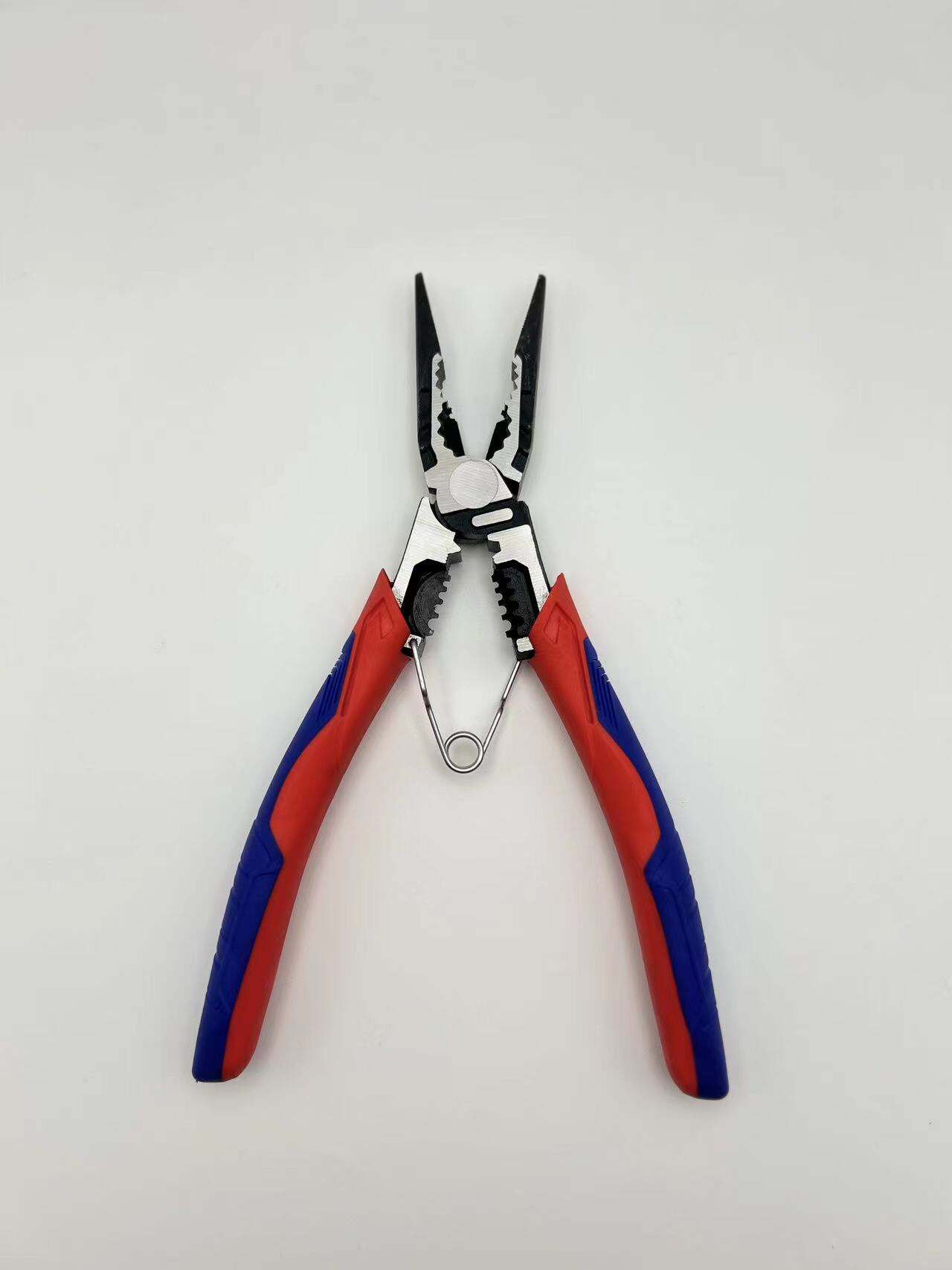
كيف يضمن تصميم مجَرِّد الأسلاك تقشيرًا آمنًا وخاليًا من التلف عبر نطاق المقاسات من AWG 10 إلى AWG 30
الفتحات الخاصة بكل مقاس والهندسة الدقيقة لشكل الشفرة تمنع خدش العزل وتلف خيوط الموصل
تتكوّن الفتحات المُصمَّمة خصيصًا لأحجام أسلاك محددة، بدءًا من مقاس AWG 10 ووصولًا إلى مقاس AWG 30، الأساسَ الذي تقوم عليه عمليات إزالة العزل بشكلٍ موثوقٍ وآمن. وتضمن هذه الفتحات المصمَّمة خصيصًا الحفاظ على عمق القطع ضمن مدى تسامح يبلغ حوالي ٠٫٠٥ مم، ما يساعد في تجنُّب إتلاف الموصل عند إزالة العزل. وتتميَّز شفرات الأداة بزاوية مائلة تتراوح بين ٣٠ و٤٥ درجة، مما يسمح لها بالقطع السلس للمواد مثل البولي فينيل كلورايد (PVC) والتفلون والبولي إيثيلين المتشابك شبكيًّا دون إلحاق الضرر بخيوط السلك. وقد خضعت هذه التصميمات الخاصة للشفرات لاختباراتٍ معتمدةٍ وفق معايير شركة UL، وحقَّقت نتائجَ شبه مثالية، حيث أظهرت ٩٨٪ من الاختبارات عدم حدوث أي ضررٍ في الموصلات المجدولة أو الموصلات الصلبة. وعند التعامل مع الأسلاك الرقيقة جدًّا في نطاق مقاسات AWG ٢٨ إلى ٣٠ (حيث ينخفض قطر الموصل إلى أقل من ٠٫١ مم)، تصبح دقة هذه القياسات أمرًا حاسمًا تمامًا؛ إذ قد تؤدي الانحرافات الطفيفة حتى إلى انقطاع الخيوط، ما يجعل السلك غير صالحٍ للاستعمال. ولذلك فإن اختيار الفتحة المناسبة لا يتعلق فقط بالكفاءة، بل هو مسألة أمانٍ أيضًا. فتمزُّق العزل الذي يكشف الموصلات العارية يشكِّل سببًا لنحو ثمانية من أصل عشرة حوادث قصر كهربائي، وفق البيانات التي جُمعت وفق إرشادات NFPA 70E.
لماذا يؤدي اختيار الفتحة غير المتطابقة إلى انتهاك معايير الجودة في وثيقتَي IPC-A-610 وNASA-STD-8739
الحصول على الفتحة الخاطئة ليس مجرد إهدار للوقت، بل يُعتبر فعليًّا مشكلة جسيمة وفق معايير IPC-A-610H، لأن ذلك قد يؤدي إلى ضغط العازل وتشويه الموصلات. أما معيار ناسا 8739.4 فلا يسمح إطلاقًا باستخدام فتحات غير متناسقة مع مقاس السلك. ويطلب هذا المعيار فحص التلف الناتج عن التفكيك بصريًّا أو تحت المجهر في حال تجاوز نسبة التلف ١٠٪ من حجم الموصل — وهي ظاهرة تحدث باستمرار عندما يحاول شخصٌ ما تفكيك سلك مقاس ١٤ AWG باستخدام فتحة مخصصة لسلك مقاس ١٠ AWG. وعندما تكون الفتحات كبيرة جدًّا، فإنها تُطبِّق ضغطًا زائدًا على الأسلاك، ما يقلِّل قدرتها على حمل التيار بنسبة تتراوح بين ١٥٪ و٤٠٪. أما الفتحات الصغيرة فتؤدي إلى مشكلات مختلفة، مثل شد العازل حتى يصبح هشًّا، ما يخلق نقاط إجهاد خفية تظهر لاحقًا. وفي القطاعات التي تكتسب فيها الموثوقية أهمية قصوى، يعود ما يقارب ٩ من أصل ١٠ حالات فشل في حزم الأسلاك إلى ممارسات سيئة في عملية التفكيك. وهذا يستلزم إعادة معايرة الأدوات وإعادة تدريب العمال وفق المعايير الصناعية نفسها التي أشرنا إليها سابقًا.
مقشطات الأسلاك القابلة للضبط والقابلة للضبط الذاتي: تحقيق التوازن بين الأتمتة والموثوقية
التحكم المعاير في الضغط وآليات الاستشعار التلقائي لضمان طول متسق للتقشير عبر المقاسات المختلفة
تُستخدم أدوات تقشير الأسلاك القابلة للضبط مع آليات تعمل بالزنبرك، والتي تم معايرتها بعناية للتحكم في مقدار الضغط الذي تطبقه الشفرات. ويساعد ذلك في منع إلحاق الضرر بالموصلات مع الحفاظ على أطوال متسقة لتقشير الأسلاك، بدءًا من العيار الأمريكي AWG 10 وحتى العيار AWG 30. وبعض النماذج ذاتية الضبط تذهب إلى أبعد من ذلك: فهي تستشعر قطر السلك في الوقت الفعلي وتُعدِّل عمق الشفرة وفقًا لذلك. وهذا يقلل من تلك التقطيعات المزعجة في العزل بنسبة تصل إلى ٧٨٪ مقارنةً بما يحدث عند استخدام الأدوات اليدوية العادية عند التعامل مع حزم أسلاك ذات أعيرة مختلفة. وما يميز هذه الأدوات حقًّا هو أنها تلغي تمامًا الحاجة إلى التخمين أثناء عملية التقشير. فلم يعد المشغلون بحاجة إلى القلق من تقشير كمية قليلة جدًّا من العزل — ما قد يؤثر سلبًا على اتصالات الطرفية — أو تقشير كمية كبيرة جدًّا، ما يؤدي فعليًّا إلى إضعاف طرف الموصل. وأفضل النماذج عالية الدقة تحافظ على تباين طول منطقة التقشير عند أقل من ٠٫١ مم حتى بعد تكرار العملية عدة مرات. ويتحقق هذا الأداء باستمرار سواءً عند الانتقال من أسلاك سميكة (عيار AWG 10) إلى أسلاك رقيقة جدًّا (عيار AWG 30). ولذلك فإن هذه الأدوات تحظى بشعبية كبيرة في بيئات الإنتاج التي تُعالَج فيها أحجام مختلفة من الأسلاك بشكل منتظم.
المخاطر الخفية: انحراف المعايرة والاعتماد على المستخدم في تشغيل م stripper الأسلاك ذاتية الضبط
عندما يتعلق الأمر بالأتمتة، توجد دائمًا بعض المشكلات المتعلقة بالموثوقية التي يجب التعامل معها. فالقطع الميكانيكية ببساطة لا تدوم إلى الأبد، وهذا يظهر جليًّا جدًّا في أدوات التفريغ ذاتية الضبط. فوفقًا لمعايير الصيانة الحديثة لعام ٢٠٢٥، يواجه نحو ٤٥٪ من هذه الأدوات مشكلات في المعايرة بعد حوالي ١٠٠٠٠ دورة. وماذا يحدث حينها؟ إما أن قطع العزل لا تتم بشكل كامل، أو — والأمر أسوأ — أن النحاس يُقَصُّ عن طريق الخطأ. ويبدو أن معظم المشغلين يعتقدون أنه بمجرد أتمتة شيء ما، يصبح جاهزًا للتشغيل دون الحاجة لمتابعة مستمرة. ولهذا السبب يهمل العديد منهم عمليات الفحص الشهرية؛ إذ تشير الدراسات الميدانية إلى أن ما يصل إلى ٦٣٪ منهم يتغاضون عنها تمامًا. وعندما يعتمد الناس بشكل مفرط على الأتمتة، فإنهم غالبًا ما يفقدون تلك المهارات التقليدية القديمة. فالمهندسون والفنيون الذين يعملون فقط مع المعدات الآلية غالبًا ما يجدون أنفسهم عاجزين عند حدوث أعطال في الأنظمة، ولا يستطيعون إصلاح الأمور يدويًّا. لكن الشركات الذكية تدرك هذه الحقيقة جيدًا. ولذلك فهي تُركِّب أنظمة إنذار تكتشف متى تبدأ المكونات في التآكل، وتفرض عمليات معايرة منتظمة كل ٥٠٠ عملية، كما تدمج في التصميم تغذية راجعة فيزيائية تسمح للعاملين بالشعور فعليًّا عندما تلاقي الشفرات مقاومة. وهذه الإجراءات العملية تذكّر الجميع بأن الصيانة الجيدة التقليدية لا تزال ذات أهمية بالغة، حتى في ظل وجود أحدث التقنيات.
مقشرات الأسلاك عالمية مقابل متعددة المقاييس: أيهما تقدم حماية أفضل ضد التلف؟
مقارنة تجريبية: معدلات النجاح في التقشير النظيف (٩٢٪ مقابل ٧٦٪) ومرونة نطاق المقاييس
عندما يتعلق الأمر بأداء إزالة العزل، فإن أدوات الإزالة المتعددة المقاييس تتفوق بوضوح على النماذج الشاملة وفقًا لدراسة المعايير الصناعية لعام 2023، والتي أظهرت معدل نجاح قدره ٩٢٪ مقارنةً بـ ٧٦٪ فقط في حالة النماذج الشاملة. والسر يكمن في تلك التجاويف الثابتة التي تم معايرتها بدقة بالليزر خصيصًا لمختلف مقاسات AWG. وهذه الفجوة البالغة ١٦ نقطة تعني فوائد حقيقية في الاستخدام العملي أيضًا: إذ تتماشى شفرات الأداة تمامًا مع الموصلات، فلا خطر من حدوث جروح أو خدوش. ويظل العزل سليمًا لأن الضغط يُحتَرَز منه بفعالية. علاوةً على ذلك، فإن قنوات القطع المُشار إليها بوضوح تمنع المستخدمين من ارتكاب أخطاء تتعلق بالمقاس الذي يعملون عليه. أما أدوات الإزالة الشاملة فهي تركّز أكثر على القابلية للتكيف بدلًا من الدقة، ما يُسبِّب مشاكل — لا سيما عند التعامل مع الأسلاك الرقيقة جدًّا ذات المقاسات AWG 28 إلى 30. فمزايا التعديل التلقائي في هذه الأدوات غالبًا ما تؤدي إلى تكسير العزل أو تمزيقه بدلًا من إزالته بسلاسة ونظافة. وتتعامل معظم أدوات الإزالة المتعددة المقاييس بكفاءة مع كل شيء بدءًا من سلك AWG 10 ووصولًا إلى سلك AWG 24 دون أي انقطاع أو خطأ. أما الانتقال بين أسلاك سميكة جدًّا وأخرى رقيقة جدًّا باستخدام النماذج الشاملة؟ فاستعد لتغيير الإعدادات يدويًّا باستمرار. وللمهام الحرجة مثل توصيلات الطيران والفضاء الخاضعة لمعايير مثل NASA-STD-8739، تُحدِّد ورش العمل استخدام أدوات الإزالة المتعددة المقاييس لأنها ببساطة لا تسبب أي تلفٍ مرارًا وتكرارًا.
أبرز ٣ أخطاء يرتكبها المستخدمون وتؤدي إلى تلف الأسلاك— وكيف يمنع المُجَرِّد المناسب حدوثها
ويُعزى الغالبية العظمى من تلف الأسلاك أثناء عملية التجريد إلى ثلاثة أخطاء يرتكبها المشغلون: عدم تطابق مقاس السلك مع الفتحة المُختارة، وتطبيق قوة مفرطة، وعدم اتساق طول العزل المُزال.
أولاً، يؤدي اختيار فتحة أكبر من مقاس السلك الفعلي إلى سحق الخيوط النحاسية وتدهور التوصيل الكهربائي، ما يُخالف معيار IPC-A-610 ويزيد المقاومة عند نقاط الاتصال. أما الفتحات الأصغر حجماً فتمدد العزل وتقطعه، مما يعرّي الموصلات. وتمنع المجاريد الدقيقة حدوث ذلك بفضل علامات مقاس AWG المحفورة بالليزر والمُحاذاة بدقة مع الأبعاد القياسية الصناعية.
ثانياً، يؤدي الضغط اليدوي غير المتحكم فيه إلى ظهور خدوش دقيقة جدًا تتطوّر لاحقاً إلى شقوق إرهاقية تحت تأثير التغيرات الحرارية أو الاهتزازات. وتقوم أنظمة التحكم في التوتر المزودة بنوابض بتحديد القوة المطبَّقة عند مستويات ثبت أنها آمنة لكل مقاس سلك— وبذلك تلغي هذه المتغيّر تماماً.
ثالثًا، إزالة كمية كبيرة جدًّا من العزل (>6.4 مم / ¼ بوصة) قد تؤدي إلى حدوث دوائر قصيرة أو تعرض السلك للعوامل البيئية؛ أما إزالة كمية قليلة جدًّا من العزل (<2 مم) فتمنع إدخال الطرف بشكلٍ صحيح وتكوين التثبيت (Crimp) بالشكل المطلوب. وتُحدِّد الحدود المدمجة لعمق القطع سفر النصل ميكانيكيًّا، مما يضمن طول الإزالة الدقيق بغض النظر عن خبرة المستخدم.
آليات الوقاية في الأدوات المُحسَّنة:
- فجوات مُخصَّصة حسب القطر تكفل محاذاة دقيقة بين النصل والموصل
- مقابض مُحدَّدة العزم تمنع تشويه الموصل
- أدلّة قابلة للضبط لطول الإزالة تكفل إزالة العزل بالطول الدقيق المطلوب
الأسئلة الشائعة
ما أهمية اختيار الفتحة الصحيحة في أدوات تقشير الأسلاك؟
يُعد اختيار الفتحة الصحيحة أمرًا بالغ الأهمية من حيث الكفاءة والسلامة معًا، إذ قد تؤدي الفتحات غير المناسبة إلى تمزُّق العزل، أو كشف الموصل العاري، أو حتى التسبب في دوائر كهربائية قصيرة.
كيف تمنع أدوات تقشير الأسلاك القابلة للضبط والقابلة للضبط الذاتي تلف الأسلاك؟
تستخدم هذه الأدوات تحكمًا معايرًا في الضغط وآليات استشعار تلقائية لضمان طول ثابت لتقشير العزل ومنع تلف الموصل عن طريق ضبط عمق الشفرة وفقًا لقطر السلك.
لماذا قد تكون أدوات تقشير الأسلاك الشاملة أقل فعالية من الأدوات المتعددة المقاسات؟
تركّز أدوات تقشير الأسلاك الشاملة على القدرة على التكيّف بدلًا من الدقة، مما قد يؤدي إلى تلف العزل، لا سيما في الأسلاك ذات المقاسات الصغيرة، بينما تحتوي الأدوات المتعددة المقاسات على فتحات ثابتة لتشغيل دقيق.
جدول المحتويات
- كيف يضمن تصميم مجَرِّد الأسلاك تقشيرًا آمنًا وخاليًا من التلف عبر نطاق المقاسات من AWG 10 إلى AWG 30
- مقشطات الأسلاك القابلة للضبط والقابلة للضبط الذاتي: تحقيق التوازن بين الأتمتة والموثوقية
- مقشرات الأسلاك عالمية مقابل متعددة المقاييس: أيهما تقدم حماية أفضل ضد التلف؟
- أبرز ٣ أخطاء يرتكبها المستخدمون وتؤدي إلى تلف الأسلاك— وكيف يمنع المُجَرِّد المناسب حدوثها
- الأسئلة الشائعة