 EN
EN

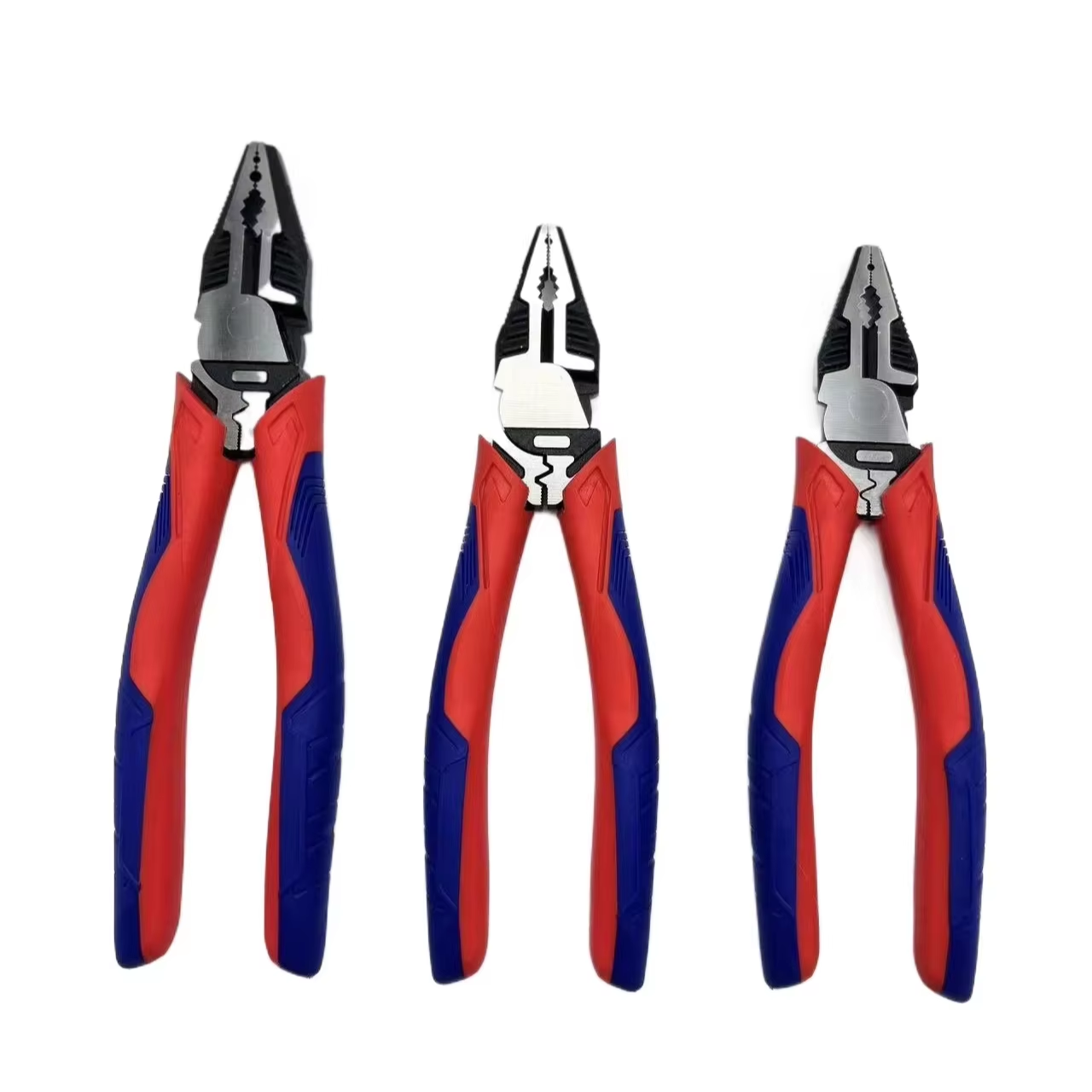
چرا قلابها برای پوشش کامل وظایف به ابزارهای دستی دیگر نیاز دارند
قیچیها برای نگهداشتن اشیاء، خم کردن فلز و برش مناسب هستند، اما برای کارهایی که به گشتاور بالا، برش بسیار دقیق یا کار با مهرهپیچها با دقت نیاز دارند، مناسب نیستند. به همین دلیل، اکثر پروژههای جدی مرتبط با تجهیزات، نیازمند ترکیب قیچی با ابزارهای دستی تخصصی دیگر هستند تا تمام نیازها پوشش داده شود. به عنوان مثال، در کارهای برقی. قیچی میتواند به طور قطعی سیمها را در حین اتصال نگه دارد، اما زمانی که لازم باشد عایق سیم بدون آسیب زدن به هادی داخلی برش داده شود، هیچ چیز جای یک دستگاه برشدهنده سیم با کیفیت را نمیتواند پر کند. تاسیسات لولهکشی نیز حوزه دیگری است که در آن قیچیها عملکرد ضعیفی دارند. لولههای گرد تحت فکهای معمولی قیچی هرچقدر هم که تلاش شود حرکت نمیکنند. به همین دلیل است که لولهکاران به جای آن از آچار لوله استفاده میکنند. طبق تحقیقاتی که سال گذشته در مجله مهندسی مکانیک منتشر شده است، استفاده از ترکیب مناسب ابزارها برای وظایف خاص میتواند میزان تکمیل کارها را تقریباً ۴۰ درصد افزایش دهد.
همافزایی از مکانیک مکمل ناشی میشود:
- قلاچینها موقعیت قطعات را تثبیت میکنند، در حالی که پیچگوشتیها نیروی چرخشی کالیبره شده اعمال میکنند
- آچارهای قابل تنظیم دامنه گیرش را افزایش میدهند جایی که فکهای قلاچین به محدودیت مکانیکی میرسند
- قلاچینهای سرنازک فضاهای محدود را دسترسی میکنند، اما برای برش صاف به چاقوهای چندمنظوره وابسته هستند
بدون این ترکیبات، متخصصان در معرض خطر نصبهای ناقص، آسیب مواد ناشی از استفاده نادرست از ابزار یا کاهش ایمنی قرار دارند. این متقابلبودن توضیح میدهد که چرا ۷۸٪ از کارگران حرفهای حداقل سه ابزار دستی تخصصی را همراه با قلاچین در کیتهای اصلی خود حمل میکنند — دستگاههای تکعملکردی را از طریق جفتسازی استراتژیک به سیستمهای کاری یکپارچه تبدیل میکنند.
۴ ابزار دستی برتر که بیشترین ترکیب را با قلاچین دارند
کاتر سیم: برش دقیق در جایی که قلاچینها گیر میکنند
قیچیهای برقکاری برای سیمهای نرم مناسب هستند، اما معمولاً در کار با رساناهای سختتر دچار مشکل میشوند. بیشتر افراد متوجه میشوند که باید نیروی بسیار زیادی وارد کنند که در نتیجه به جای برش تمیز، باعث آسیب به ماده میشود. در اینجا است که قیچیهای مناسب سیم نقش مهمی ایفا میکنند. این ابزارها از چیزی به نام اهرم مرکب استفاده میکنند که به آنها توان برشی بسیار بیشتری نسبت به قیچیهای معمولی میدهد. طراحی خاص این ابزار شامل فکهای فولادی زاویهدار است که برشهای تمیز و صافی را دقیقاً کنار هر سطحی که روی آن کار میکنند، ایجاد میکند. قیچیهای معمولی قادر به انجام این کار نیستند، زیرا سر آنها بیش از حد بزرگ و نامناسب است. برای هر کسی که در تعمیرات الکترونیک، ساخت جواهرات یا نصب سیستمهای الکتریکی کار جدی انجام میدهد، داشتن قیچی سیم خوب تفاوت بزرگی ایجاد میکند، چرا که رساناهای آسیبدیده میتوانند بعداً مشکلات جدی ایجاد کنند.
پیچگوشتیها: محکم کردن قفلها پس از موقعیتیابی با قیچی
هنگامی که چیزها را باید به هم متصل کرد، اغلب از پنچهها برای نگه داشتن مهرهها، پیچها و نگهدارندهها در جای خود استفاده میشود. با این حال، فکهای دندانهدار آنها میتوانند سطوح نرمتری مانند آلومینیوم، پلاستیک یا چوب را هنگام چرخاندن خراش دهند یا آسیب بزنند. در اینجا است که پیچگوشتیها کارآیی خود را نشان میدهند؛ آنها کنترل بهتری روی مقدار نیروی پیچشی وارد شده فراهم میکنند. هم انواع تخت و هم انواع کراس (فیلیپس) به جلوگیری از آسیب دیدن رزوهها در قطعات برنجی یا سایر مواد حساس کمک میکنند. برخی از نوکهای پیچگوشتی حتی دارای آهنربای داخلی هستند که جمعآوری پیچهای گمشده را بسیار آسانتر میکند، بهویژه در نقاط دوردست یا جاهایی که دید محدود است. این نوکهای مغناطیسی واقعاً کاری را که پنچهها آغاز میکنند اما نمیتوانند به تنهایی به پایان برسانند — یعنی دقیقاً موقعیتدادن و سپس محکم کردن یک قطعه — به طور کامل به انجام میرسانند.
آچارهای قابل تنظیم: افزودن کنترل گشتاور به گیرههای مبتنی بر انبردست
آچار قابل تنظیم واقعاً در کار با اتصالات ششگوش برجسته میشوند، زیرا گیر محکمی فراهم میکنند و نسبت به انبرهای معمولی لغزش ندارند. چه چیزی آنها را خاص میکند؟ آن دهانههای موازی و صاف، فشار را بهخوبی روی تمام سطوح قطعه پیچبسته توزیع میکنند. انبرها برای این کار مناسب نیستند، زیرا نوک تیز آنها میتواند به جای گیر دادن مناسب، گوشههای قطعه را گرد کند. لولهکشها این موضوع را خوب میدانند، زیرا سفت کردن بیش از حد اتصالات مسی میتواند منجر به نشتی در همه جا شود. و حدس بزنید؟ طبق تحقیق مؤسسه پونمون از سال ۲۰۲۳، لولههای نشتی هر ساله حدود ۷۴۰٫۰۰۰ دلار به صاحبان خانهها هزینه تحمیل میکنند. علاوه بر این، این آچارها مکانیزم تنظیمی مشابه ریزسنج دارند، بنابراین کارگران در محل کار نیازی به تعویض مداوم بین انبرهای مختلف با اندازههای متفاوت ندارند.
انبر دمسوزنی + چاقوهای کاربردی: ترکیبی از گیر دادن و برش در فضاهای تنگ
قیچیهای نوک تیز برای کارهای الکترونیکی، نگهداری سیستمهای گرمایشی، تهویه و تبرید و تعمیر لوازم خانگی ضروری هستند، زیرا میتوانند به فضاهای تنگی دسترسی پیدا کنند که انگشتان انسان نمیتوانند وارد شوند. این ابزار به موقعیتدهی قطعات یا گرفتن قطعات ریزی که همیشه به نظر میرسد جابجا میشوند کمک میکند. اما بیایید صادق باشیم، این قیچیها برای برش تمیز چیزها خوب نیستند، زیرا فکهای آنها لبه تیز مورد نیاز برای کارهای مرتب برش را ندارند. در اینجا است که چاقوهای کاربردی به عنوان همراه مناسب ظاهر میشوند. یک تیغه خوب میتواند عایق را برش دهد، واشرها را به اندازه مورد نیاز ببرد یا بستهای نایلونی را دقیقاً روی سطح برش دهد بدون اینکه به مواد اطراف آسیب برساند. طبق برخی گزارشهای میدانی از مراکز تعمیرات، تکنسینهایی که هر دو ابزار را همراه خود دارند، هنگام کار در داخل تابلوهای برق شلوغ، کمتر بین ابزارهای مختلف تعویض میکنند. برای تکنسینهای سیار که دائماً در حال رقابت با زمان هستند، داشتن این ترکیب به معنای تکمیل سریعتر کارها و کنترل بهتر بر قطعات حساس است.
راهنمای انتخاب مبتنی بر وظیفه: هماهنگسازی ابزارهای دستی دیگر با سناریوهای رایج سختافزاری
انتخاب مناسب سایر ابزارهای دستی استفاده همزمان با پنچ به بهینهسازی اجرای پروژه، افزایش ایمنی و جلوگیری از آسیب به قطعات کمک میکند. این رویکرد نقاط قوت هر ابزار را به کار میگیرد و به طور مستقیم محدودیتهای پنچ در دقت، گشتاور یا دسترسی را جبران میکند.
کارهای برقی: پنچ + ارههای سیمگیر + قیچی کابل
قابضههای معمولی میتوانند سیمها را به خوبی بگیرند و شکل دهند، اما کنترل دقیق لازم برای جدا کردن عایق بدون آسیب زدن به هادی زیرین یا برش تمیز کابلهای ضخیم را ندارند. در همینجا است که قلمموهای سیم مفید ظاهر میشوند. این ابزارها به مهندسان برق اجازه میدهند تا عایق را دقیقاً و بدون خراشیدن سیم داخلی جدا کنند که بسیار مهم است، چرا که عایق آسیب دیده منجر به اتصال کوتاههای آزاردهندهای میشود که هیچکس دوست ندارد. برای برش کابلها، به ویژه انواع زرهپوش یا کابلهایی با رشتههای متعدد درونی، قیچیهای خوب کابل تفاوت بزرگی ایجاد میکنند. این ابزارها برشهای تمیز و صاف تولید میکنند، نه این که سرسرهای پرزدار و نامرتبی برجای بگذارند که بعداً اتصالات را خراب میکنند. هنگامی که این سه ابزار پایه با هم استفاده میشوند، تکنسینها وقت کمتری را صرف تعمیر اشتباهات میکنند و بیشتر زمان خود را روی انجام صحیح کارها از ابتدا میگذرانند و در عین حال تمام کدهای الکتریکی لازم را رعایت میکنند.
تعمیرات لولهکشی: پانچ + واکنشدهنده حوضچه + دستگاه رزوهکاری لوله
قابضهای معمولی برای بیشتر اتصالاتی که به راحتی در دسترس هستند مناسب هستند، اما زمانی که در نقاط نامناسب زیر سینکها یا پشت دیوارها کار میکنید و فضا محدود است، تمایل به لغزش دارند. در همینجا است که آچار حوضچه (بازین رنچ) وارد عمل میشود. این ابزارها به لولهکشان چسبندگی دقیق لازم را در زوایای مشکلساز میدهند تا بتوانند قطعات را به درستی محکم کنند بدون آنکه مجبور باشند ابتدا همه چیز را جدا کنند. هر زمان که شخصی نیاز به نصب بخشهای جدید لوله داشته باشد، هیچ چیز جای یک دستگاه رزوهکاری لوله با کیفیت خوب را نمیگیرد تا رزوههای تمیز و یکنواختی ایجاد کند که واقعاً در جای خود نگه داشته شوند و از نشتی جلوگیری کنند. قابضها به هیچ وجه فشار کنترلشده مورد نیاز برای این کار را ندارند. استفاده ترکیبی از این ابزارهای تخصصی به جلوگیری از انواع مشکلات در آینده کمک میکند، مانند رزوههای آسیبدیده، اتصالات شکسته و تعمیرات گرانقیمت ناشی از خسارت آبی که هیچکس نمیخواهد با آن سر و کار داشته باشد.
سوالات متداول
- محدودیتهای اصلی قابضها چیست؟ قابضها بهترین انتخاب برای کارهایی که نیاز به گشتاور، برش دقیق یا دستکاری مراقبانه قطعات سریع دارند، نیستند. آنها بهتر است در ترکیب با ابزارهایی مانند ابزار لختهبردار سیم، پیچگوشتی و آچار استفاده شوند.
- کدام ابزارها معمولاً همراه قابض استفاده میشوند؟ ابزارهایی مانند قیچی سیم، پیچگوشتی، آچار قابل تنظیم و قابض سرنازک همراه تیغهای فلزی از جمله ابزارهایی هستند که اغلب برای عملکرد کاملتر با قابض استفاده میشوند.
- چرا متخصصان ابزارهای متعددی را همراه قابض حمل میکنند؟ حمل چندین ابزار همراه با قابض به متخصصان اجازه میدهد تا بهطور کارآمد انواع کارها را انجام دهند، ایمنی را افزایش دهند و از آسیب دیدن مواد جلوگیری کنند.
- تیغهای فلزی چگونه قابض سرنازک را کمک میکنند؟ تیغهای فلزی برای کارهای برشی که قابض سرنازک قادر به انجام تمیز آنها نیست، ایدهآل هستند؛ مانند برش عایقبندی یا قطع بستهای نایلونی.