 EN
EN

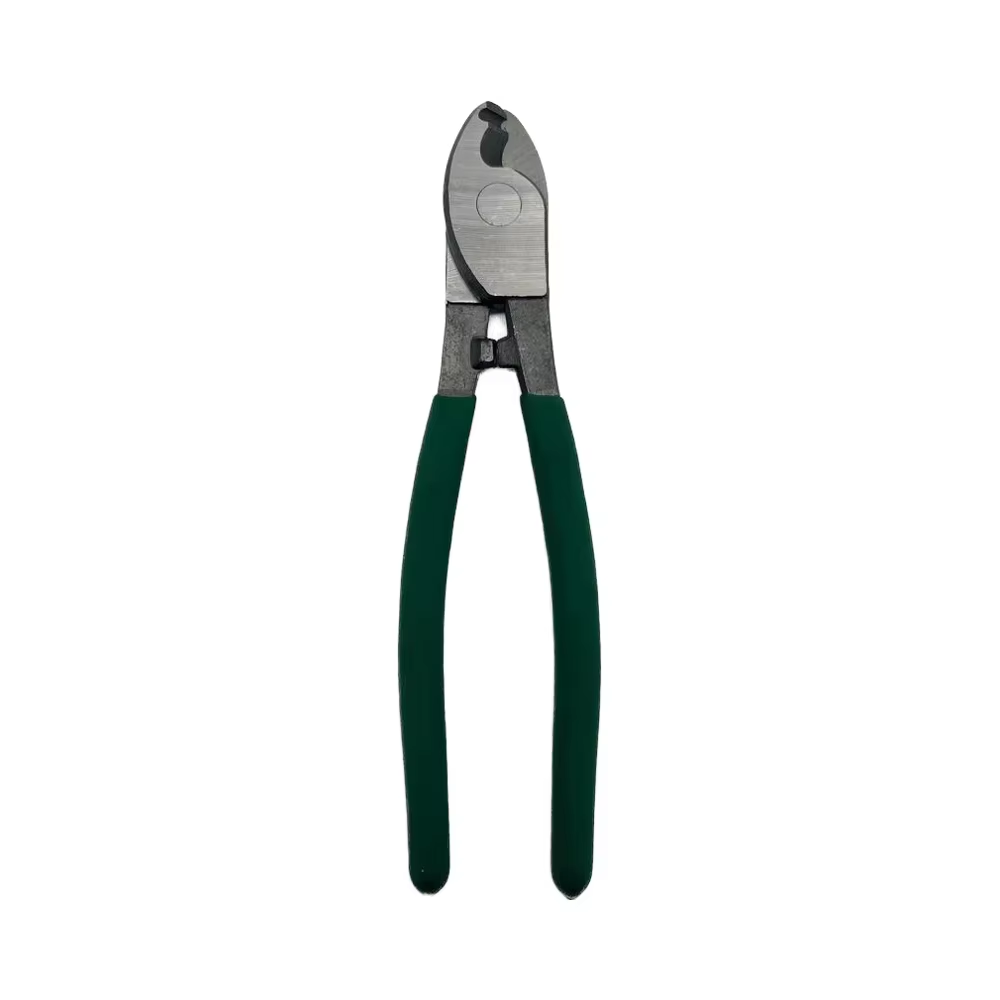
چرا دامنه قابل تنظیم گیر اصلیترین معیار برای انبردست پمپ آب است
محدودیت ابزارهای با اندازه ثابت روی لولههای متغیر قطر
ابزارهای فک ثابت در مواجهه با اندازههای مختلف لوله که لولهکشها روزانه با آن مواجه هستند - از نیم اینچ تا دو اینچ - که اندازه اسمی لوله در سیستمهای خانگی معمولی است، کارساز نیستند. وقتی تکنسینها مجبورند بین چندین آچار مخصوص جابجا شوند، کار را کند میکند و احتمال لغزش را افزایش میدهد، به خصوص هنگام کار روی اتصالات زنگ زده یا نامنظم. گرفتن نامناسب به معنای آسیب دیدن رزوهها یا صاف شدن لولههای مسی است که در واقع یکی از دلایل اصلی شکست تعمیرات در آینده است. طبق دادههای Plumbing Manufacturers International از سال گذشته، این نوع اشتباهات معمولاً هر بار حدود پانصد دلار هزینه دارند. پس از دیدن این اتفاق بارها، مشخص میشود که فکهای قابل تنظیم نه تنها خوب هستند، بلکه برای هر کسی که میخواهد کارهای لولهکشی مناسب را بدون سردردهای مداوم در آینده انجام دهد، کاملاً ضروری هستند.
مکانیسم گروو-جوینت چگونه انتقال روان بین اندازهها را ممکن میسازد
قابض آب بهراستی اندازههای مختلف لوله را برمیآورد بخاطر سیستم خاص اتصال شیاردارش. یک مسیر دندانهدار وجود دارد که به فک پایینی اجازه حرکت آزاد میدهد، اما همه چیز را درست و بدون تکانخوردن در خط قرار میدهد. این قابض نیازی به تنظیم مداوم ندارد، برخلاف آچارهای قابل تنظیم معمولی. آنها در تمام طول کار استحکام گیر مناسبی حفظ میکنند و تماس کاملی در تمام دور لوله فراهم میکنند، چه روی لولههای تامین نیم اینچی کار کنید و چه با لولههای بزرگتر دو و نیم اینچی سر و کار داشته باشید. طبق آزمایشهای منتشر شده در مجله سیستمهای مکانیکی سال گذشته، لولهکشهایی که از این قابضهای اتصال شیاردار استفاده میکنند، زمانی که با چندین اندازه لوله بهطور همزمان کار میکنند، حدود ۴۰ درصد سریعتر کارشان را به پایان میرسانند. علاوه بر این، دندانهها عملیات حرارتی دیدهاند، بنابراین حتی زمانی که شرایط به خاطر آب یا روغن لیز شوند نیز محکم میمانند. این موضوع تفاوت بزرگی در کارهای لولهکشی واقعی ایجاد میکند که شرایط همیشه ایدهآل نیست.
تطابق قلاچههای آبکش با اندازههای استاندارد لوله و اتصالات
اندازههای لولههای تاسیسات مسکونی (½" تا 2" NPS) و بازشوهای مورد نیاز فک
بیشتر سیستمهای لولهکشی خانگی از لولههایی با قطر نیم اینچ تا دو اینچ استفاده میکنند. هنگام کار با این اندازهها، لولهکشان به پلمبهای آبی نیاز دارند که بتوانند به درستی گیر بیاورند. فکها باید حداقل حدود 0.6 اینچ برای لولههای نیم اینچی و حدود 2.1 اینچ برای لولههای دو اینچی باز شوند. اگر در این مورد اشتباه کنید، مشکلات به سرعت پیش میآید. ابزار کوچکتر از حد مطلوب باعث میشود سرپیچها از روی لولهها کند شوند. ابزار بزرگتر از حد مطلوب؟ در این صورت کار در فضاهای تنگ غیرممکن میشود، به ویژه وقتی با شیرهای کوچک قطع و وصل درون کابینتها سروکار دارید. طبق آمار صنعت، تقریباً هشت در هر ده نشت خانگی را میشد جلوی آن را گرفت اگر از ابزارهای مناسب استفاده شده بود. بنابراین در مورد الزامات اندازه فک برای این ابزارهای ضروری تاسیساتی حدس نزنید یا تقریب نگیرید.
استفاده از نمودارهای ظرفیت فک سازنده برای انتخاب دقیق پلمب آبی
بهترین راه برای تطبیق ابزارها با کارهای مورد نیاز، بررسی جداول ظرفیت فک سازنده است. این جداول به طور اساسی طول انبرها را، مانند ۷ اینچی، ۱۰ اینچی یا حتی ۱۲ اینچی، به آنچه واقعاً میتوانند بگیرند پیوند میدهند. مدلهای کوچکتر حدود ۱٫۲۶ اینچ و مدلهای بزرگتر تا حدود ۲٫۰۵ اینچ قطر را در بر میگیرند. هنگام انتخاب انبر، فقط به طول آن روی کاغذ توجه نکنید. آنها را با اندازه لولههای واقعی که کارگران روزانه با آنها سروکار دارند مقایسه کنید. و قبل از خرید هر چیزی حتماً با کالیپر باز شدن فکها را به درستی اندازهگیری کنید. حتی تفاوتهای کوچکی معادل ۰٫۱ اینچ هم زمانی که باید چیزی را محکم نگه داشت، تفاوت بزرگی ایجاد میکند. فروشگاههای لولهکشی چیز جالبی گزارش میکنند: مکانیکهایی که این رویکرد را دنبال میکنند، به نظر میرسد تقریباً یک سوم مشکلات ناشی از عدم تطابق ابزارها را اجتناب میکنند.
ویژگیهای طراحی مهمی که چنگش قابل اعتماد را در تمام اندازهها حفظ میکنند
محور ثابت در مقابل فک لغزان: تأثیر بر یکنواختی گشتاور و تنظیم ریز
ابزارهای با محور ثابت برای قطعاتی که همه از یک اندازهاند عالی کار میکنند، اما لولهکشها میدانند که در دنیای واقعی لولهها در هر قطری که تصور کنید موجود هستند. در همینجا است که فکهای متحرک در شرایط پیچیده امروزی لولهکشی به درخشش میپردازند. این آچارها به کارگران اجازه میدهند تا در حالی که همچنان بر روی قطعهای که میخواهند شل یا سفت کنند نگه داشتهاند، تنظیم لازم را انجام دهند. این موضوع تفاوت بزرگی زمانی ایجاد میکند که با اتصالات قدیمی زنگزده یا فیتینگهای مخروطی پیچیدهای سروکار دارید که به نظر میرسد دیگر کسی یادشان نباشد. توانایی تنظیم در لحظه باعث کاهش آسیب به قطعات فلزی مانند گوهای گردشده یا رزوههای خراشیده میشود که بعداً تعمیر آنها زمان و هزینه بیشتری دارد. بیشتر متخصصان به هر کسی که سوال کند میگویند آچارهای فک متحرک به تجهیزات استاندارد جعبه ابزار آنها برای انجام انواع کارهای لولهکشی مسکونی تبدیل شدهاند.
مصالح و معاوضات وزن: دوام فولاد با استحکام بالا در مقابل کنترل ارگونومیک
هنگام کار با بارهای زیاد در فشار دادن، فولاد مقاوم به کشش مانع از از هم پاشیدن قطعات میشود که این ویژگی بهویژه هنگام کار با اتصالات فولادی سفت یا انتهای لولههای خمشده که همکاری نمیکنند، بسیار مهم است. اما تمام این وزن و حجم معایبی نیز دارد. ابزارهایی که وزنشان از ۶۰۰ گرم بیشتر شود میتوانند دستها را پس از مدت کوتاهی از کار کردن، خسته کنند. با این حال، تولیدکنندگان هوشمند راهحلهایی برای دور زدن این مشکل پیدا کردهاند. آنها از هستههای آلیاژی فورج شده استفاده میکنند که همچنان مقاومت کافی دارند اما ابزار را سنگین نمیکنند. دستهها به شکلی طراحی شدهاند که بهتر در دست جا شوند و فشار را بهجای متمرکز شدن در یک نقطه، بهصورت یکنواخت توزیع میکنند. و فراموش نکنید سطوح گrip – آنها بافتی داخلی دارند تا حتی در صورت چرب بودن انگشتان نیز جابهجا نشوند. در نتیجه به ابزاری محکم برای کارهای جدی دست مییابیم که آنقدر سبک است که پس از یک یا دو ساعت کار بازوها را از کار نمیاندازد.
سوالات متداول
چرا گیره آبکش تنظیمپذیر برای کارهای لولهکشی ضروری است؟
چنگکهای تنظیمشونده آبیاری برای کارهای لولهکشی ضروری هستند، زیرا امکان تنظیمات سریع را فراهم میکنند و گیر قوی روی اندازههای مختلف لوله تضمین میکنند، که احتمال آسیب دیدن اتصالات را کاهش داده و زمان صرفهجویی میشود.
مکانیزم شیار-پینی چگونه به چنگکهای آبیاری مفید است؟
مکانیزم شیار-پینی انتقال روان اندازهها و گیر محکمی بدون نیاز به تنظیم مداوم فراهم میکند و باعث میشود چنگکها در کار با اندازههای مختلف لوله کارآمدتر باشند.
در انتخاب چنگک آبیاری چه چیزهایی باید در نظر گرفت؟
ظرفیت فک را برای اندازههای لولهای که با آنها سروکار دارید در نظر بگیرید، جداول ظرفیت فک سازنده را بررسی کنید و با استفاده از کولیس، بازشوی فکها را دقیق اندازهگیری کنید تا انتخاب صحیح ابزار تضمین شود.
مزیت مکانیزم فک لغزان نسبت به ابزارهای با محور ثابت چیست؟
مکانیزم فک لغزان امکان تنظیمات ریز را فراهم میکند، ثبات گشتاور را حفظ میکند و برای قطرهای مختلف لوله انعطافپذیرتر است و خطر آسیب دیدن اتصالات را به حداقل میرساند.
انتخاب مواد در چنگکهای آبیاری چرا مهم است؟
انتخاب ماده هم بر دوام و هم بر ارگونومی تأثیر میگذارد؛ فولاد با استحکام بالا مقاومت لازم را فراهم میکند، در حالی که طراحیهای ارگونومیک و مواد سبکوزن راحتی کاربر را بهبود میبخشند.