 EN
EN

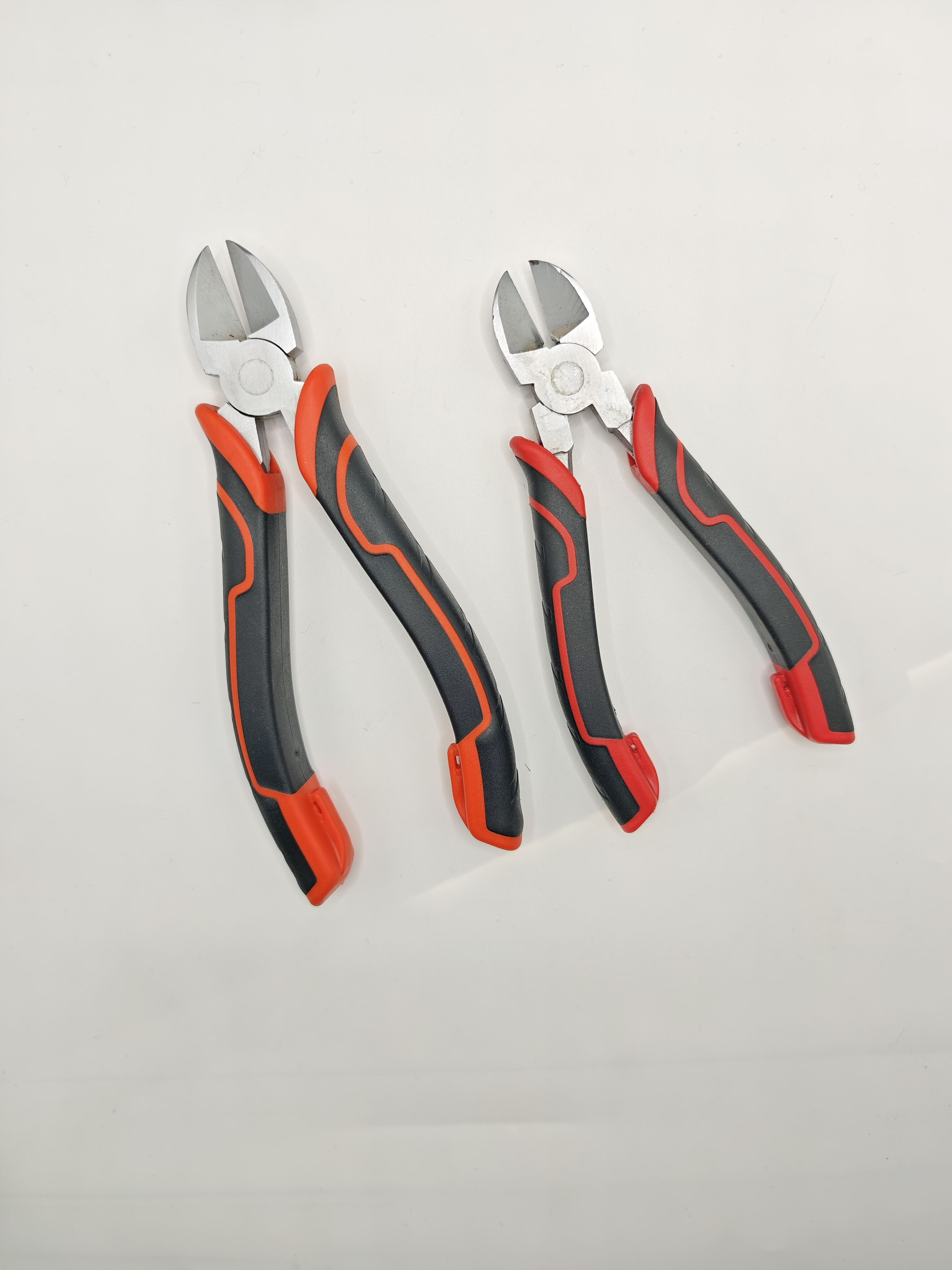
Core Steel Types Used in Premium Pliers
Why high-carbon steels (e.g., 1095) and alloy tool steels (S2, 8660) dominate professional-grade pliers
Steels with high carbon content, specifically grades like 1095, are known for their remarkable hardness levels around HRC 58 to 62. This makes them perfect choices when creating cutting edges that need to hold up against deformation over time. The reason behind this impressive property lies in the fact that these steels contain more than 0.6% carbon, which allows for strong martensite formation once they've been properly heat treated. When we look at alloy tool steels such as S2 or 8660, things get even better. These materials include elements like chromium, tungsten and silicon that boost toughness while still maintaining good wear resistance properties. This combination is especially important for tools like pliers that face constant impacts during daily operations in factories and workshops. Most serious tool makers prefer these specialized steels since they can withstand about two to three times more stress cycles before breaking down compared to regular steel options. As a result, workers in fields ranging from electrical installations to metal fabrication benefit from longer lasting equipment that stands up to tough conditions day after day.
The functional role of vanadium, chromium, and molybdenum in wear resistance and toughness
Vanadium helps refine the metal's grain structure so cracks don't spread as easily. Chromium creates those tough carbide networks that fight off abrasion while offering corrosion protection similar to what we see in stainless steel. Molybdenum plays its part too by preventing brittleness when the metal is tempered and actually boosts torsional strength which matters a lot for pliers dealing with over 400 foot pounds of torque. When all these elements work together, they produce something special. The vanadium carbides specifically can boost micro hardness at key contact areas by around 15 to maybe even 20 percent. Tools without these alloy combinations tend to wear down much quicker though. Testing shows pliers missing these metals wear away about two thirds faster during standard abrasion tests. That kind of accelerated wear definitely cuts down on how long tools last and makes them less dependable overall.
Critical Heat Treatment Processes for Durability
How precision hardening and double-tempering lock in optimal hardness and impact resistance
When we talk about precision hardening, steel gets heated up somewhere around 1500 to maybe 1600 degrees Fahrenheit before being quickly cooled down. This changes how the metal's internal structure looks, turning it into what metallurgists call martensite which makes it super hard. However there's a catch here because this method actually makes the steel quite brittle. That's where double tempering comes in handy. The process involves heating up those hardened parts not once but twice at temperatures generally between 350 and 450 degrees. First round takes care of that brittle martensite stuff and turns it into something tougher known as tempered martensite. Then comes the second heating which helps refine the grain structure so everything stands up better against impacts. Industry research shows that tools going through this double treatment last about 40 percent longer before showing signs of wear compared to ones only tempered once. Practical benefits? Jaws stay chip free even after lots of hammering, and the shank areas handle twisting forces much better during tough jobs on site.
Rockwell C-scale targets (HRC 58–62): Balancing jaw hardness with shank toughness
The Rockwell C-scale defines the critical balance between edge performance and structural resilience. Professional-grade pliers maintain:
| Component | HRC Range | Functional Rationale |
|---|---|---|
| Jaws | 60–62 | Resists deformation during cutting and gripping |
| Shanks | 58–60 | Absorbs bending forces without fracture |
When tool steel falls below HRC 58, the cutting surfaces tend to wear out pretty fast when subjected to shear forces. Go above HRC 62 though, and the material starts losing its ability to bend without breaking, making it susceptible to cracks and fractures during operation. For quenching processes, shop floor practices typically call for different media based on what needs to be achieved. Brine solutions work best when quick cooling is needed to create hard surfaces, which is why they're often used on cutting edges where wear resistance matters most. Oil quenching takes longer but gives better core strength, so this method makes sense for parts like shank sections that need to withstand impact without snapping. Getting these details right in the heat treatment process actually stops those expensive breakdowns we all want to avoid, even when tools are being pushed to their limits under heavy torque conditions on the job site.
Matching Steel to Plier Function: Cutting, Gripping, and Crimping
S2 steel for cutting pliers: Superior edge retention under repeated shear stress
S2 shock resistant steel has become the go to material for serious cutting pliers in professional settings. The alloy contains between 0.4 and 0.55 percent carbon along with silicon, molybdenum, and chromium. These elements create those fine stable carbides that really stand up to chipping even after countless cuts. The blades stay sharp much longer too, whether someone is working on tough stuff like hardened wires or cutting through aircraft cables day in and day out. When properly heat treated to around HRC 58-60, these pliers last roughly three times longer than regular carbon steel tools before they start to dull. This kind of durability makes all the difference when tackling things like piano wire or spring steel that would warp cheaper pliers over time. Less frequent replacements mean less downtime and definitely less strain on operators hands during long shifts at workshops or construction sites.
4140 and 8660 alloys for lineman’s and gripping pliers: Fatigue resistance and torsional strength
The right steel makes all the difference in gripping and crimping pliers, especially when they need to handle constant twisting and bending without developing cracks. Take chromium molybdenum 4140 alloy for instance it stands up remarkably well to fatigue, surviving around 50 thousand bending cycles in standard lineman's pliers according to ASTM F914 standards. When dealing with heavy duty work such as bending conduit, professionals turn to nickel chromium molybdenum 8660 because it handles torsion better by spreading out stress where the tool pivots. These materials perform best when heat treated to hardness levels between HRC 48 and 52. This range keeps them tough enough to withstand punishment from thick gauge copper wires or armored cables without becoming brittle. Proper hardness also maintains proper jaw alignment so tools stay functional even after repeated lateral loading during demanding jobs.
Verifying Steel Quality: Certifications, Testing, and Red Flags
Checking steel quality really comes down to looking at the paperwork and getting third party confirmation. When buying steel products, it's essential to ask for Mill Test Reports (MTRs) or Certificates of Analysis (COA) that show what elements are present in the metal mix like carbon, chromium, molybdenum content, plus mechanical specs such as hardness measured in HRC units and tensile strength numbers. These reports need to meet established industry standards like those from ASTM or ISO organizations. A supplier with ISO 9001:2015 certification generally means they have decent quality control processes in place across their operations, which gives buyers peace of mind when sourcing critical materials for manufacturing applications.
Accredited labs (ISO/IEC 17025) should conduct:
- Spectrographic analysis to verify alloy content
- Salt spray testing for corrosion resistance
- Impact resistance trials simulating real-world stress
Watch out for warning signs when dealing with suppliers. Missing batch specific certifications is one big problem area. When a supplier won't provide actual test reports, that should raise eyebrows too. Prices way below what the market normally sees are another red flag. And then there are those vague material descriptions like "high grade steel" with no real specs to back them up. Always check these certifications against reliable sources. Try looking them up in places like TÜV's Certipedia database or through UL's online directory system. If someone wants to dig deeper into how to verify all this paperwork, checking out the official power equipment certification guidelines makes sense. These documents often contain useful details about what legitimate certification should look like in practice.
Steel verification failures manifest as premature wear—chipped jaws, loosened joints, or torsional distortion. Reputable manufacturers transparently share verification data; opacity often signals substandard metallurgy. Prioritize suppliers who validate claims through material verification best practices. Investing in verified steel ensures pliers perform reliably for decades—not just years.
FAQ
What is the importance of high-carbon steels in making pliers?
High-carbon steels like 1095 offer remarkable hardness levels which are crucial for creating cutting edges that resist deformation over time, making them ideal for premium pliers.
Why are alloy tool steels preferred for professional-grade pliers?
Alloy tool steels such as S2 and 8660 offer enhanced toughness and wear resistance, providing durability under constant impacts and stress cycles, making them preferable for professional-grade tools like pliers.
How do elements like vanadium, chromium, and molybdenum enhance steel performance?
These elements boost the wear resistance and toughness of steel. Vanadium refines grain structure, chromium forms carbide networks for abrasion resistance, and molybdenum enhances torsional strength, all contributing to better-performing pliers.
What does the heat treatment process involve for steel durability?
Precision hardening transforms steel structure for hardness, while double-tempering reduces brittleness and refines grain structure, prolonging steel's life by enhancing impact resistance.
How can steel quality be verified?
Steel quality is verified through Mill Test Reports, Certificates of Analysis, and third-party testing like spectrographic analysis, salt spray testing, and impact resistance trials, ensuring compliance with industry standards.
Table of Contents
- Core Steel Types Used in Premium Pliers
- Critical Heat Treatment Processes for Durability
- Matching Steel to Plier Function: Cutting, Gripping, and Crimping
- Verifying Steel Quality: Certifications, Testing, and Red Flags
-
FAQ
- What is the importance of high-carbon steels in making pliers?
- Why are alloy tool steels preferred for professional-grade pliers?
- How do elements like vanadium, chromium, and molybdenum enhance steel performance?
- What does the heat treatment process involve for steel durability?
- How can steel quality be verified?