 EN

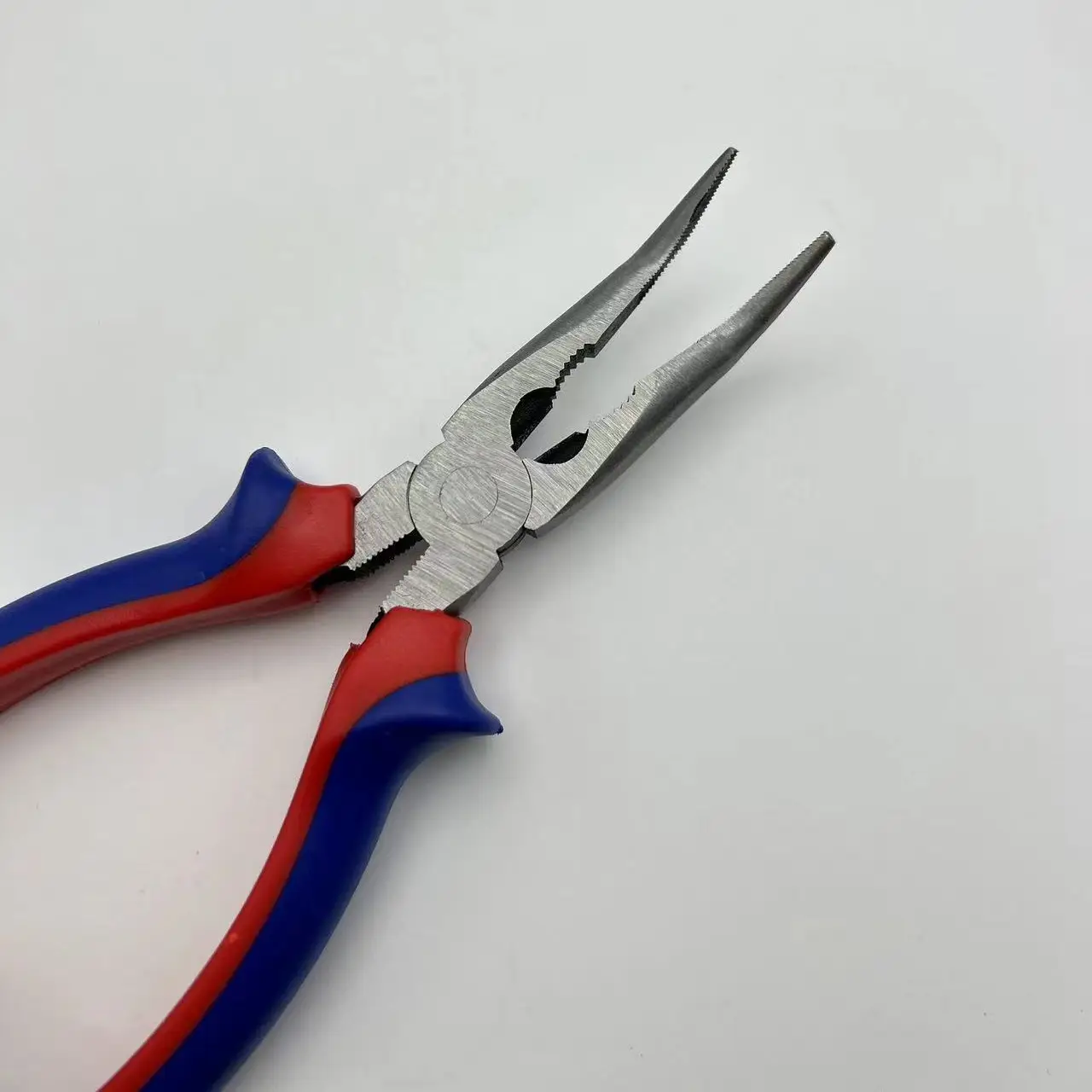
Time Savings and Precision: The Core Efficiency Gains of a Premium Wire Stripper
Reduced Stripping Time per Wire Through Consistent Blade Engagement
A high-quality wire stripper eliminates guesswork by using machined jaws and a precisely controlled blade gap—ensuring even, full-contact engagement with insulation on the first squeeze. Field studies across 22–10 AWG wiring show this consistency cuts average strip time from 8.5 seconds to 4.8 seconds per wire—a 43.5% improvement (2024). That gain stems not from speed alone, but from removing repeated attempts, partial cuts, and manual gauge adjustments. Technicians no longer need to test settings on scrap wire before each new bundle. On a 500-wire control panel, saving just 3.7 seconds per termination returns nearly 31 minutes of direct labor. The steady, uniform motion also reduces hand fatigue, enabling faster, more sustainable pacing without sacrificing accuracy. Over a full shift, these micro-savings compound into measurable throughput gains—transforming wire preparation from a variable, stop-and-go task into a predictable, schedule-supporting step.
Fewer Reworks and Errors Due to Accurate Insulation Removal
Accurate insulation removal hinges on precise blade depth control—the defining feature of premium strippers. Their cutting edges halt cleanly at the insulation boundary, avoiding nicks or scores on underlying copper strands. Electrical assembly audits identify insulation damage and incomplete stripping as causes of 21% of termination defects; precision depth control lowers rework rates by 58% (2023). Why it matters: a nicked conductor may pass initial continuity testing but fail later under vibration or thermal cycling. Reworking one faulty connection in a harness can take 20–30 minutes—including diagnosis, disassembly, and retesting. By removing insulation cleanly on the first pass, technicians avoid stranded-wire breakage, residual insulation flags, and inconsistent strip lengths. The result is higher first-pass yield, less scrap, and fewer callbacks. Teams report smoother handoffs to crimping or soldering stations—and for high-mix or field service work, that reliability directly reduces costly rework and protects long-term connection integrity.
Blade Performance and Longevity: Why Sharpness and Durability Drive Sustained Efficiency
Preventing Wire-Nicking and Insulation Damage with Optimized HRC 58–62 Carbide-Enhanced Blades
Premium wire strippers use blades hardened to HRC 58–62 and enhanced with carbide to prevent the two most common failure modes: wire-nicking and insulation tearing. Within this hardness range, the edge stays sharp enough to slice cleanly without rolling or chipping under repeated clamping pressure. Independent tooling assessments (2023) found blades below HRC 56 dulled rapidly—increasing required force and raising the risk of scoring conductors—while those above HRC 63 became brittle and prone to micro-chipping. Carbide enhancement adds wear resistance at the cutting tip, preserving narrow, consistent clearance between blade faces. That precise clearance separates insulation from copper without metal-to-metal contact—delivering clean cuts, fewer nicks, and lower rework. For panel builders and field technicians, it means consistently reliable terminations and measurably lower scrap rates.
Extended Service Life Across 500+ Stripping Cycles—Minimizing Downtime and Replacement Costs
Blade longevity is an operational efficiency lever—not just a durability metric. Dull or chipped blades force slower cycles, increased force, and frequent mid-job replacements. Precision blades engineered for 500+ stripping cycles maintain geometry long enough to support full-shift use without swaps. A 2023 maintenance cost analysis showed extending blade service life by just 40% reduced tool-related downtime by roughly 25%, as fewer changeouts meant fewer interruptions and recalibrations. When blades hold their edge, the tool delivers consistent strip length and cut depth over its entire service interval—lowering both direct replacement costs and the hidden cost of repeated setup checks. Over a year, teams using durable blades report fewer rejected connections and noticeably higher throughput at termination stations.
Choosing the Right Wire Stripper Type for Your Workflow Volume and Precision Needs
Adjustable vs. Automatic vs. Gauged Wire Strippers: Use-Case Alignment Guide
Selecting the right wire stripper starts with matching design to workflow—not defaulting to familiarity. Adjustable strippers let operators set depth and diameter manually, offering flexibility for mixed gauges but requiring frequent calibration and risking drift on small wires. Automatic strippers self-adjust to conductor size and strip in one squeeze—ideal for high-volume, repetitive tasks where speed and consistency outweigh fine-tuning needs. Gauged strippers lock to specific conductor sizes, delivering repeatable, very high precision when cable specs remain fixed.
| Type | Best Use Case | Precision Level | Maintenance |
|---|---|---|---|
| Adjustable | Mixed gauges, low volume | Moderate; depends on user setting | Recalibrate often |
| Automatic | High volume, repeated size | High for supported range | Low |
| Gauged | Fixed-gauge production | Very high for exact sizes | Minimal |
For mixed-batch jobs, adjustable units offer needed flexibility; for single-size runs, gauged tools deliver superior stability. High-mix, high-volume teams typically benefit most from automatic strippers—they reduce changeover time, minimize operator fatigue, and support tighter cycle times. The key is aligning the tool type with your most common gauge and daily cycle count—not forcing one solution across every application.
Real-World ROI: Industrial Teams Achieving 42% Faster Stripping After Upgrading to Precision Wire Stripper Models
Industrial teams upgrading from generic manual tools to calibrated precision models saw 42% faster stripping times across mixed cable runs (2024 internal benchmark). This gain came primarily from eliminating adjustment time and reducing blade changes—not from pushing speed at the expense of quality. Downtime dropped because carbide-enhanced blades maintained edge alignment beyond 500 stripping cycles. Less rework on damaged insulation also lowered material waste by 18% in one facility. Over a 12-week pilot, these improvements offset the higher upfront tool cost—shortening payback to under eight weeks. For teams running at least 200 terminations per shift, the speed difference compounds into nearly one full operator-hour saved daily. Critically, this ROI holds only when the stripper is used within its rated insulation diameter range—underscoring why proper tool selection matters more than raw performance specs alone.
FAQ
What are the key benefits of using a premium wire stripper?
Premium wire strippers save time and ensure precision during insulation removal. They reduce stripping time per wire by minimizing repeated attempts and errors, enhance accuracy, and reduce strain on technicians over prolonged use. They also help decrease material waste and rework costs, leading to higher efficiency.
What is the advantage of using blades with HRC 58–62 hardness?
Blades with HRC 58–62 hardness provide a balance between sharpness and durability. They resist dulling and chipping, which allows for clean insulation cuts without damaging copper conductors.
What should I consider when choosing between adjustable, automatic, and gauged wire strippers?
The choice depends on your workflow: adjustable strippers are best for mixed gauge and low volume jobs, automatic strippers are ideal for high-volume repetitive tasks, and gauged strippers work well for fixed-gauge production requiring high precision.
How does a durable blade reduce costs?
Durable blades reduce tool-related downtime, maintenance costs, and material waste due to less frequent replacements and recalibrations. They also improve stripping consistency, leading to fewer faulty terminations.