 EN
EN

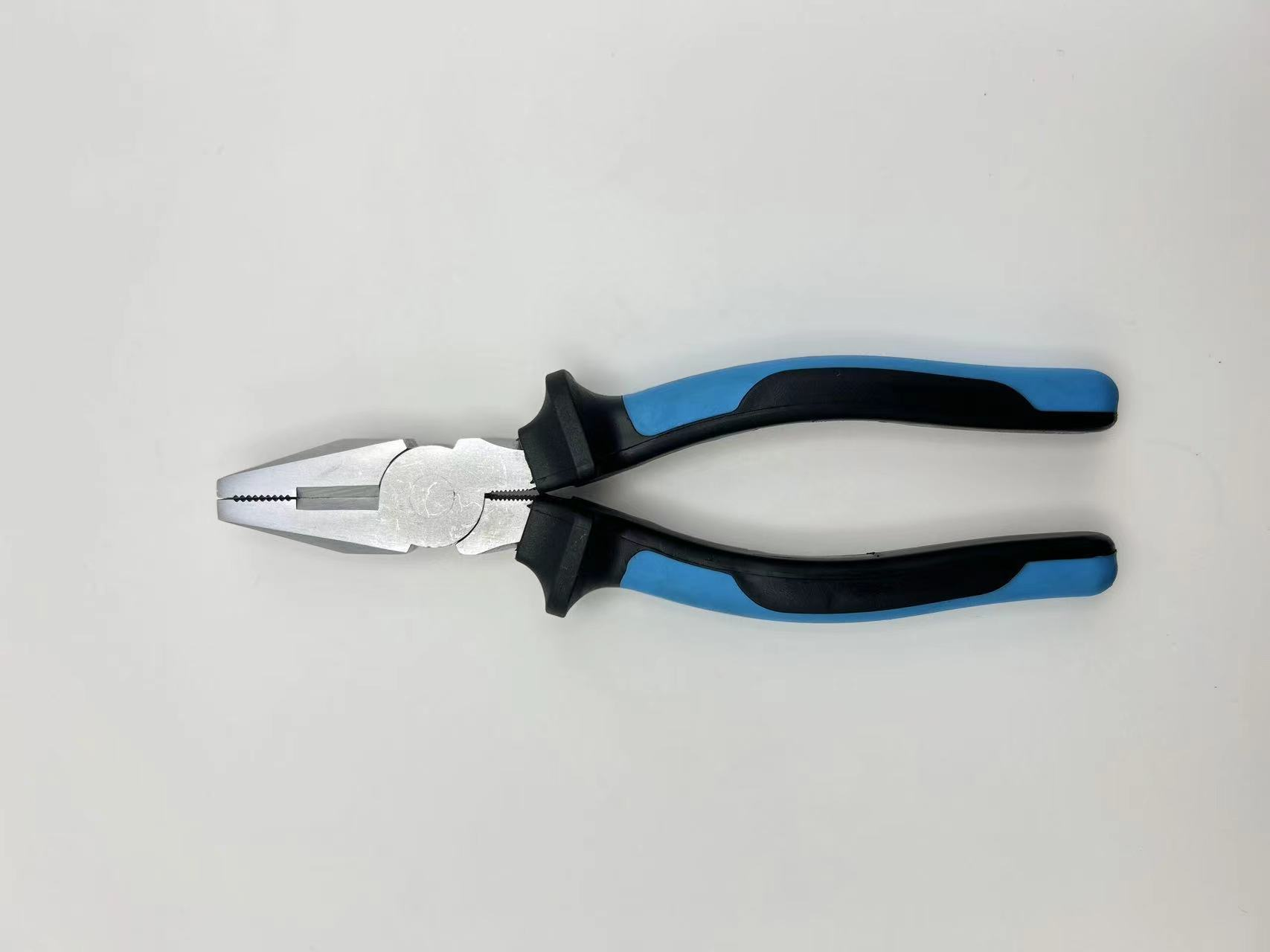
The Critical Role of Clamping Tools in Project Success
Ensuring Stability and Precision in Operations
Good clamping tools make all the difference when it comes to keeping things stable and precise during manufacturing processes. When workers need to secure parts while cutting, drilling or putting components together, these tools keep everything from moving around unexpectedly. Take automotive workshops for instance where mechanics rely on specialized clamps or those quick release sets to hold parts in place. The result? Fewer mistakes happen because the pieces stay exactly where they should be. Efficiency goes way up too. Some studies show that shops which invest in quality clamping equipment finish jobs about 30 percent faster than those without them since there's less backtracking to fix alignment issues later on. Picking out the right type of clamp isn't just about convenience either it actually determines whether a project succeeds or fails based on how well it maintains both stability and accuracy throughout production runs.
Preventing Accidents with Secure Workpiece Holding
Good clamping systems really matter when it comes to preventing accidents on factory floors, especially since loose workpieces cause plenty of injuries every year. When parts aren't held properly during machining processes, they tend to move around unpredictably, creating serious risks for everyone nearby. According to industry reports, proper clamping solutions like tube holders and those heavy duty steel clamps make all the difference in keeping both personnel safe and machinery intact. Beyond just safety concerns, these reliable clamping setups actually last longer too, meaning less downtime and fewer replacements over time. Factories that invest in quality clamping equipment see better results across the board from reduced incidents to improved production efficiency, making it smart business as well as good safety practice.
Exploring Different Types of Clamping Tools
Special Clamps for Unique Applications
Certain types of clamps are made specifically to hold things that don't fit regular shapes or items that need careful handling, which really helps improve how flexible workflows can be across different industries. Take those special clamps meant for securing tubes or keeping angles in place for instance. They make sure there's always something suitable available when dealing with complicated jobs. A good case is the clamp used for fixing tubes. These actually work where normal clamps tend to fall short, especially during tasks requiring extra attention to detail. According to industry data, people who switch to these specialized clamps often see their productivity jump around 25%. That makes sense since they handle all sorts of unusual situations much better than generic alternatives.
Quick Clamp Sets for Rapid Adjustments
Quick clamp sets have become essential tools for anyone needing to make fast adjustments on the job. They let workers set things up quickly and switch from one task to another without losing grip strength that holds materials in place properly. The designs are pretty straightforward which makes them great for situations where things change rapidly, think assembly lines or craft workshops where people constantly move between different projects. Some research shows companies save around 20% less downtime by using these clamps regularly. That means projects stay on schedule and overall workflow gets a noticeable boost without all the hassle of traditional clamping methods.
Manufacturer Spring Clamps for Consistent Pressure
Spring clamps made by various manufacturers play a big role in spreading out pressure evenly on workpieces while they're being glued together, leading to much better sticking results overall. What makes these clamps special is how their design spreads force consistently across surfaces, something really important when dealing with fragile materials that need gentle treatment. Industry workers who actually use these tools report around a 15% improvement in how well things stick together compared to other methods. That's why many shops keep spring clamps handy for jobs where getting just the right amount of pressure matters a lot for good results.
Steel Heavy-Duty Clamps for Industrial Use
Heavy duty steel clamps built for tough conditions work great in factories where they handle strong materials day after day. They have amazing grip strength that holds onto big parts even during really rough manufacturing processes. When things get tight, these clamps don't bend or warp easily which means tools last longer according to what many plant managers have found in their experience. Industrial workers rely on these sturdy clamps for all sorts of jobs from simple assembly lines to complex machinery setups because they just plain hold up when nothing else will.
Key Factors to Consider When Choosing Clamping Tools
Material Compatibility and Clamping Capacity
Choosing the right clamping tools means checking if they work well with different materials so nothing gets damaged and everything stays securely held in place. Good quality clamps should handle wood, metal, plastic whatever comes through the workshop. Knowing what load each clamp can actually take is just as vital because nobody wants tools that snap under pressure when there's weight involved. Most experienced workers know better than to skip over those spec sheets manufacturers provide these days. Take time to match clamp ratings with actual project requirements before starting any job serious enough to need proper fastening techniques.
Ergonomics and Safety Features
When clamping tools feature ergonomic design elements, workers experience less strain throughout their shifts, which makes the whole work environment safer and more comfortable, particularly when they're using these tools all day long. The addition of safety elements like textured handles that won't slip out of hands and built-in release systems gives operators much better control while handling heavy or awkward materials. According to industry data, workplaces that switch to ergonomically designed clamping equipment see fewer accidents and happier staff members who actually enjoy coming to work each morning. These aren't just nice-to-have extras either they represent basic requirements for any company serious about protecting its workforce while getting jobs done efficiently without unnecessary delays.
Durability in High-Stress Environments
When picking clamping tools for tough environments that require regular adjustments and handle substantial weights, durability matters a lot. Tools built with solid materials and good craftsmanship tend to last longer while keeping up their performance even after months of work. Some studies suggest that spending extra on durable clamping gear might cut down on replacement expenses around 40% for shops that use them constantly. Shops dealing with intense daily operations know this well because they see how cheaper alternatives just don't hold up under pressure. A tool that breaks down too soon disrupts workflow and costs money in the long run.
Benefits of Using the Right Clamping Tools
Enhanced Project Efficiency and Accuracy
Getting the right clamping tools makes all the difference when it comes to making workflows smoother and getting better results from projects. When businesses pick tools that actually fit what they need to do, there's no wasting time fixing things mid-job or dealing with broken equipment. Real world experience shows this saves hours on production runs, so projects finish quicker but still meet quality standards. Look at manufacturing shops across the country reporting around 30% faster turnaround times after upgrading their toolkits. The bottom line? Matching clamping solutions to actual production requirements isn't just good practice, it's essential for anyone wanting to maximize output while keeping those tight tolerances manufacturers demand these days.
Versatility Across Woodworking, Welding, and Metalworking
Clamping tools work pretty well in all sorts of places actually, from wood shops to welders' benches and metal fabrication areas too. The fact that they fit so many situations lets workers cut down on buying separate sets of tools for every job, yet still get things done efficiently no matter what task comes next. When businesses go with these flexible clamping options, they save money both upfront when purchasing equipment and later on when managing stockroom space becomes less complicated. Some research out there shows that shops which have adopted multi-use clamps tend to run into fewer problems overall and manage their resources much better than those stuck with specialized gear. What really matters though is how these adaptable tools let teams switch between projects without missing a beat, making daily operations run smoother across all kinds of workshop environments.
[Discover a range of specialized clamps for fixing tubes, quick clamp sets, and more in our collection of clamping tools.](#)
Maintenance Tips for Long-Lasting Clamping Tools
Regular Cleaning to Prevent Corrosion
Regular cleaning of clamping tools makes all the difference in how long they last and how well they work. When dirt and moisture build up on them, corrosion starts happening, which slowly eats away at the quality of the tools. A good maintenance routine helps get rid of this stuff before it becomes a problem, so the tools stay in service longer and save money in the long run. Using proper cleaning methods keeps everything running smoothly for years. Just taking a few minutes each week to wipe down and inspect these tools stops rust from forming and maintains consistent performance without any surprises down the road.
Lubrication and Inspection of Moving Parts
Keeping moving parts in clamping tools well lubricated helps cut down on friction so everything runs smoothly. When workshop staff apply the right kind of oil or grease according to what the manufacturer suggests, they actually get better performance out of their equipment while making sure it lasts longer too. Regular checks are just as important though. Someone needs to look closely at those tools every now and then to spot signs of wear or damage before something breaks unexpectedly mid-job. This kind of ahead-of-time maintenance keeps workers safe when operating machinery and means clamping tools stay functional throughout their entire lifespan. Workshop managers who stick to proper lubrication schedules find their investment pays off over time with fewer breakdowns and replacements needed.