 EN
EN

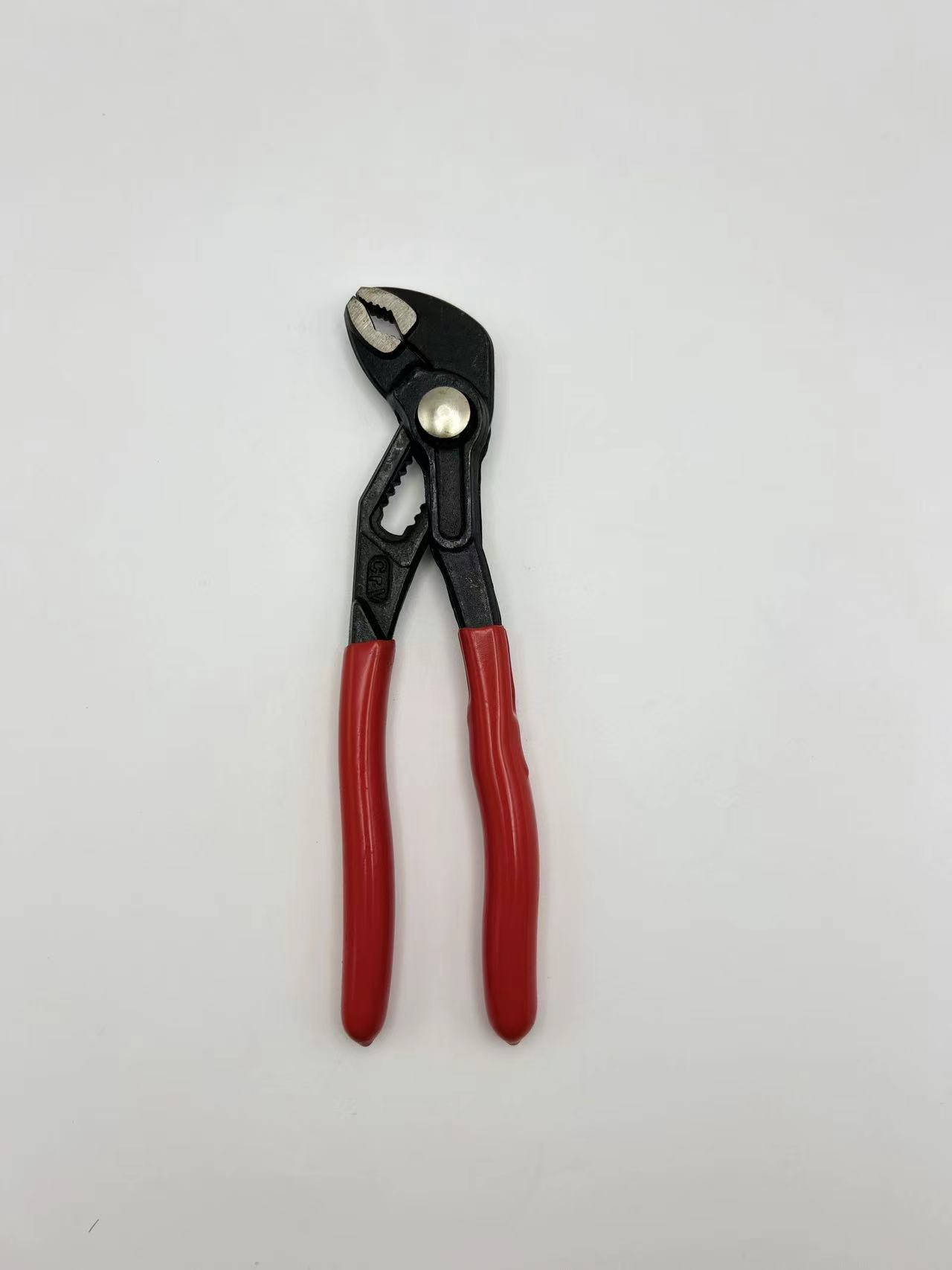
Най-добрите марки мултиинструменти, доминиращи търговските поръчки за доставчици на хардуер
Марки мултиинструменти водещи на пазара с доказана мащабируемост за B2B поръчки
За доставчиците на хардуер, набавящи мултиинструменти в големи количества, сътрудничеството с установени производители, известни с производствените си възможности и постоянство в качеството, е задължително. Водещите доставчици демонстрират устойчивост на веригата на доставки — от решаващо значение при изпълнение на големи поръчки над 500+ бройки на тримесечие. Основните критерии за избор включват:
- Материална почтеност : Инструменти с компоненти от неръждаема стомана 420 устояват на корозия и запазват острието си при интензивна употреба
- Функционална универсалност : Модели, предлагат 15+ интегрирани инструмента (клещи, резач за жици, отвертки), намаляват нуждата от специализирано оборудване
- Модулна стандартизация : Еднаквите размери на продуктите в рамките на серийното производство опростяват управлението на склада и повторното опаковане
Тези производители обикновено разполагат със сертифицирани по ISO 9001 обекти, което им позволява да увеличават производството с 200% по време на върховите периоди на търсене, без да компрометират нивата на дефекти — последователно под 0,8% при отраслови одити.
Репутация на марката, сертификати и показатели за надеждност, от съществено значение за големи покупатели
Екипите по доставки предпочитат доставчици с документирани показатели за надеждност, тъй като повредите на оборудването при полеви операции могат да доведат до загуба на продуктивност, надвишаваща 740 000 щатски долара годишно (Ponemon Institute, 2023). Основните еталони за оценка включват:
| Метрика за надеждност | Промишлен стандарт | Премиум праг |
|---|---|---|
| Средно време между неизправностите | ≥ 5 000 цикъла | ≥ 8 000 цикъла |
| Гаранция | 10 години | 25 Години |
| Сертификати на трета страна | минимум 2 | 4+ (напр. ANSI, UL) |
Водещите производители потвърждават твърденията си чрез прозрачно разкриване на показателите за неизправности и предлагат всеобхватни сервизни споразумения, включващи ускорени протоколи за подмяна. Тази оперативна гарантираност има директно влияние върху общата стойност на собственост – намалява разходите за подмяна с 18–34% за период от 5 години експлоатация.
Съществени функции на мултиинструментите, които повлияват решенията за масови покупки
Издръжливост, състав на материала (напр. неръждаема стомана 420) и функционална универсалност
Когато доставчиците на хардуер закупуват мултиинструменти на едро, те оценяват колко дълго ще служат тези инструменти, преди да се наложи подмяна, защото постоянният разменяне на счупени инструменти намалява икономическата изгода. Най-добрите марки използват най-вече неръждаема стомана 420, тъй като тя е устойчива на ръжда, а тестовете показват, че запазва острието си при около два пъти повече цикли на натоварване в сравнение с обикновените легирани стомани. Важното обаче е дали тези инструменти наистина работят на практика. Специалистите по набавяне не се заблуждават от привлекателни технически спецификации с куп функции, от които никой не се ползва. Вземете клещи, които могат да режат жици, да свалят изолация и да хващат предмети едновременно. Тези универсални инструменти заменят три различни инструмента на строителната площадка, което улеснява екипите за поддръжка и намалява бъркотията в складовите помещения. Според последно проучване от Индекса за издръжливост на инструменти от 2023 година качествените мултиинструменти се повреждат по-рядко – приблизително с 40% по-малко във фабрики и строителни площадки.
Ергономика, преносимост и стандартизация при поръчки на големи количества
Начинът, по който инструментите са проектирани ергономично, наистина прави разлика в това колко продуктивни остават работниците по време на работа. Инструментите с тези извити, противоподлъзващи дръжки намаляват умората на ръцете значително, може би с около 30%, след часове работа с тях. Повечето хора, които купуват в големи количества, предпочитат по-малките, с тегло под 8 унции, тъй като лесно се побират в обикновен инструментен колан. По-големите версии струват на компаниите допълнително около 1,20 долара всяка година само за съхранение. Когато компаниите използват един и същ тип инструмент в целия си списък с поръчки, екипите за поддръжка намират работата си за много по-лесна. Получавали сме отзиви от доставчици, че обучението на нов персонал напредва с около 25% по-бързо, когато всеки инструмент има еднакви части, подредени по един и същи начин. И да не забравяме и контрола на наличностите. Складовете ни казват, че могат да намалят артикулите си за управление на складовите запаси почти с две трети, когато преминат към тези стандартизирани мултиинструменти, вместо да имат дузина различни модели, разхвърляни наоколо.
Стратегии за икономичност при набавяне на големи количества мултиинструменти
Структури за отстъпки при големи обеми, гъвкавост на минималното количество за поръчка и анализ на крайната цена
Когато доставчиците на хардуер искат да спестят пари при закупуване на мултиинструменти, те често водят преговори за по-добри цени въз основа на броя единици, които поръчват наведнъж. Повечето доставчици предлагат стъпкови отстъпки, при които по-големите поръчки получават по-големи намаления, обикновено около 10 до 15 процента, когато някой закупи над 500 инструмента. Добрата новина е, че тези оферти не компрометират стандартите за качество за промишлени приложения. Много компании също имат гъвкави изисквания за минимална поръчка, които им позволяват да коригират покупките си според текущите си нужди, вместо да бъдат задържани с прекомерни запаси или напълно да останат без наличности. Важно е също да се вземат предвид всички скрити разходи. Тарифи, такси за пратка, застрахователно покритие и разходи за складиране могат сериозно да намалят спестяванията, ако не бъдат правилно отчетени в общия разчет на разходите. Според отраслови данни, компаниите, които прилагат тези умни подходи за набавяне, обикновено виждат намаляване на общите си разходи за покупки между 18 и 22 процента в сравнение с просто извършване на редовни единични покупки насам-натам.
Доставчикова надеждност и следваща поддръжка за многоножиеви партиди
Когато закупуват мултиинструменти на едро, доставчиците на хардуер трябва да гледат далеч напред от простата търговска ефективност, защото ненадеждни доставчици могат сериозно да наруши процесите и да увеличат разходите с течение на времето. Тук особено значение има процесът по проверка. Търсете доставчици, които реално документират своите процедури за контрол на качеството, които редовно тестват проби и притежават подходящи сертификати като ISO 9001. Това помага инструментите да работят последователно при поръчване на големи количества, което намалява досадните дефектни единици, нарушаващи графиките за доставка. Също толкова важна е обаче и ситуацията след закупуването. Добра гаранция при ранни проблеми с износване, бързо реагиране от техническата поддръжка (предпочитано решаване на проблемите в рамките на един-два дни) и лесен достъп до резервни части правят голяма разлика. Проучвания показват, че такива системи за поддръжка могат да намалят разходите за простои с около 30% за компании, управляващи паркове от инструменти. И не забравяйте и обучителните материали за операторите. Тези ресурси повишават удовлетвореността на потребителите и помагат инструментите да служат по-дълго, превръщайки това, което може да изглежда като поредната разходна статия, в нещо много близко до истинско бизнес партньорство, което предпазва от нарушения в веригата за доставки в бъдеще.
Стратегически добри практики за доставчици на хардуер
Съгласуване на спецификациите за мултиинструменти с нуждите на крайните потребители и дистрибуционните канали
За доставчиците на хардуер, свързването на това, което се закупува на едро, с начина, по който инструментите всъщност се използват на терен, е доста важно. Нека разгледаме кой какво има нужда: строителните работници искат мощните мултиинструменти, изработени от части от неръждаема стомана 420, защото те издържат по-дълго при въздействие на времето и химикали. Техниците по поддръжка? Те търсят нещо по-малко, което лесно се побира в техните колани за инструменти, с накрайници, специално проектирани за често срещаните задачи в сградите. И начинът на разпределение има значение. Поръчките онлайн се нуждаят от индивидуално опаковане с пломби, които показват дали някой е отварял опаковката преди пратката, докато магазини като Home Depot очакват кашони, подредени внимателно на палети, готови за рафтовете. Някои проучвания от миналата година показаха, че компаниите, които съгласуват своето опаковане с методите за разпределение, отбелязаха около 27% по-малко счупени артикула и почти 20% по-малко връщания. Получаването на обратна връзка директно от хората, работещи на терен, чрез бързи онлайн анкети или срещи с малки групи, помага да се потвърди какво наистина работи за тях — неща като удобни дръжки или остриета, които лесно излизат без задраскване. Когато доставчиците имат предвид както реалното използване, така и логистиката на доставките, всички остават по-доволни от получените инструменти.
ЧЗВ
Какви материали се препоръчват за издръжливи мултиинструменти?
Препоръчват се мултиинструменти, изработени от неръждаема стомана 420, поради устойчивостта им към корозия и способността да запазват ръба си при интензивна употреба.
Защо функционалната универсалност е важна при мултиинструментите?
Функционалната универсалност намалява нуждата от друго специализирано оборудване, като предлага различни инструменти, интегрирани в един блок, което е особено полезно за полеви операции.
Какви са ползите от съгласуване на спецификациите на мултиинструментите с нуждите на крайните потребители?
Съгласуването на спецификациите осигурява ефективността на инструментите в реалната употребна среда и помага за намаляване на повредите и връщанията, като едновременно подобрява удовлетвореността на потребителите и оперативната продуктивност.
Как могат доставчиците на хардуер да гарантират надеждността на доставчиците?
Доставчиците трябва да разполагат с документирани процеси за контрол на качеството, да тестват регулярно своите партиди и да поддържат сертификати като ISO 9001, за да гарантират последователната работоспособност на инструментите, поръчвани в големи количества.
Съдържание
- Най-добрите марки мултиинструменти, доминиращи търговските поръчки за доставчици на хардуер
- Съществени функции на мултиинструментите, които повлияват решенията за масови покупки
- Стратегии за икономичност при набавяне на големи количества мултиинструменти
- Доставчикова надеждност и следваща поддръжка за многоножиеви партиди
- Стратегически добри практики за доставчици на хардуер
-
ЧЗВ
- Какви материали се препоръчват за издръжливи мултиинструменти?
- Защо функционалната универсалност е важна при мултиинструментите?
- Какви са ползите от съгласуване на спецификациите на мултиинструментите с нуждите на крайните потребители?
- Как могат доставчиците на хардуер да гарантират надеждността на доставчиците?