 EN
EN

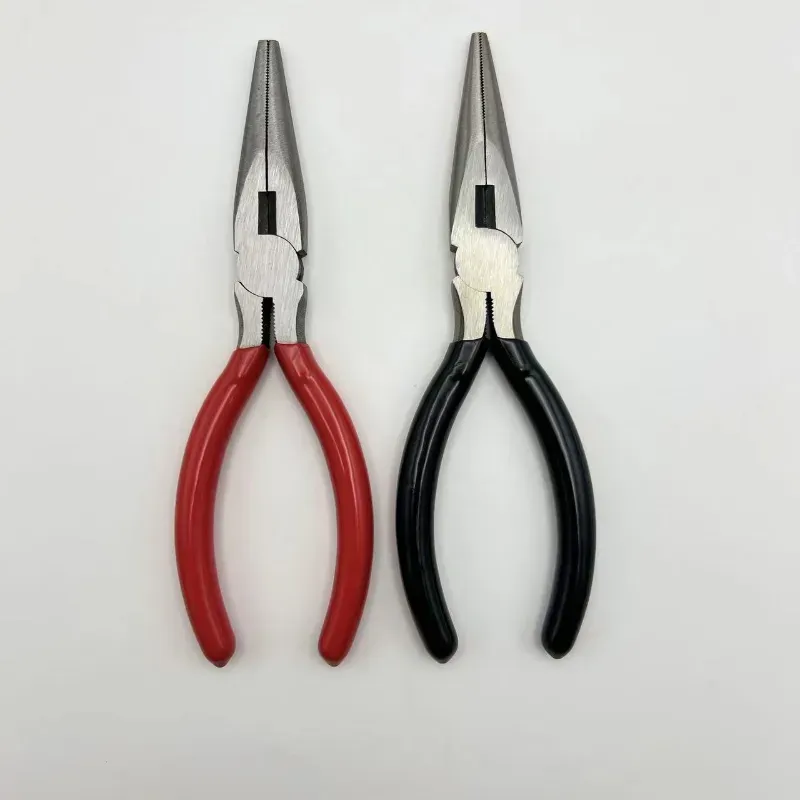
القطع المُستوي لتركيبات كهربائية آمنة ومتوافقة مع الشروط الفنية
الدقة في القطع شرطٌ لا غنى عنه لضمان السلامة الكهربائية والامتثال لقانون الكهرباء الوطني (NEC). وتمنع الأدوات المتعددة الاستخدامات المزوَّدة بشفرات متخصصة حدوث أعمال إعادة مكلفة أو مخاطر من خلال تمكين قطع دقيق في مواد متنوعة.
القطع المُستوي للجبس والغلاف الخارجي لتثبيت الصناديق والمخارج المُدمَّجة
عند تنفيذها بشكل صحيح، تُحقِّق قصّ التوصيلات المُستوية (Flush Cutting) أن تجلس صناديق التوزيع الكهربائية بشكل مثالي ومستوٍ تمامًا مقابل الجدران والغلاف الخارجي، مما يلغي تلك الفراغات المزعجة التي تنتهك في الواقع قواعد الحجب ضد الحرائق المنصوص عليها في كود NEC. علاوةً على ذلك، تمنع هذه الطريقة ظهور الحواف البارزة التي قد تتسبب مع مرور الوقت في إتلاف عزل الأسلاك. ويترتب على تركيب الصناديق بشكل مناسب داخل الجدار (Recessed) الالتزام بجميع قواعد المسافات المحددة، مثل المسافة المطلوبة بين الصناديق والبالغة ٦ أقدام في المناطق السكنية وفقًا لكود NEC. والفرق يكون واضحًا جدًّا عند تقييم أعمال الجبسون بورد لاحقًا. ويُبلغ المقاولون عن حاجتهم إلى نحو نصف كمية المواد المستخدمة في عمليات التصليح مقارنةً بالأساليب اليدوية التقليدية لقصّ الصناديق، ما يوفِّر الوقت والمواد على المدى الطويل.
قصّ أنابيب PVC والألواح الخشبية الداعمة بعمق خاضع للتحكم دون الإضرار بالأسلاك
تتيح الشفرات المزودة بتحكم في العمق للكهربائيين قطع الأنابيب الكهربائية وأسطح التثبيت دون الاصطدام بالأسلاك المخفية خلفها، مما يساعد على منع تلف الموصلات التي قد تؤدي إلى أعطال قوسية خطرة. وتشير رابطة الحماية الوطنية من الحرائق إلى أن هذه الأعطال القوسية مسؤولة عن نحو 28% من جميع الحرائق الكهربائية. ويصبح قطع ألواح الخشب الرقائقي المستخدمة كلوحات خلفية لتثبيت اللوحات الكهربائية أكثر أمانًا بكثير عندما لا تخترق الشفرة العمق المسموح به. ويكتسب هذا الأمر أهمية كبيرة أثناء عمليات التحديث (Retrofits)، حيث قد توجد دوائر كهربائية نشطة قريبة من منطقة العمل. كما أن الحفاظ على البنية الخشبية أثناء التنفيذ يضمن استقرار المبنى ويمنع انقطاع التيار الكهربائي غير المتوقع الذي قد يعطل العمليات التجارية أو الحياة السكنية.
معالجة الأسلاك المدمجة: تقشيرها وقطعها وإزالة الحواف الحادة منها باستخدام أداة متعددة الوظائف واحدة
تدمج الأدوات المتعددة الوظائف الحديثة وظائف معالجة الأسلاك الأساسية في جهاز واحد، ما يلغي تأخيرات تبديل الأدوات ويدعم الامتثال المتسق لمعايير NEC (الكود الكهربائي الوطني) من خلال دقة قابلة للتكرار.
مقصات ومقشرات الأسلاك المدمجة في الشفرة – متوافقة مع أسلاك مقاس 10–22 AWG وتشغل بطريقة آمنة للعازل
الفتحات المُعايرة ت accommodates أسلاك مقاس 10–22 AWG، مما يمنع خدش الموصل أثناء التقشير. وتُطبِّق آلية تعمل بالزنبرك ضغطًا متجانسًا، ما يقلل من تلف العازل بنسبة 37% مقارنةً بالمقشرات اليدوية، وفقًا لاختبارات الصناعة لعام 2023. وبالاشتراك مع القدرة على القص المُستوي، تتيح هذه الأدوات تقليم الموصلات الزائدة بشكلٍ آمنٍ ونظيف.
تنعيم أنابيب التوصيل وإعداد الطرفيات دون خدش الموصل أو تراكم الحرارة
حواف مزودة بنهايات كاربايد تزيل حواف أنابيب PVC التالفة في دورة واحدة فقط – مما يقلل إلى أدنى حدٍ من الحرارة الناتجة عن الاحتكاك والتي تُسرِّع تدهور العازل. وفي الوقت نفسه، تقوم الفكوك الدقيقة بإعداد طرفيات الأسلاك المجدولة دون المساس بسلامة النحاس، مما يضمن اتصالات ذات مقاومة منخفضة. ويؤدي هذا التصميم ذي الوظيفتين إلى إنجاز إعداد الطرفيات بنسبة أسرع بنسبة 50% مقارنةً باستخدام أدوات منفصلة.
مرونة المفكات في الوصول إلى ألواح التوزيع والقواطع وأجهزة التثبيت
أنظمة سريعة التبديل للرؤوس تدعم رؤوس توركس T15/T20، ورؤوس فيليبس #2 المقاومة للعبث والعازلة
عند أداء مهام الصيانة الكهربائية، يحتاج الفنيون إلى التكيُّف السريع أثناء الوصول إلى الألواح الكهربائية والقواطع ومختلف المكونات المُثبَّتة. وتقلِّل أنظمة رؤوس البراغي السريعة المغناطيسية من الوقت الضائع في تبديل مفكات البراغي، مما يُحدث فرقًا كبيرًا عند العمل في الأماكن الضيقة أو المرتفعة حيث يُحتسب كل ثانية. وتأتي هذه الأدوات مع عدة خيارات مفيدة، منها رؤوس براغي توركس (Torx) ذات المقاسين T15 وT20 التي تناسب تمامًا محطات القواطع الحديثة. كما توجد أيضًا رؤوس براغي مقاومة للتلاعب، وهي ضرورية للتركيبات التي يجب أن تتوافق مع المواصفات القياسية الحالية. وفي الحالات التي لا يملك فيها الكهربائيون بديلاً سوى العمل على الدوائر المشحونة، تتوفر رؤوس براغي فيليبس رقم 2 معزولة ومصدَّقة وفق معيار VDE، ويمكنها تحمل جهود كهربائية تصل إلى ١٠٠٠ فولت بشكل آمن. ووفقًا لأحدث الدراسات الميدانية لعام ٢٠٢٣ التي أُجريت وفق معايير NFPA 70E، فإن هذا النوع من العزل يقلل فعليًّا احتمال حدوث انفجارات قوس كهربائي خطرة بنسبة تقارب ٧٢٪. وما يميز هذه الأنظمة حقًّا هو الطريقة السلسة التي يعمل بها جميع مكوناتها معًا.
- صفر اهتزاز أو انزياح للرأس تحت العزم
- استرجاع رأس المفك بيد واحدة عبر خراطيش ذات نابض
- توافق تام مع حاملات السداسية القياسية في القطاع بقطر ¼ بوصة
وبدمج هذه الوظائف، يحافظ المحترفون على الحماية الكاملة من الجهد الكهربائي دون الحاجة إلى حمل عدة مفكات.
تصميم أداة متعددة الاستخدامات متينة ومُصممة خصيصًا لبيئات العمل الكهربائية
في بيئات الصيانة الكهربائية، يحتاج العمال إلى أدوات مُصمَّمة لتحمل جميع أنواع الظروف القاسية، ومنها تراكم الغبار، والتعرُّض للماء، والاصطدامات العرضية. وتتميَّز أفضل الأدوات متعددة الوظائف المتاحة حاليًّا في السوق بموادٍ قوية مثل الفولاذ المقاوم للصدأ وفق المواصفات العسكرية، مقترنةً بأغلفة بوليمرية تتحمّل الصدمات الشديدة. وتستطيع هذه الأدوات البقاء سليمةً بعد سقوطها عدة مرات من ارتفاع ستة أقدام عن السُّلَّم أو رفوف المعدات دون أن تتلف. كما تأتي معظم الموديلات بمقبض مريح مُصمَّم ليظل ثابتًا حتى عند تعرُّق اليدين بعد ساعات من العمل، مما يسهِّل إدخال الأداة داخل صناديق التوصيلات الكهربائية الضيقة. لكن ما يهم حقًّا هو مدى قدرة هذه الأدوات على منع دخول الأتربة والشوائب إلى أجزائها المتحركة أثناء تنفيذ مهام مثل تثبيت الخراطيم أو شد التوصيلات في المساحات الضيقة. وعندما تتعطل الأدوات العادية تحت الضغط، تستمر هذه البدائل الصلبة في الأداء بكفاءة، ما يعني انقطاعات أقل أثناء عمليات الإصلاح الطارئة، حيث يكون الوقت مساويًا للمال.
الأسئلة الشائعة
ما أهمية القص الدقيق في التركيبات الكهربائية؟
يُعد القص الدقيق أمرًا بالغ الأهمية لضمان السلامة الكهربائية والامتثال لمعايير التعليمات الوطنية الكهربائية (NEC). ويساعد ذلك في منع عمليات الإعادة المكلفة والمخاطر من خلال تمكين قص دقيق للمواد المتنوعة.
كيف تساعد الأدوات متعددة الوظائف في التعامل الآمن مع الأسلاك؟
تدمج الأدوات الحديثة متعددة الوظائف وظائف التعامل مع الأسلاك مثل تقشيرها وقطعها وإزالة الحواف الحادة منها، مما يلغي التأخير الناتج عن تبديل الأدوات ويدعم الامتثال المستمر لتعليمات NEC من خلال عمليات دقيقة.
ما الميزات التي تمتلكها الأدوات متعددة الوظائف لتوفير مرونة في استخدام مفكات البراغي؟
تدعم الأدوات متعددة الوظائف المزودة بأنظمة تبديل رؤوس سريعة مجموعة متنوعة من الرؤوس، ومنها رؤوس Torx T15/T20، ورؤوس مقاومة للتلاعب، ورؤوس فيليبس #2 معزولة، ما يوفّر مرونةً في الوصول إلى اللوحات ولوحات التوزيع وأجزاء التثبيت بكفاءة.
كيف تستفيد العاملون في المجال الكهربائي من الأدوات متعددة الوظائف المتينة؟
تم تصميم أدوات متعددة الاستخدامات الصلبة لتحمل الظروف القاسية، بما في ذلك الغبار والماء والصدمات، مما يضمن الموثوقية والمتانة في بيئات العمل الكهربائية الصعبة.
جدول المحتويات
- القطع المُستوي لتركيبات كهربائية آمنة ومتوافقة مع الشروط الفنية
- معالجة الأسلاك المدمجة: تقشيرها وقطعها وإزالة الحواف الحادة منها باستخدام أداة متعددة الوظائف واحدة
- مرونة المفكات في الوصول إلى ألواح التوزيع والقواطع وأجهزة التثبيت
- تصميم أداة متعددة الاستخدامات متينة ومُصممة خصيصًا لبيئات العمل الكهربائية
- الأسئلة الشائعة