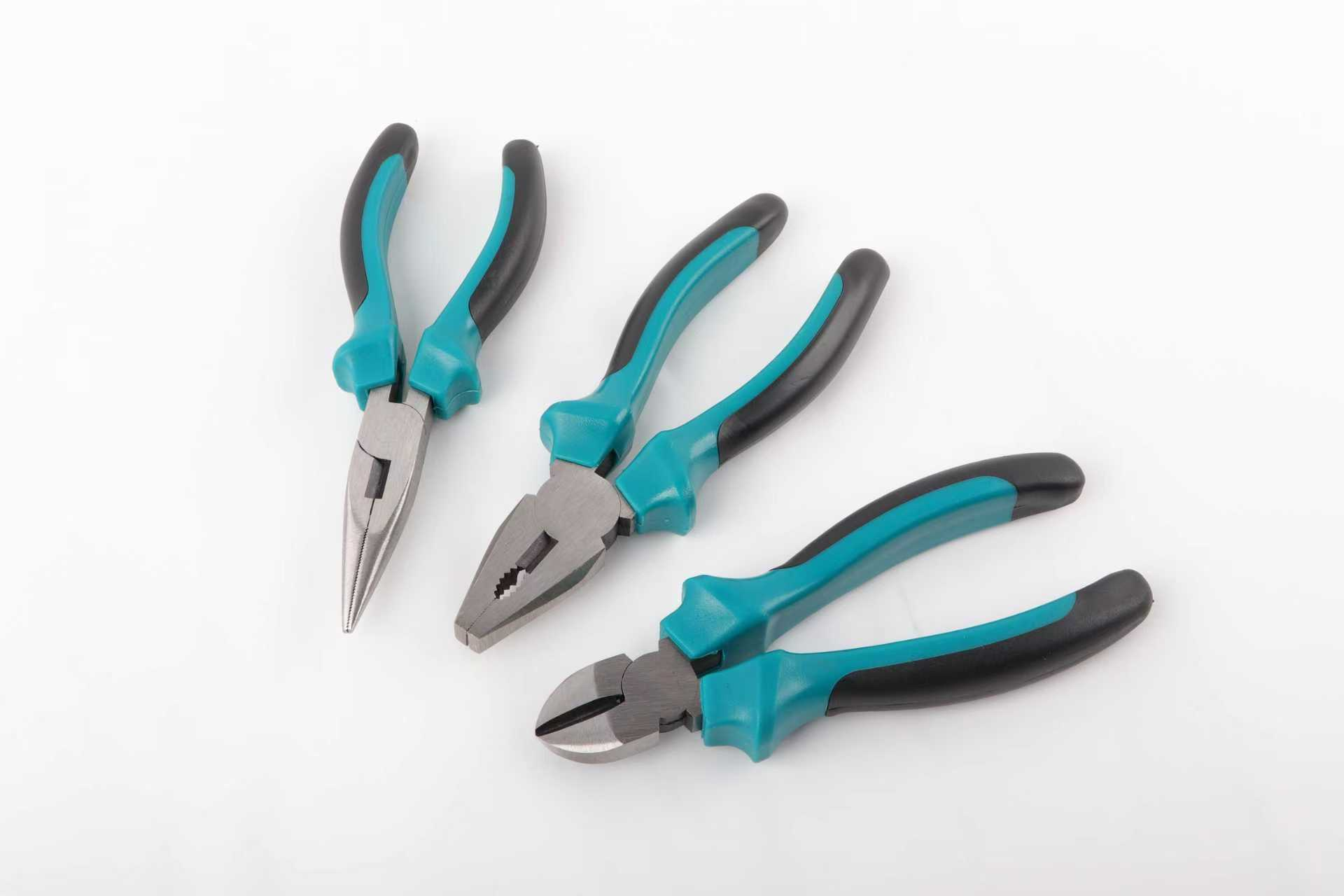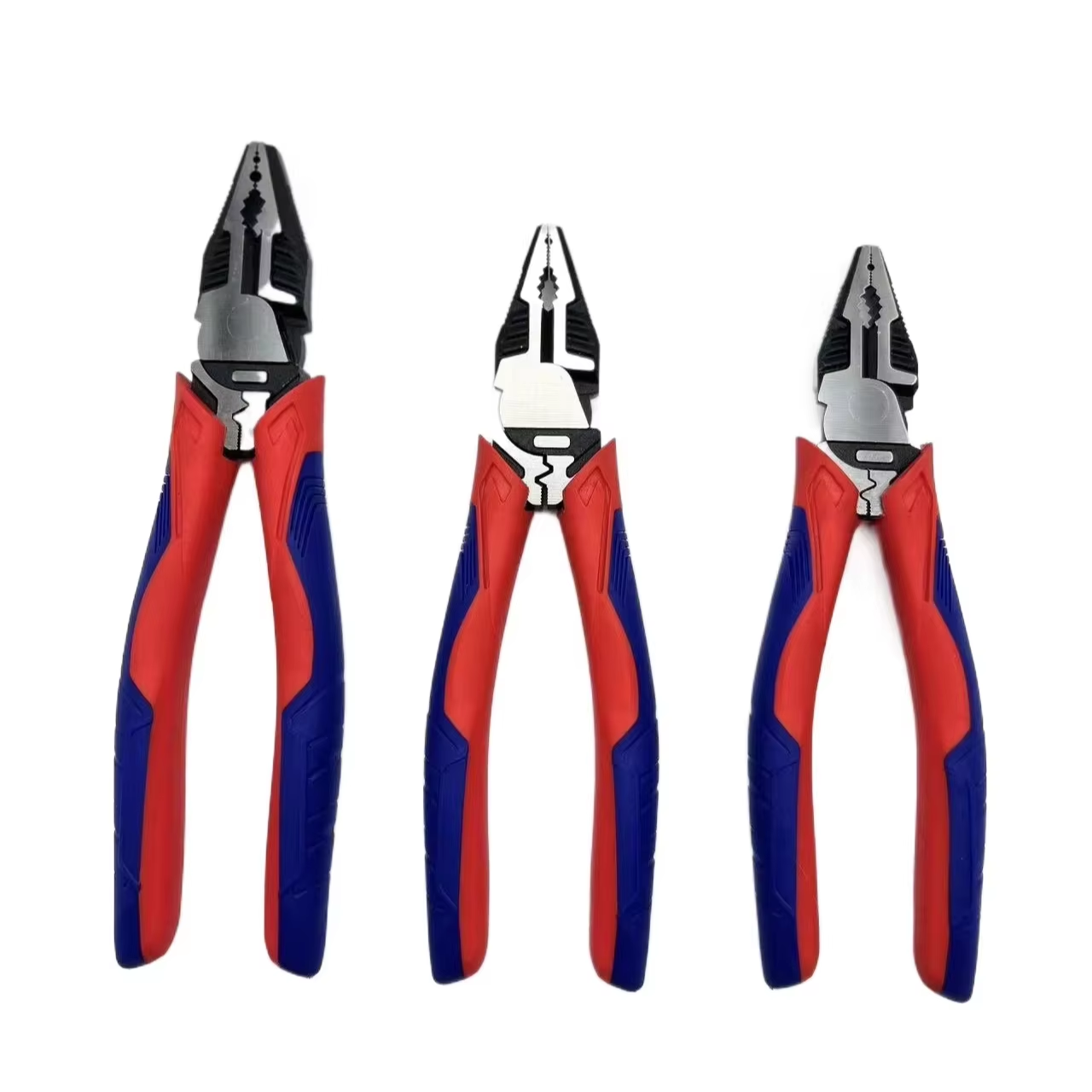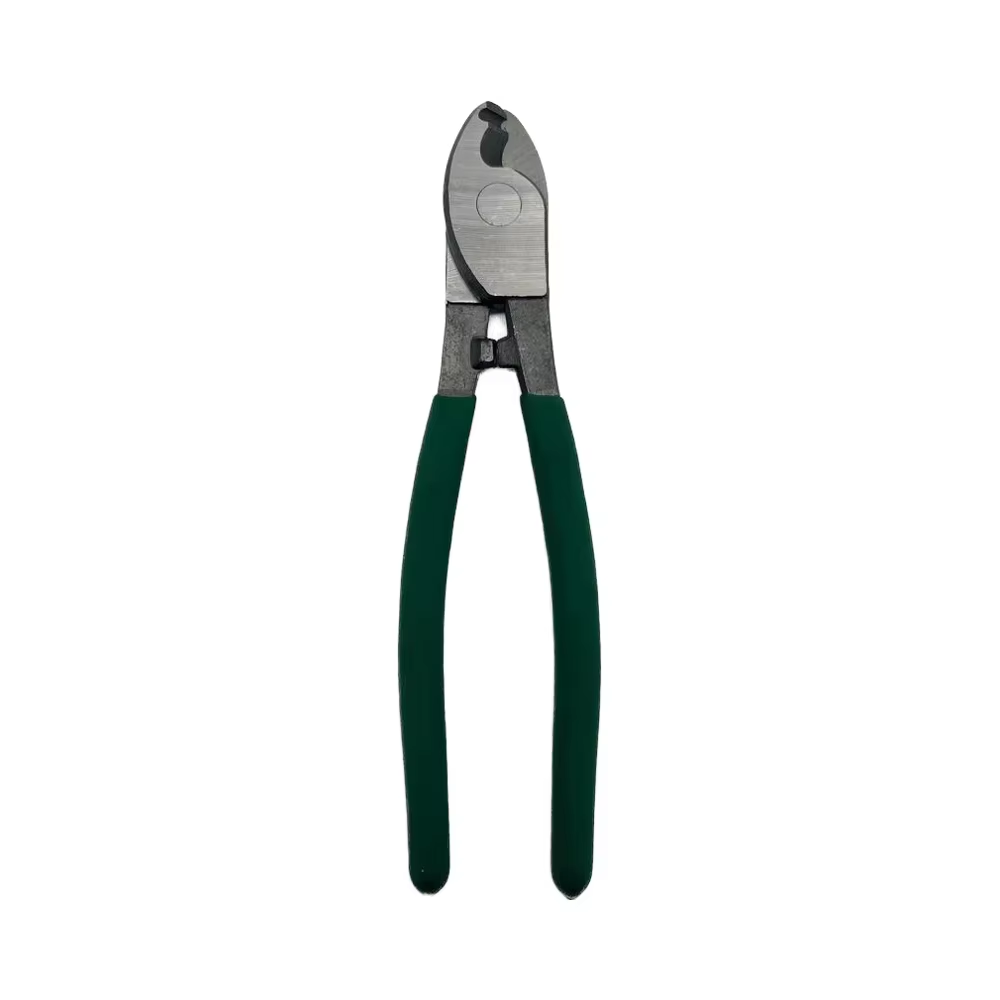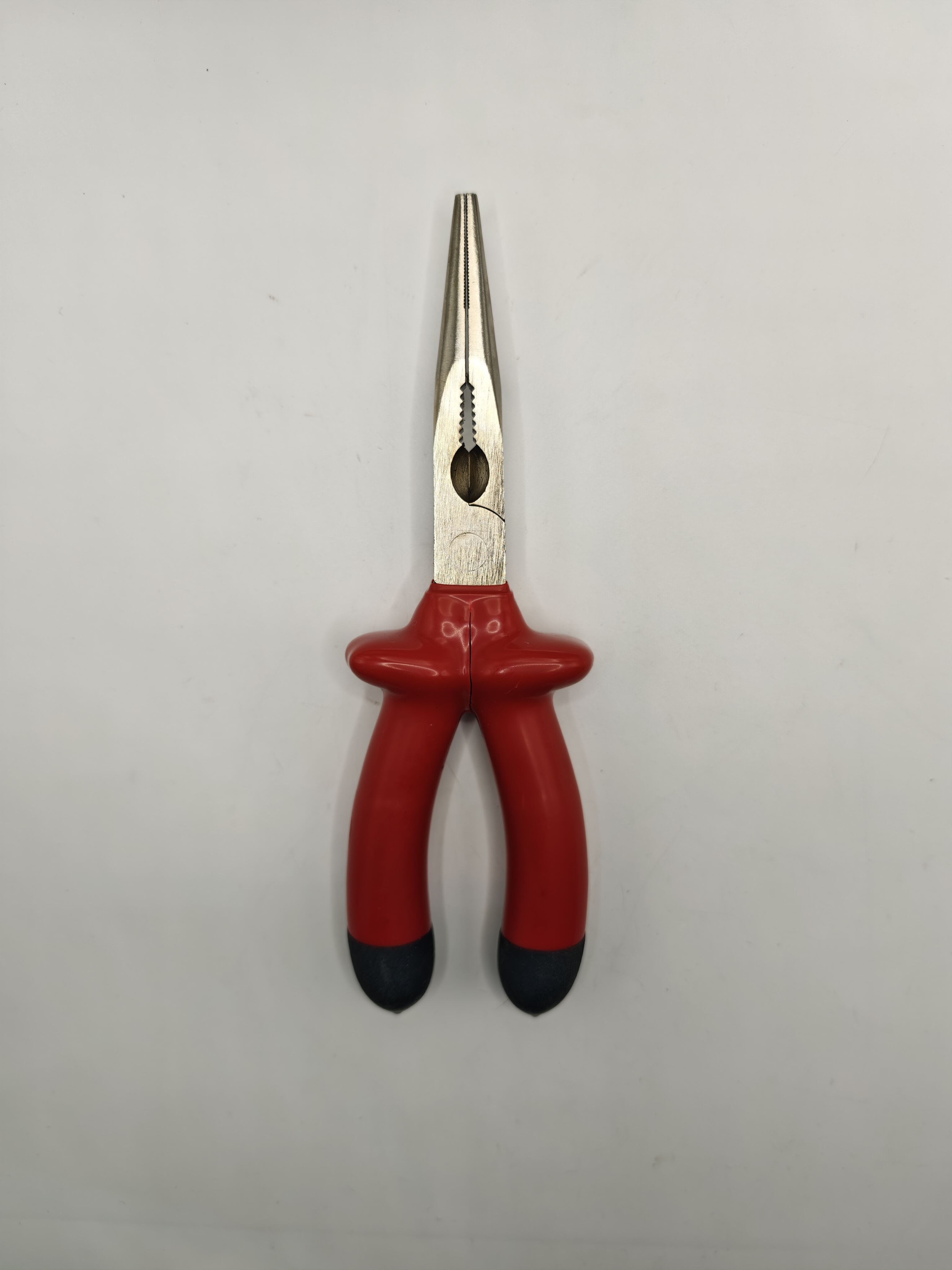
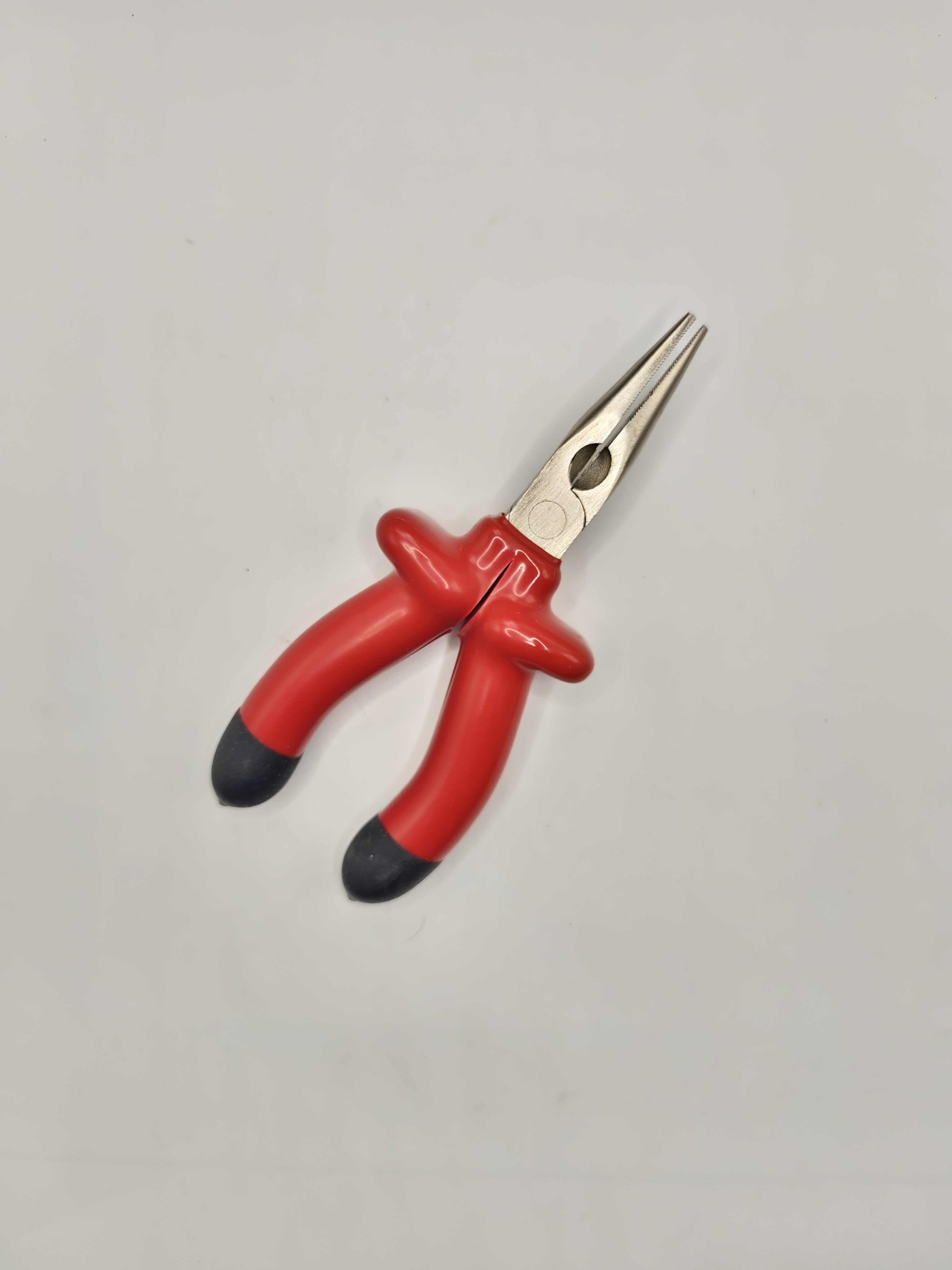
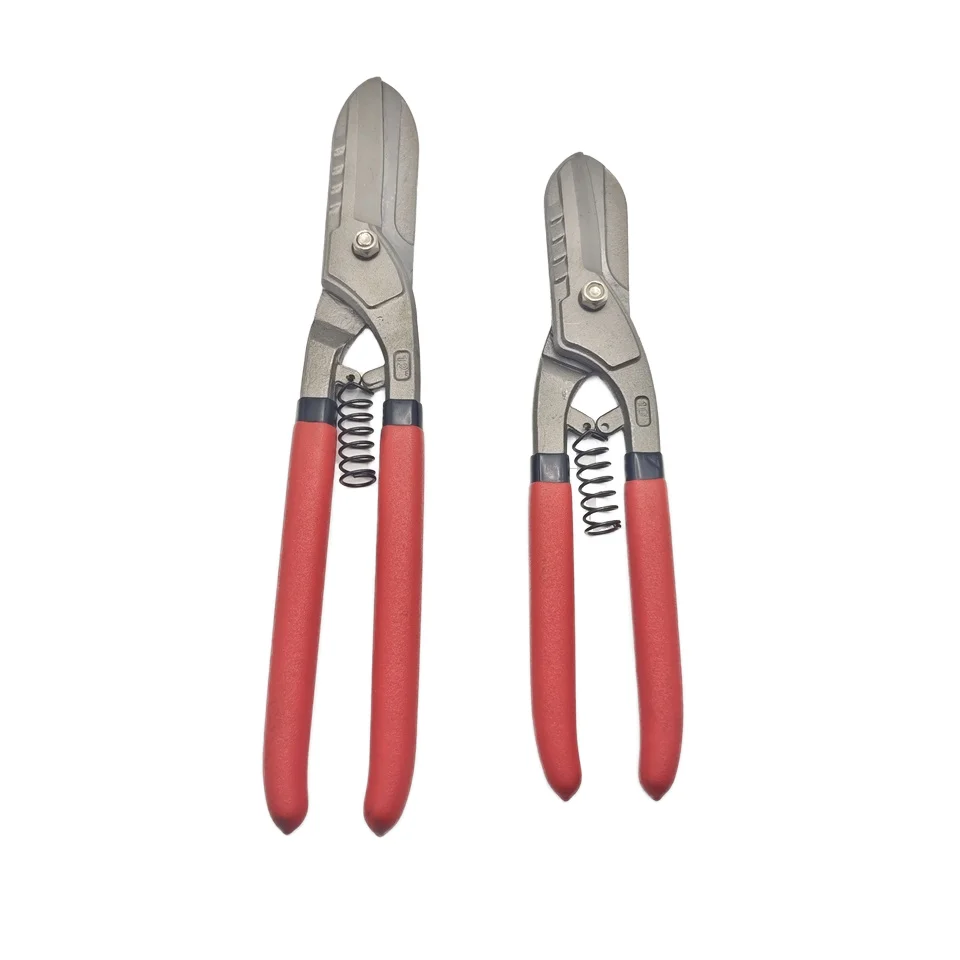
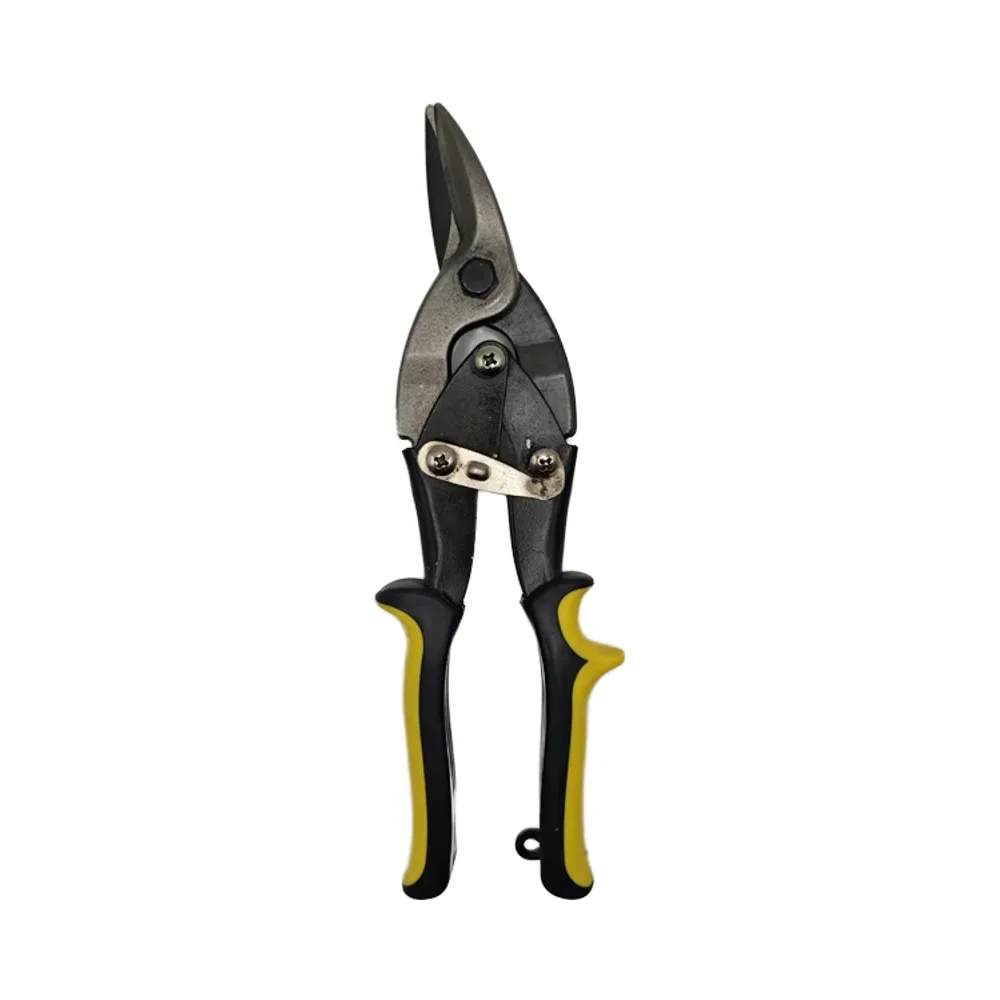
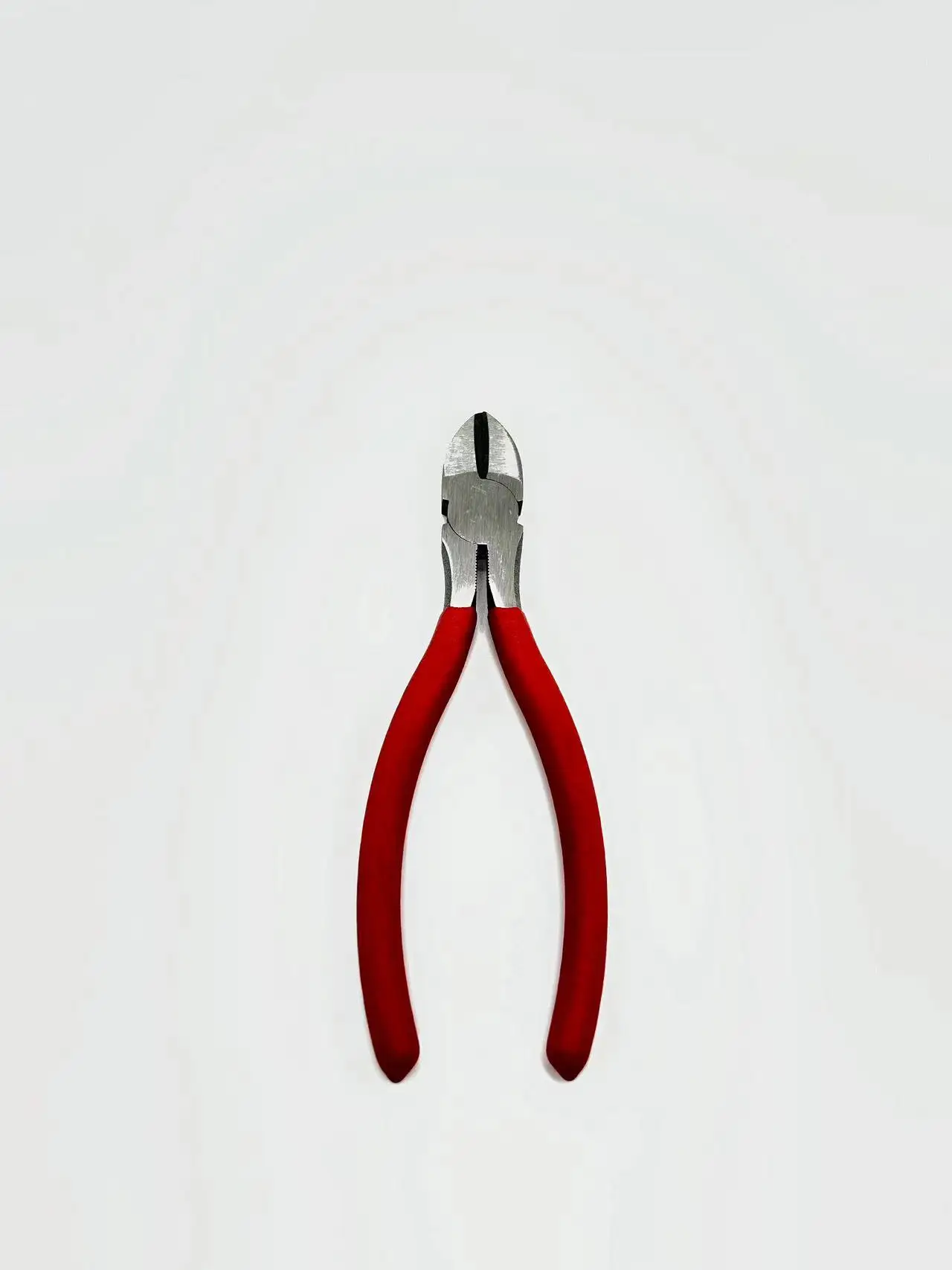
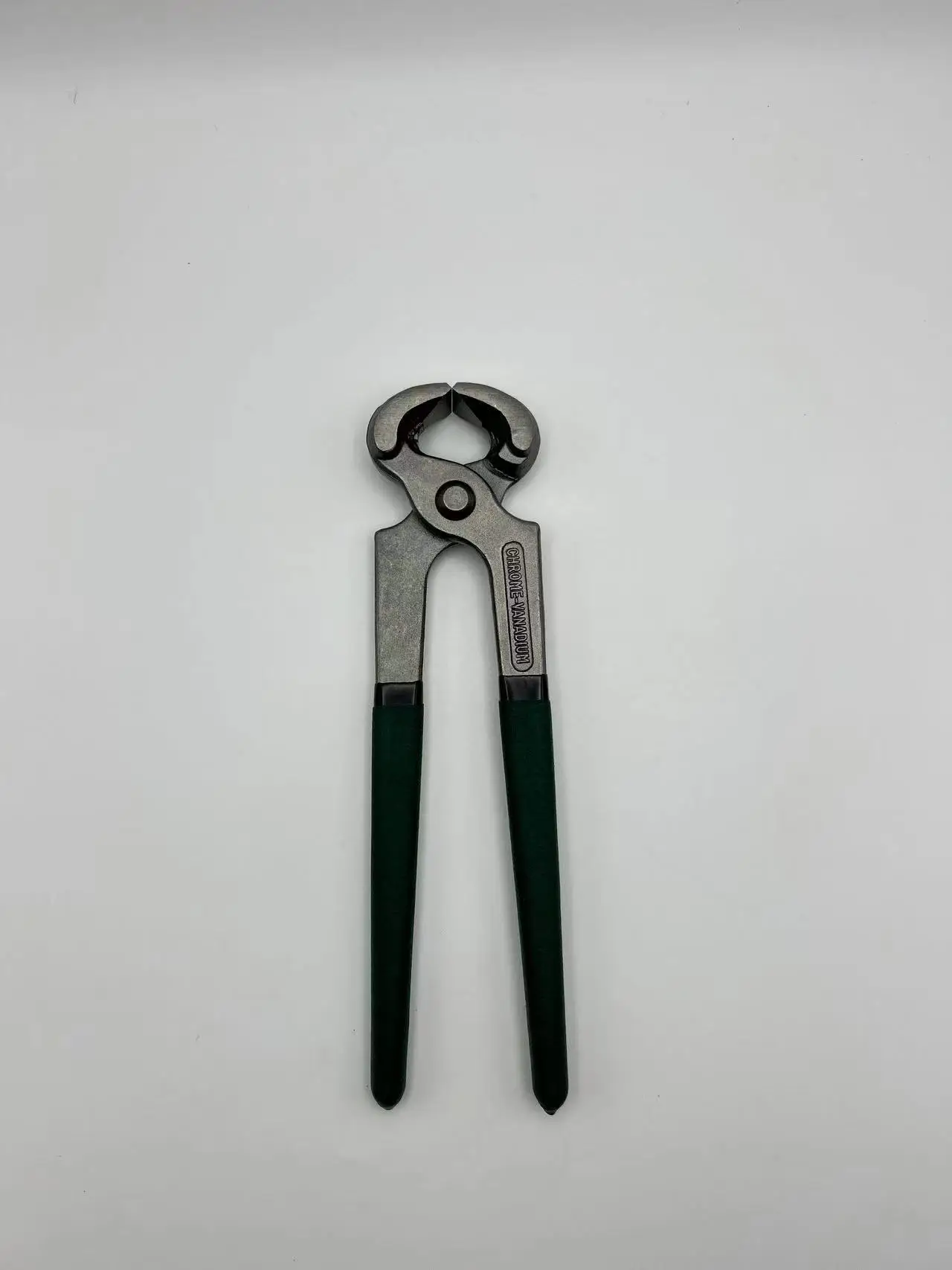
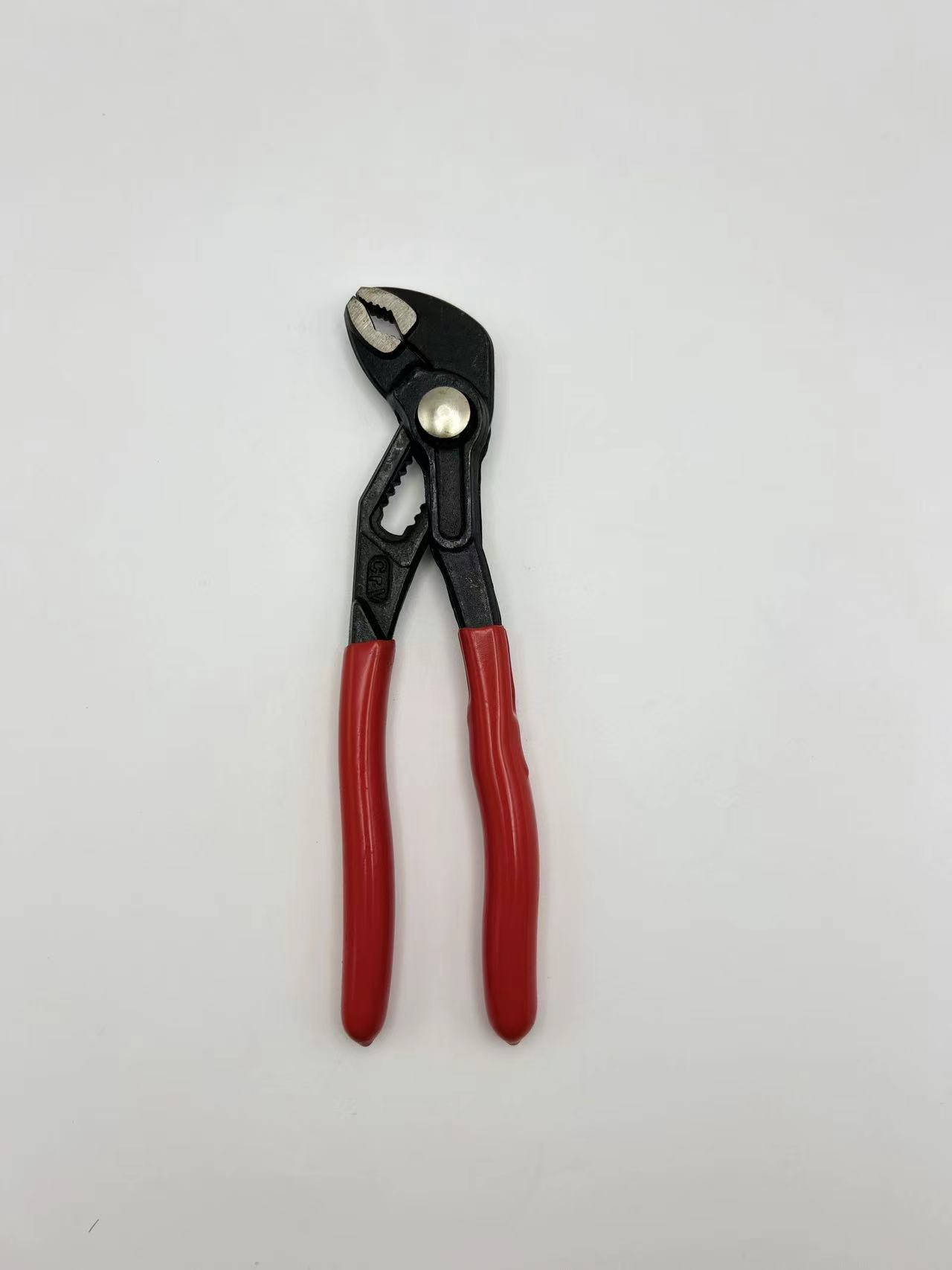
The export of hand tools is a sophisticated global business that requires a deep understanding of international standards, logistics, market regulations, and diverse customer needs. A successful export-oriented manufacturer must navigate complexities such as compliance with international quality and safety certifications (like ISO, GS, or ANSI), adapting products to meet regional specifications, and managing efficient supply chains. The core of a strong export business lies in offering a product range that combines robust quality, competitive pricing, and reliable service. For international distributors and wholesalers, consistency in product performance and on-time delivery is as important as the initial cost. Tools must be packaged and documented correctly for customs clearance in different countries. An export-focused company often maintains a versatile product line—from pliers and wrenches to hammers and screwdrivers—catering to various market segments, from professional industrial suppliers in Europe to large retail chains in North America. Building long-term partnerships with overseas clients involves providing comprehensive support, including detailed product catalogs, technical data sheets in multiple languages, and flexible order quantities. The ability to understand and anticipate the needs of markets with different climatic conditions, trade practices, and end-user preferences is key. Whether fulfilling container-load orders for a regional distributor or tailored assortments for a specialized importer, a professional hand tools export operation is built on trust, quality, and seamless execution. For specific inquiries regarding export terms, certifications, or market-specific product lines, we encourage you to get in touch with our export department directly.